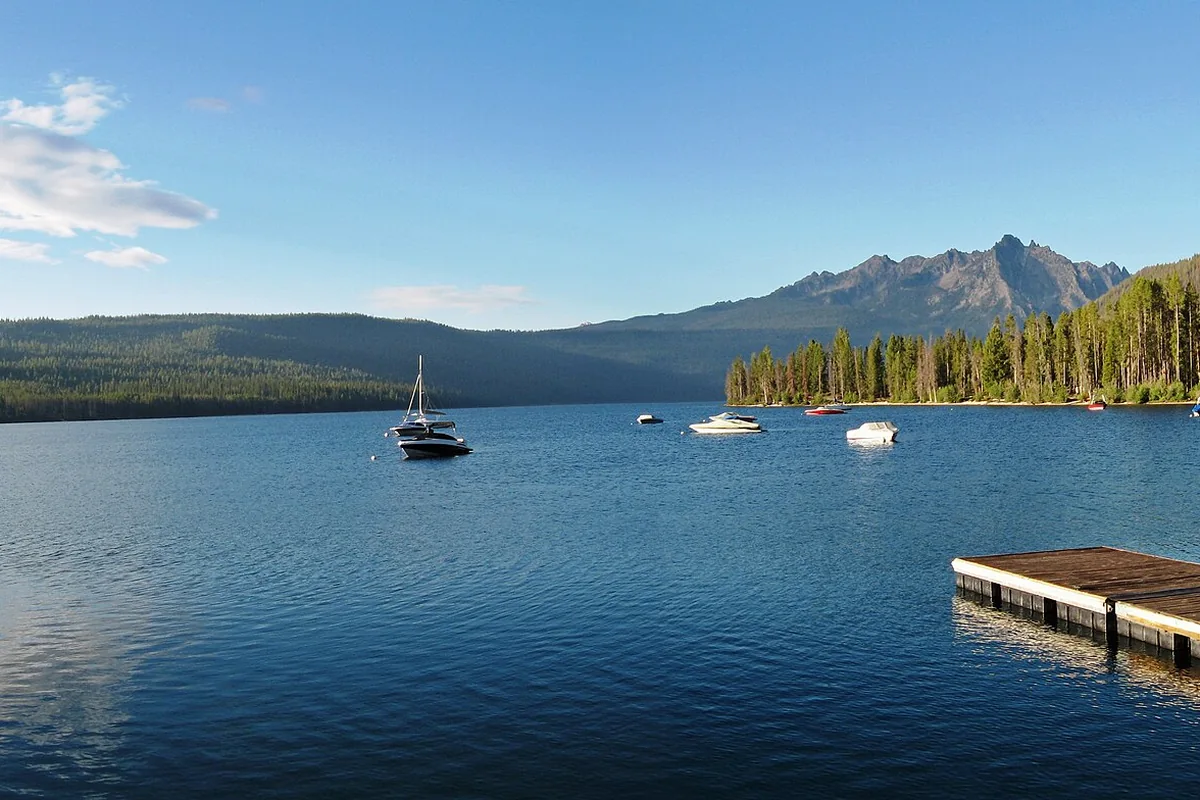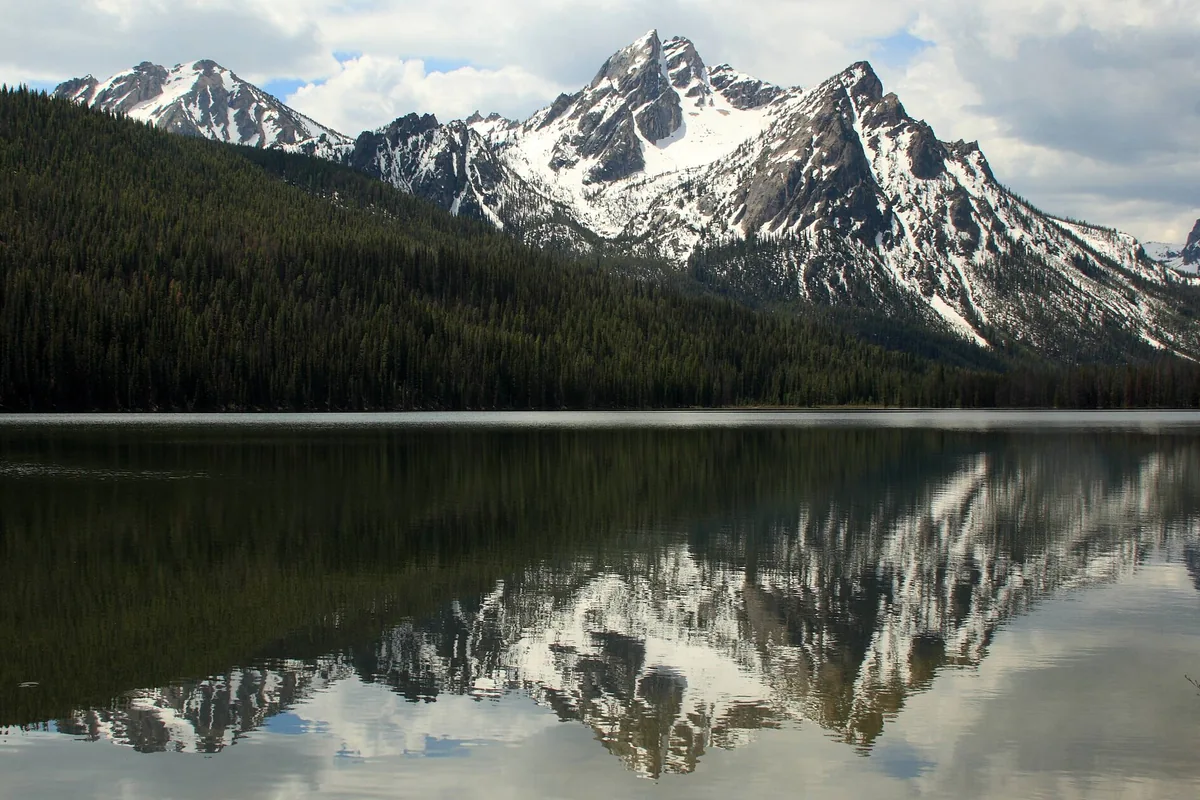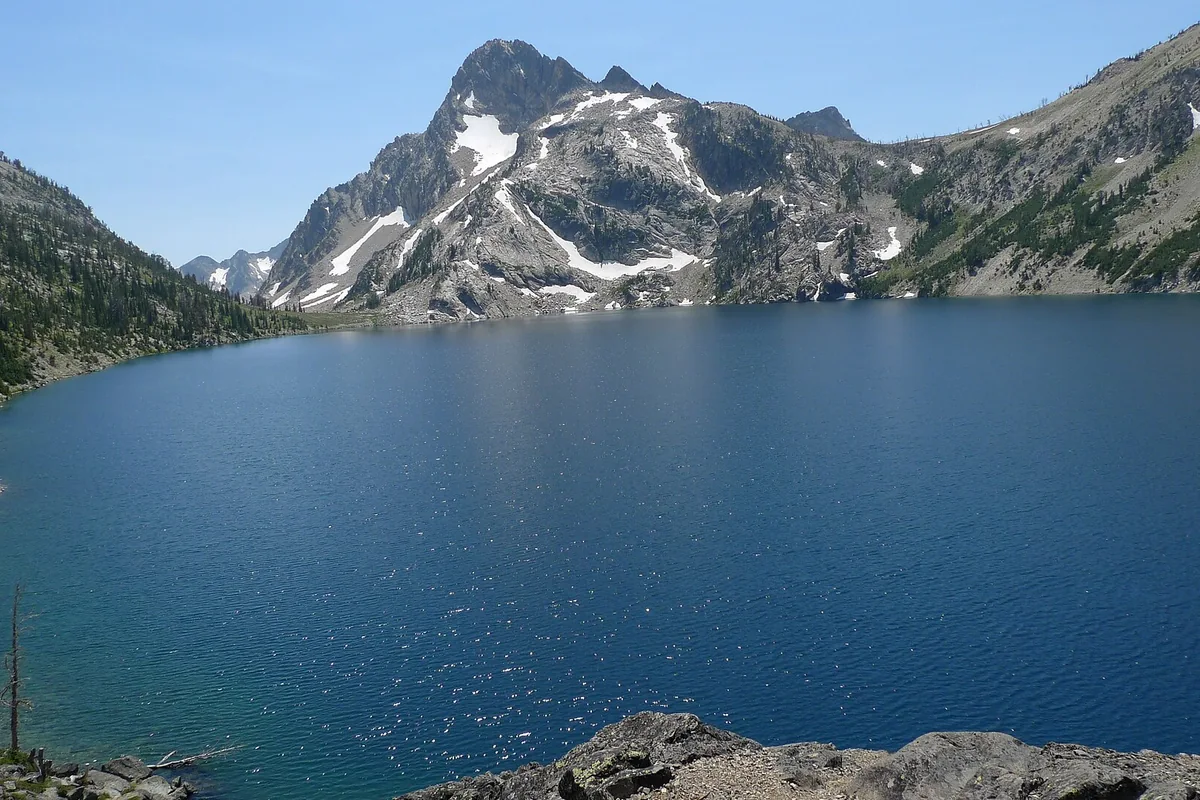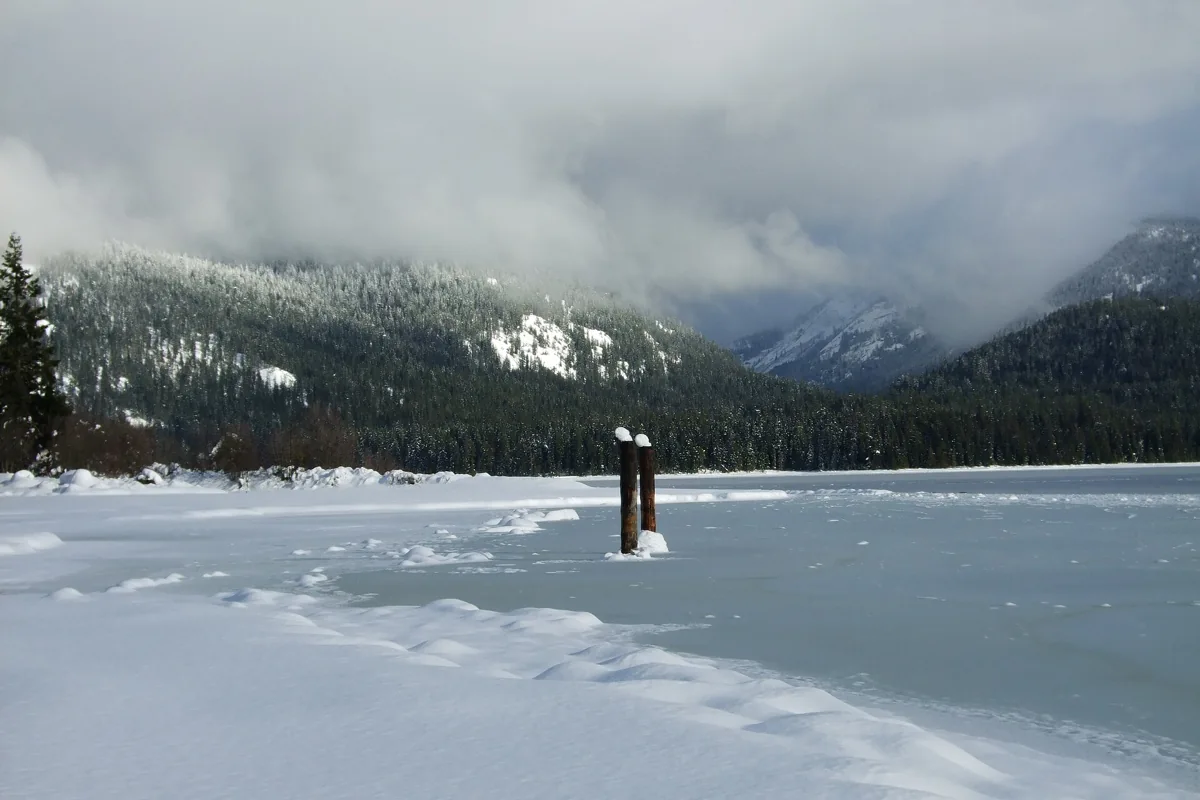
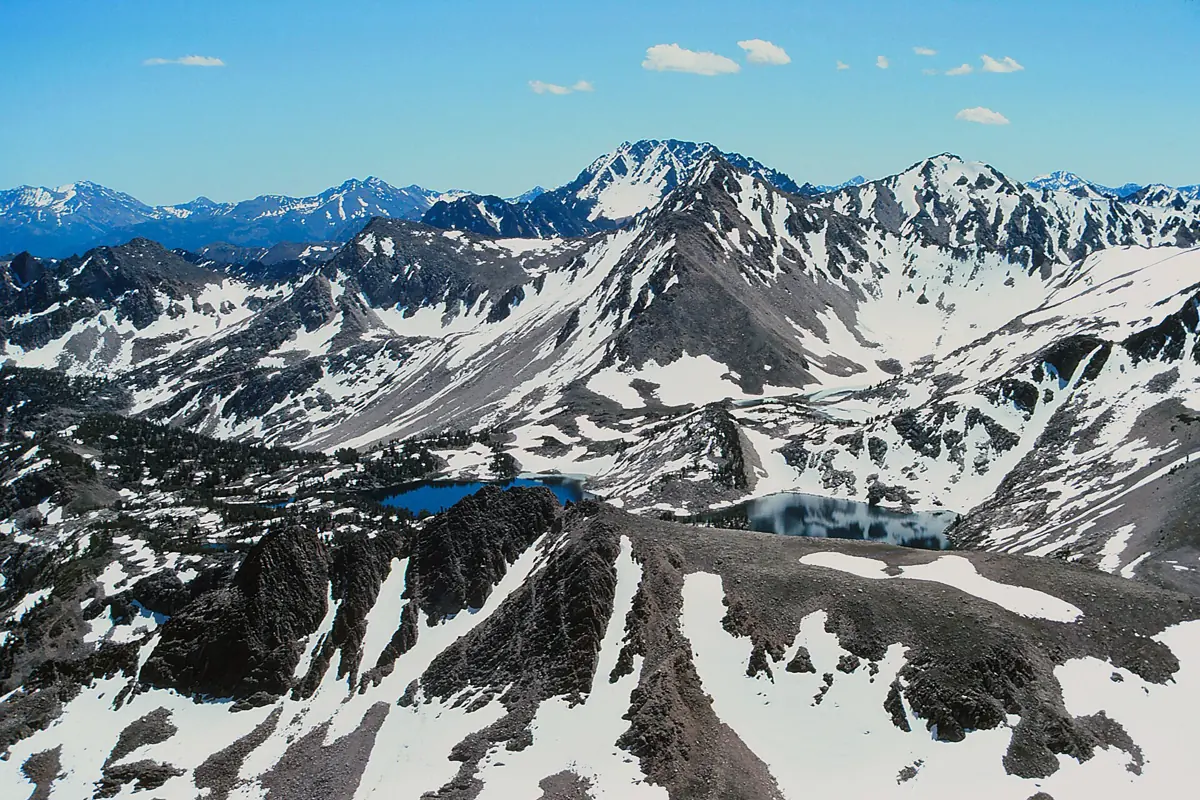
Sawtooth National Recreation Area is a 756,000-acre mountain recreation area managed by the Forest Service within Sawtooth National Forest. It is a destination for lake visits, scenic drives, hiking, camping and wilderness trips, not a national park with one entrance gate or a single sightseeing loop.
Start by choosing a base and one part of the area to explore. The Idaho parks and public lands hub puts its designation in context, while Stanley and Ketchum offer different town bases. Driving between a town and a mountain trailhead is part of the itinerary, not incidental time that can be ignored.
What is included in the recreation area?
The Forest Service identifies three wilderness areas within the national recreation area: Sawtooth Wilderness, Cecil D. Andrus–White Clouds Wilderness and Hemingway–Boulders Wilderness. The recreation area also includes developed lake complexes and road-accessible recreation sites. Those settings have different access, rules and expectations.
A lakefront picnic and a wilderness backpacking trip therefore require different preparation even if both appear under the same destination name. The designation does not imply identical camping rules or amenities everywhere. Use the Forest Service page for the specific site or wilderness you intend to enter, rather than transferring a rule from one trailhead to another.
If you are comparing Idaho public-land destinations, read the separate guides to Frank Church Wilderness and Craters of the Moon. Decide which destination fits your activity and preparation; a page grouped under “parks” is not necessarily a national park or a place with the same facilities.
Which lake area should you choose?
Redfish Lake
The Forest Service visitor guide describes Redfish Lake as a major recreation center, with beaches, campgrounds, a visitor center, picnic areas and access to trails. That concentration of facilities makes it a useful first area to investigate, but it does not mean each service operates year-round.
Our Redfish Lake guide helps separate a lakeshore visit from a longer trail outing. If you want a boat service, overnight accommodation or another concession activity, confirm that provider’s current season and reservation arrangements. Do not build a hike around a boat connection without verifying that it will run.
Stanley Lake and the Highway 21 area
The Forest Service identifies Stanley Lake and the Highway 21 corridor as another recreation complex. Consider this area when you want to structure a visit around Stanley and its surrounding mountain scenery rather than trying to see every lake in a single day. Use the Stanley Lake guide as a separate planning step.
Alturas, Pettit and the Wood River corridor
Alturas Lake, Pettit Lake and the Wood River complex are also listed in the official recreation-area overview. Choose among them according to the activity and current access, not just the visual similarity of blue lakes on a map. Each trailhead or developed site can have its own facilities, restrictions and seasonal limitations.
Hiking in Sawtooth National Forest
For route selection, begin with the Sawtooth hiking guide, then investigate the individual trail. Fishhook Creek, Sawtooth Lake and Alice Lake are different outings, not interchangeable entries on a list. Choose a destination that fits the group’s experience and the day’s conditions.
Confirm snow cover, stream crossings, closures and any permit requirements through the Forest Service before departure. Carry a map and a way to navigate without cell service. Tell someone your intended route and turnaround plan. A photograph of an accessible summer trail says little about what that route will be like earlier in the season.
Wilderness trips need additional care. Check the rules for the specific wilderness and activity, including any group, camping, stock or pet restrictions. This guide does not provide one blanket dog policy because that would obscure the differences between developed recreation sites and wilderness routes.
Camping and overnight planning
Decide first whether you need a developed campground or are prepared for a backcountry trip. A developed site can have a reservation process and a defined operating season; a wilderness campsite is not a substitute when a campground is full. Check the current Forest Service listing for the actual campground, then follow its linked booking instructions.
Do not assume a site has drinking water, trash collection or other services outside its operating season. Plan food storage and waste disposal before arriving, and comply with current fire restrictions even if an existing fire ring is present. Pack out waste and avoid creating new roadside campsites because a desired spot is occupied.
When should you visit?
Pick the season around the activity. A roadside view can be possible under conditions that make an alpine hike unsuitable. Conversely, a warm afternoon in Stanley does not establish that a high pass or shaded trail is snow-free. Consult current site information instead of assigning one universal opening date to the entire recreation area.
Summer and fall plans should remain flexible for weather, smoke and closures. For a trip coming through the Wood River Valley, our Sun Valley climate guide provides background, but use a forecast for the specific lake or mountain route. Different basins and elevations should not be treated as one weather station.
A realistic first visit
Choose one lake area for the morning, add a walk appropriate to the group and keep time for a scenic stop or a meal in your base town. On a second day, explore a different complex or attempt a properly researched trail. This creates a more useful introduction than racing between multiple trailheads with no time to leave the parking area.
- Read the current Forest Service recreation-area overview and alerts.
- Choose the specific lake, campground or trail page that applies to your plan.
- Verify reservations, access and restrictions without relying on an old trip report.
- Carry water, layers, food and navigation appropriate to the day.
- Use established sites and leave natural and cultural features undisturbed.
The Sawtooth National Recreation Area rewards a focused itinerary. Treat its developed lakeshores, working roads and wilderness interiors as distinct places with distinct responsibilities, and the planning becomes clearer.
Questions before you go
Is Sawtooth National Recreation Area a national park?
No. It is a Forest Service-managed national recreation area within Sawtooth National Forest, with developed recreation complexes and designated wilderness areas.
Where should a first-time visitor start?
Choose one recreation complex, such as Redfish Lake or Stanley Lake, and verify that site’s current access and services. Avoid trying to combine every lake and a major hike in one day.