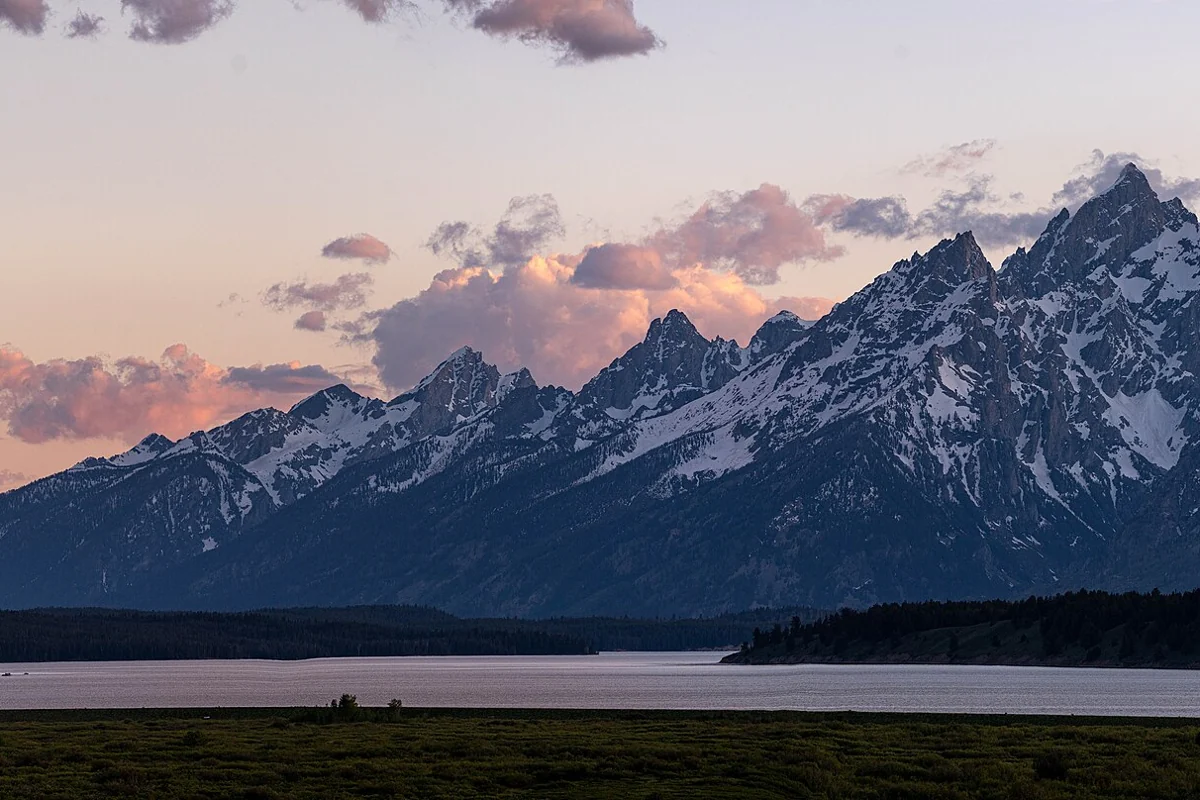
A Yellowstone Idaho trip usually means staying in eastern Idaho and entering Yellowstone National Park through the West Entrance in Montana. Only 1% of the park lies in Idaho, according to the National Park Service. Choose your Idaho base for the whole vacation, then budget separately for reaching the gate and driving inside the park.
This is an Idaho-gateway planning guide, not a promise that Yellowstone is a quick stop from anywhere in the state. Start with our Idaho parks guide to decide how much of your itinerary belongs in Yellowstone and how much belongs closer to your overnight base.
Which Yellowstone entrance works from Idaho?
The West Entrance is the practical starting point to investigate for an Island Park-based visit. It leads toward Madison Junction, where your route divides toward the Old Faithful area or Norris. The entrance itself is outside Idaho. Keep that distinction clear when booking lodging: an Idaho address, a West Yellowstone address and a room inside the national park represent different daily drives.
If you are combining Yellowstone with the Tetons, compare that plan with our Grand Teton from Idaho guide. Entering one park does not automatically cover the other's entrance fee. NPS specifically notes that Yellowstone and Grand Teton charge separately; check its current pass guidance before choosing a pass.
Island Park, Idaho Falls or Driggs?
| Idaho base | Why consider it? | What to plan carefully |
|---|---|---|
| Island Park | A Yellowstone-focused stay with eastern Idaho scenery on non-park days | The exact property location and the full drive to your first park stop |
| Idaho Falls | A city stop within a broader eastern Idaho road trip | A substantial approach drive before entering the park |
| Driggs | A Teton Valley stay with Yellowstone as one part of the trip | Whether your chosen route and park roads are open |
Use the Island Park guide to plan your gateway days, or build a longer itinerary around things to do in Idaho Falls. From Driggs, avoid treating Yellowstone and Grand Teton as interchangeable day trips. Pick the park you most want to see and map the actual route before committing to consecutive reservations.
There is no single useful drive time from a spread-out Idaho destination to “Yellowstone.” Enter your accommodation, the intended entrance and your first attraction as separate points. No fixed Idaho Falls, Island Park or Driggs approach times are quoted here because they were not verified in the official sources used for this guide. A navigation estimate is a starting point, not an allowance for entrance queues or wildlife delays.
How long does the drive take once you enter?
NPS lists an average of 30 minutes from the West Entrance to Madison Junction and another 35–45 minutes from Madison to Old Faithful. Together that is about 65–75 minutes of driving from the gate, before stops or delays. The return journey still has to happen, along with the drive back to your Idaho accommodation.
For a different direction, NPS lists 30 minutes between Madison and Norris and 30 minutes between Norris and Canyon Village. These are road-segment averages, not suggested sightseeing schedules. Thermal walks, meals, parking and roadside wildlife can stretch a seemingly modest route into a full day. Use the official NPS drive-time table rather than adding attractions solely by map distance.
A realistic first Yellowstone day from Idaho
Choose one main area rather than trying to complete every famous stop. For an Old Faithful-focused day, make the West Entrance and Madison your approach, leave time for the thermal features you actually want to walk, and turn back while everyone still has energy for the return drive. Save Canyon or the northern reaches for another day if they would turn the outing into a continuous car journey.
Pack food and water, download official maps and identify a shorter version of the day before departure. A second day outside the park can include Harriman State Park or Mesa Falls, subject to their own seasonal access. Alternating a long park day with an Idaho day reduces repeated gate-to-attraction driving.
Seasonal roads can change the entire plan
Most Yellowstone roads close to regular vehicles in winter. NPS identifies the North Entrance route through the park toward Cooke City as the road generally open year-round, not the West Entrance approach. Winter oversnow travel is a different kind of trip and needs its own arrangements.
Check the NPS road-status page when choosing dates and again immediately before travel. A bookable room in Idaho does not mean your chosen park road is open. Spring and fall travelers should keep an alternative itinerary rather than relying on last year's opening date.
Pets and final checks
Yellowstone is a difficult sightseeing destination with a dog. NPS prohibits pets on trails, boardwalks, in thermal areas and in the backcountry, including carried pets. Where pets are permitted in developed areas, they must remain controlled and meet leash rules. Arrange a plan that does not leave an animal unattended while your group explores.
Before leaving Idaho, confirm road status, entrance passes, weather, fuel and the return route. Protect time for the park experience itself; the strongest gateway itinerary is the one with room to stop, not the longest list of map pins.
Questions before you go
Is Yellowstone in Idaho?
Partly. NPS says 1% of the park is in Idaho, 3% in Montana and the rest in Wyoming. The West Entrance used by many Idaho visitors is in Montana.
Can you drive from Island Park into Yellowstone in winter?
Do not plan on ordinary vehicle access through the West Entrance in winter. Most park roads close to regular vehicles; check NPS for seasonal oversnow options.
Is the West Entrance the same as the Idaho border?
No. The entrance is at West Yellowstone, Montana. Driving from an Idaho base includes an approach outside the national park.