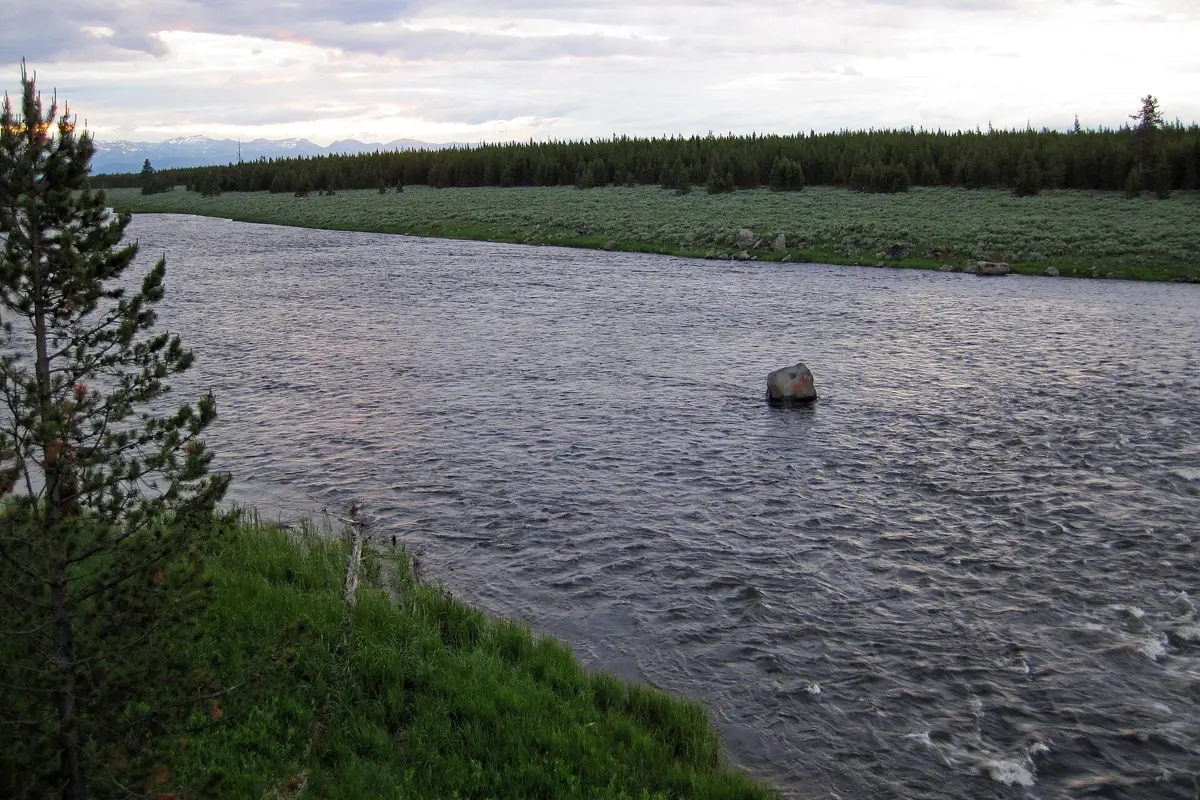
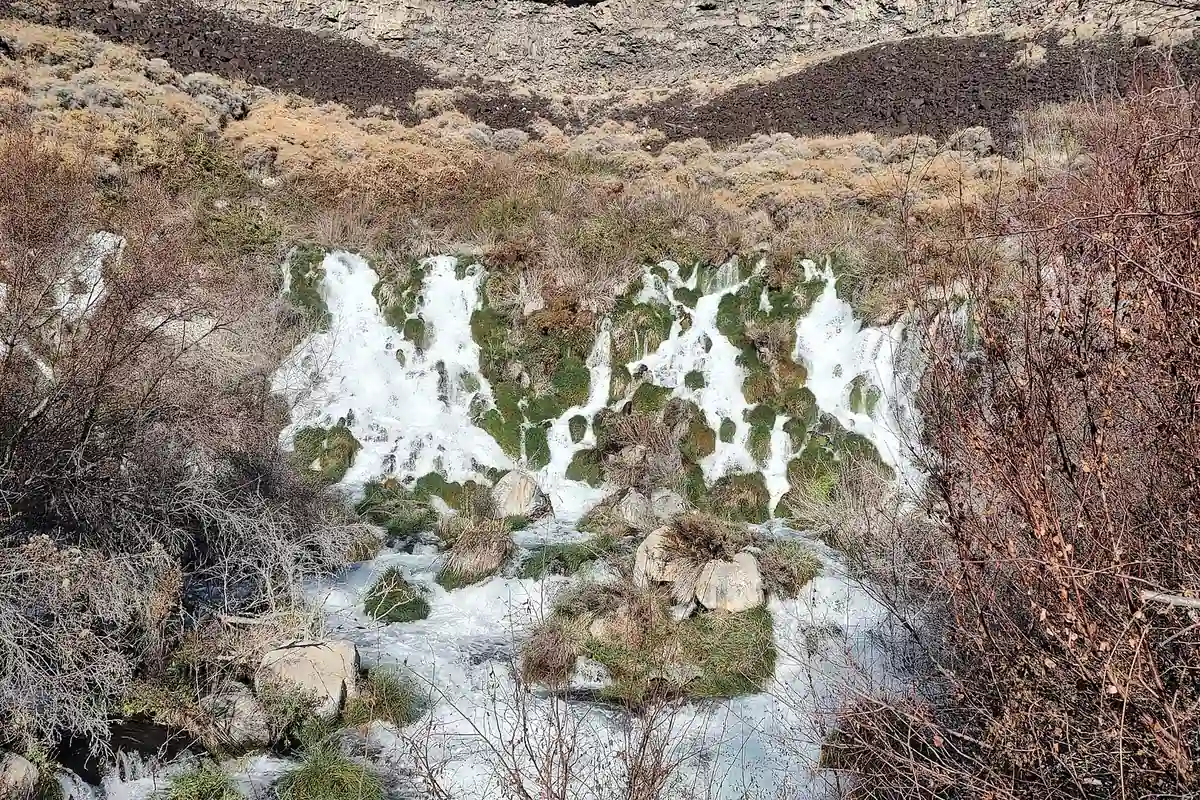
Thousand Springs State Park is a collection of six units around Idaho's Hagerman Valley, with canyon viewpoints, spring-fed water, historic farm buildings and camping. It is not a single entrance followed by one loop road. For a first visit, choose two or three units that match your interests and check each one's access status with Idaho Parks before driving.
Start with the official park page and its maps. For context, our Idaho parks guide and state parks overview explain how this multi-unit park fits into a larger trip.
How the park is organized
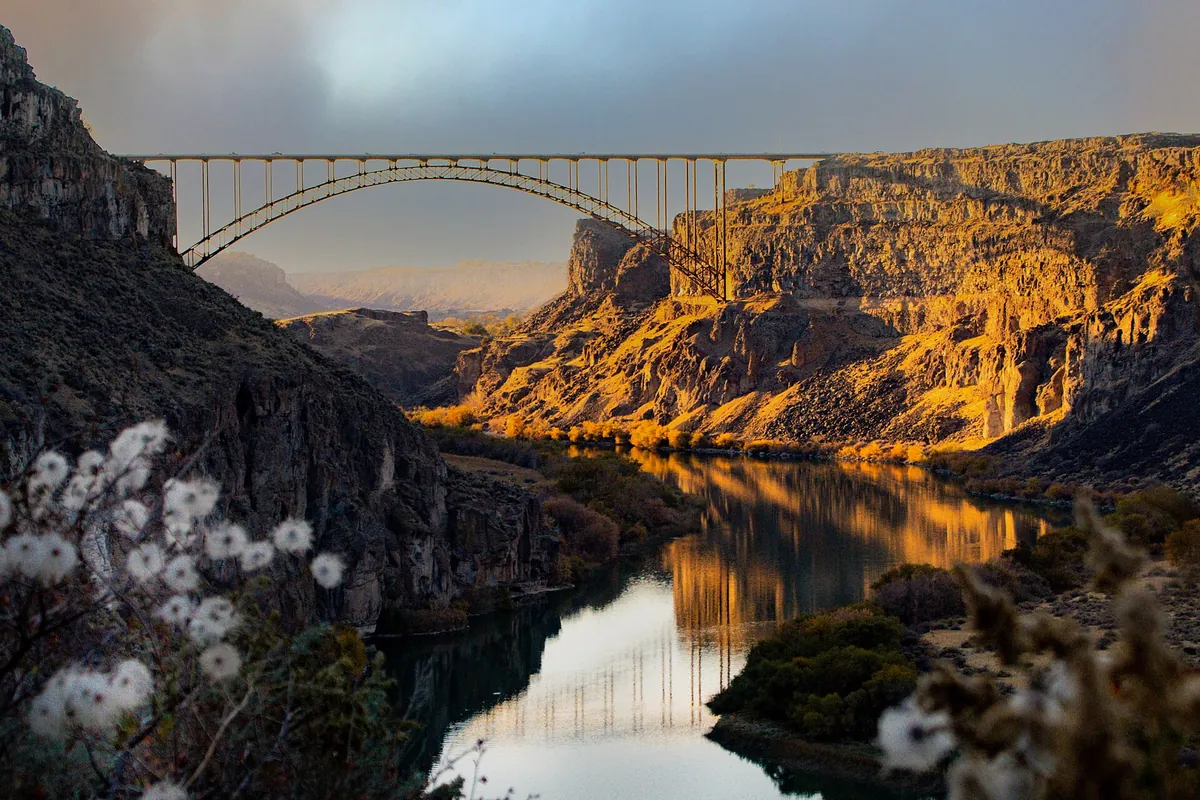
Idaho Parks identifies Malad Gorge, Kelton Trail, Billingsley Creek, Box Canyon Springs Nature Preserve, Ritter Island and Niagara Springs as the park's six units. These places share a park identity but offer different experiences. A pin labeled “Thousand Springs” is not enough to navigate a whole day's outing: save the access point for each unit you intend to visit.
The official geology guide explains that the springs are where water from the Eastern Snake River Plain aquifer reaches the surface. Some emerge from canyon walls; others form clear pools. That variety is the reason to visit more than one unit rather than look for a single definitive waterfall.
Which units should you visit?
Malad Gorge for canyon scenery
Malad Gorge is a good starting choice for travelers who want a canyon stop. The official brochure places its access near Interstate 84's Exit 147 and describes hiking, picnicking and interpretive opportunities. Choose it for dramatic landforms and a focused visit rather than assuming it is the entrance to every other park attraction.
Keep children close around viewpoints and respect all barriers. A short walk near a canyon edge still calls for attentive footing, especially in wind or winter conditions. Access to one gate or road can change without meaning the entire unit is unavailable.
Box Canyon for spring-fed scenery
The Earl M. Hardy Box Canyon Springs Nature Preserve has spring views, a primitive hiking trail and a waterfall, according to Idaho Parks. Decide whether your party wants a viewpoint visit or a more involved walk before leaving the car. Looking at a pool from above is not the same activity as descending into canyon terrain.
Carry water, wear shoes with traction and use the park's map for route selection. This guide deliberately does not attach a generic mileage or difficulty label to every Box Canyon outing: your chosen route and the day's footing matter. Do not enter closed areas to obtain a closer waterfall photograph.
Ritter Island for agricultural history
Ritter Island combines wildlife viewing with historic agricultural structures associated with Minnie Miller's dairy farm. This is the unit to consider when someone in the group would rather explore a human story alongside the scenery. Idaho Parks also lists rental houses here, separate from campground accommodation.
Seasonal access is important. The official page currently carries a seasonal closure notice for Ritter Island, so do not build a winter itinerary around entering it. Recheck the park bulletin for your actual travel date rather than relying on summer photographs or an old event listing.
Niagara Springs, Billingsley Creek and Kelton Trail
Niagara Springs offers the spectacle of spring water emerging into the Snake River Canyon. The official brochure also describes fishing facilities at Crystal Lake. Check road and gate access before descending toward the unit; seasonal vehicle access is not identical to walk-in access.
Billingsley Creek is the practical orientation stop, with the shared Thousand Springs State Park and Hagerman Fossil Beds visitor center, wildlife viewing and a campground. Kelton Trail is a different kind of stop, preserving a transportation-history landscape associated with the old route between Boise and the railhead at Kelton, Utah.
A flexible first-visit itinerary
For a canyon-focused day, begin at Malad Gorge and add Box Canyon only if weather, daylight and your group's walking ability support it. For a slower history-and-water day, orient at Billingsley Creek, then add Ritter Island when open or Niagara Springs when access allows. These are thematic suggestions, not a promise that every road will be open.
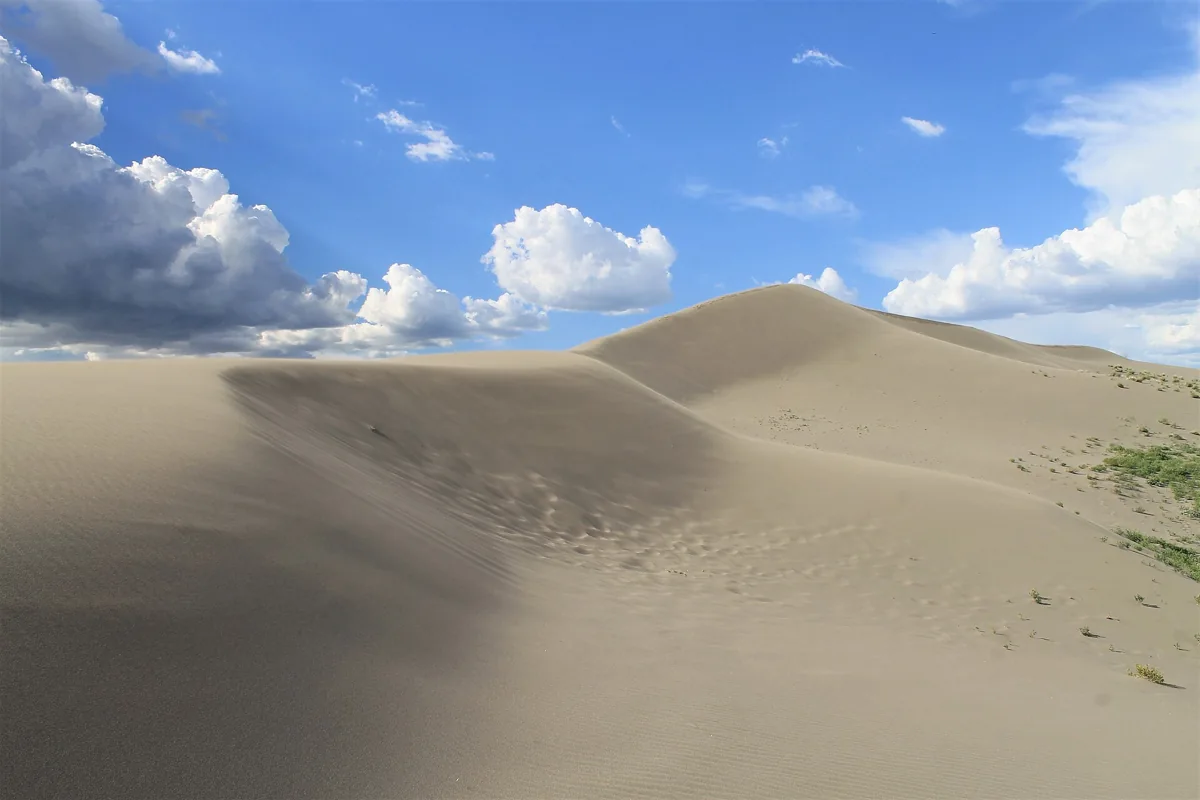
The shared visitor center makes Hagerman Fossil Beds National Monument a natural companion visit, but the monument has its own visitor guidance. If you are extending the road trip, compare a separate stop at Bruneau Dunes State Park rather than trying to squeeze every southern Idaho park into one day.
Camping, fees and seasonal checks
Idaho Parks lists a full-hookup campground at Billingsley Creek and rental homes at Ritter Island. Use its reservation links for the accommodation you actually want; a campsite booking is not a rental-house booking. Verify current fees and availability directly instead of assuming one admission or reservation covers every activity.
Before leaving, check unit-specific bulletins, download the park map, pack drinking water and leave extra daylight for connecting roads. In winter, a closed vehicle gate may coexist with permitted walk-in access, but only the park's current guidance can tell you where. That final check is more useful than a single park-wide opening-hours claim.
Questions before you go
Is Thousand Springs State Park one waterfall?
No. Idaho Parks describes six separate units with springs, canyons, history and recreation. Choose specific units and use their individual access information.
Can you camp at Thousand Springs State Park?
Idaho Parks lists the Billingsley Creek campground and separately reservable rental houses on Ritter Island. Check current availability and seasonal access through the official park page.