About Idaho Uncovered: this is an independently owned travel guide to Idaho, rebuilt under new ownership with a statewide focus. The guide covers hot springs, hiking, parks, skiing and towns, with practical planning information and links to the public agencies and businesses responsible for each destination.
The site’s name and some familiar article addresses remain, but the editorial approach is new. Articles are written for the current guide, not presented as the previous owners’ experiences. The byline “Idaho Uncovered editors” identifies the site’s editorial voice; it does not imply a named guide, professional qualification or firsthand visit.
A statewide guide, built around real trip decisions
Idaho is too varied for one standard vacation itinerary. A family choosing a lift-served ski hill needs different information from a hiker comparing trailheads or a traveler deciding which town makes the most useful overnight stop. Our goal is to help readers make those decisions before they commit a day, a reservation or a long drive.
Browse the travel articles for trip ideas, or start with the Idaho town guides to choose a base. Use the skiing guide to compare mountains, the parks guide to understand protected places and the hiking guide to narrow a walk by the kind of outing you want. The hot springs guide separates destinations that can otherwise be easy to confuse by name.
How information is researched
Primary sources come first. For national parks, that means the National Park Service. For national forest trails, it means the Forest Service; for state parks, Idaho Parks and Recreation. Resort statistics come from the resort, and a restaurant’s own website is the preferred starting point for identifying its location and current business.
Reputable geographic references can help confirm place names and map coordinates. Tourism organizations provide useful regional context. Each destination article includes its sources so readers can examine the underlying information rather than rely on an unsupported recommendation. A source list is part of the guide’s usefulness, not a substitute for checking a time-sensitive detail.
We leave out details that cannot be verified. That includes specific admission prices, opening hours, dog restrictions and road conditions when a reliable source is unavailable. “Check current fees” means exactly that: the managing agency or operator has the information needed for a final booking decision.
What an updated date does and does not mean
An updated date identifies an editorial revision. It is not a live conditions report, a guarantee that a business will be open when you arrive or evidence that an editor visited that day. Snow, wildfire, maintenance, staffing and weather can change access after a page is written.
Use the official links before leaving home, then check again when the trip involves an exposed trail, a seasonal road or a creek crossing. For highway travel, consult Idaho 511. For responsible travel principles and local context, Visit Idaho’s Travel With Care guidance is a useful companion to destination planning.
Photography and illustrations
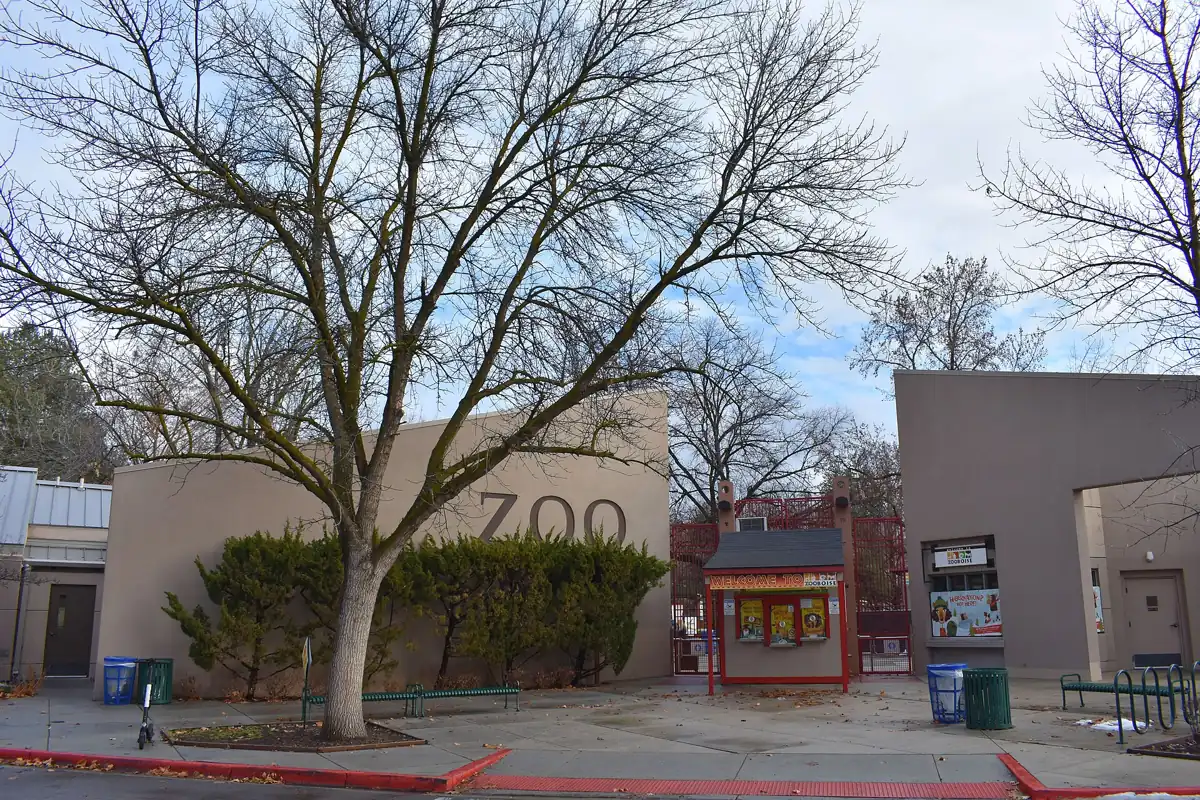
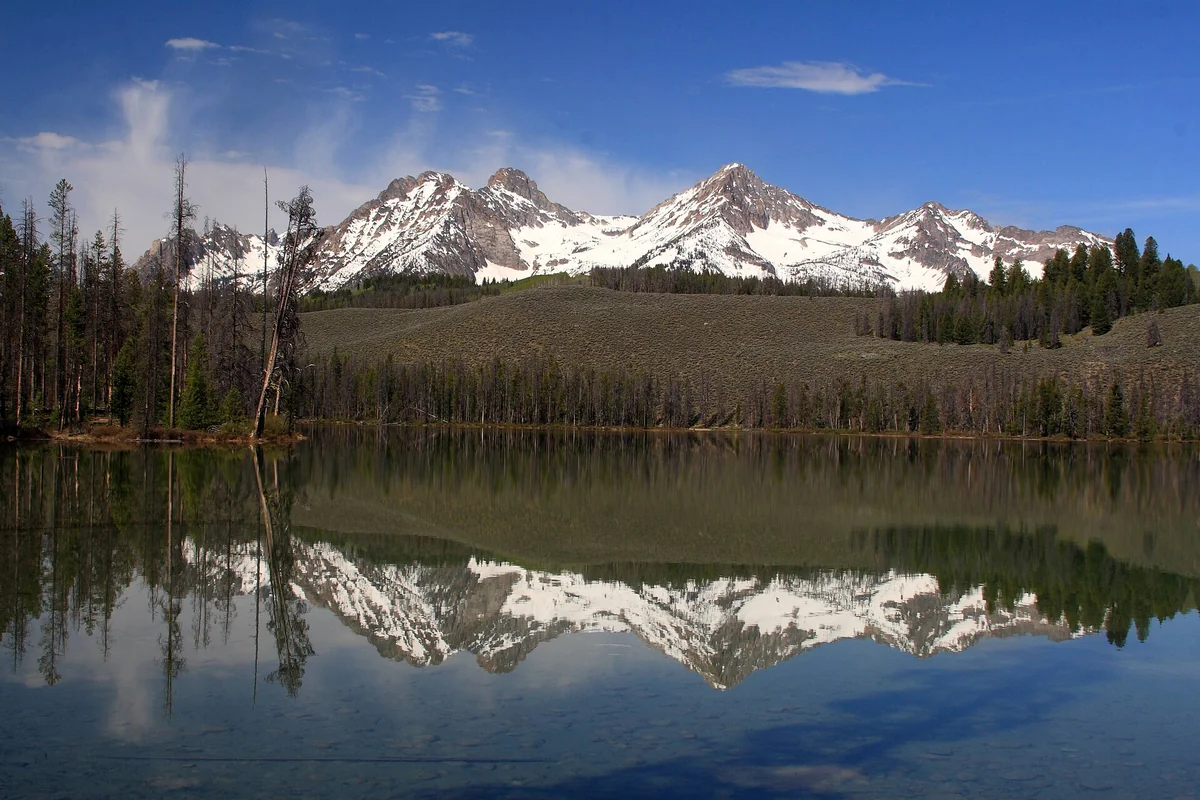
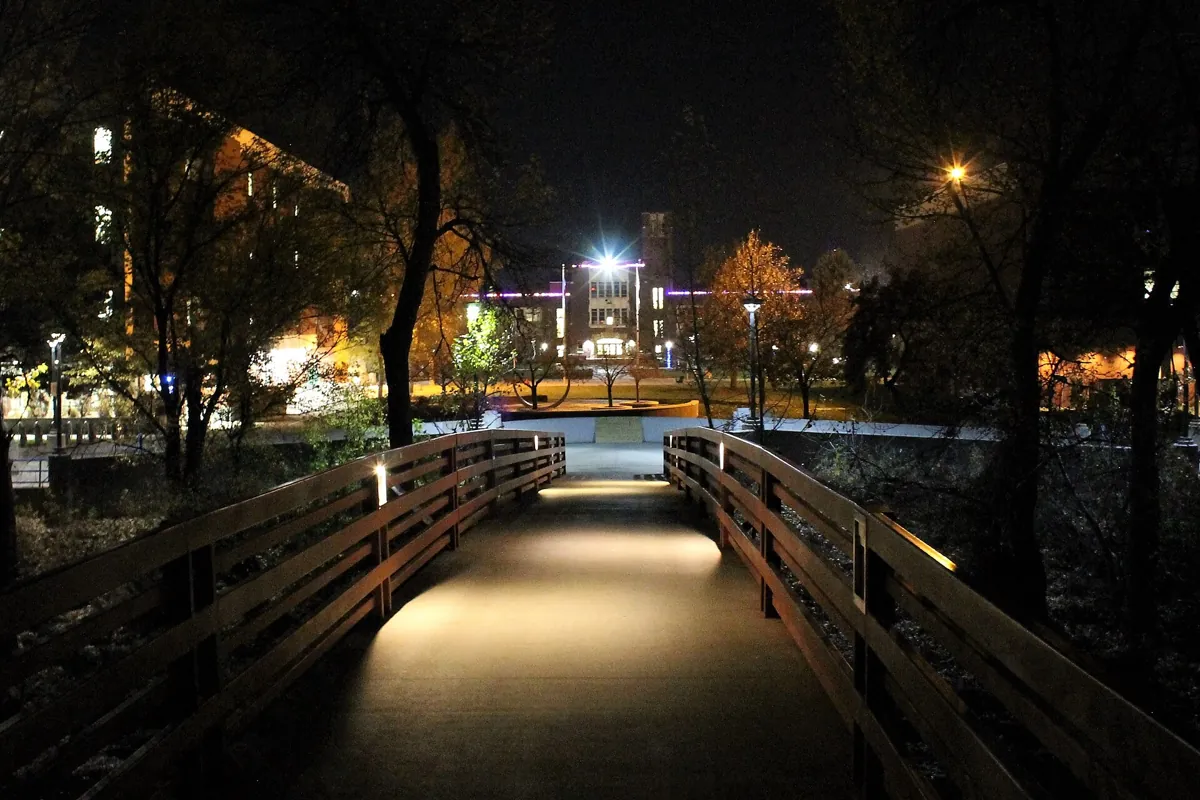
Real destination photographs are selected with attention to location and licensing. Captions and image credits identify the source and license where applicable. A photograph illustrates a place; it does not establish today’s snow cover, water level, traffic or trail condition.
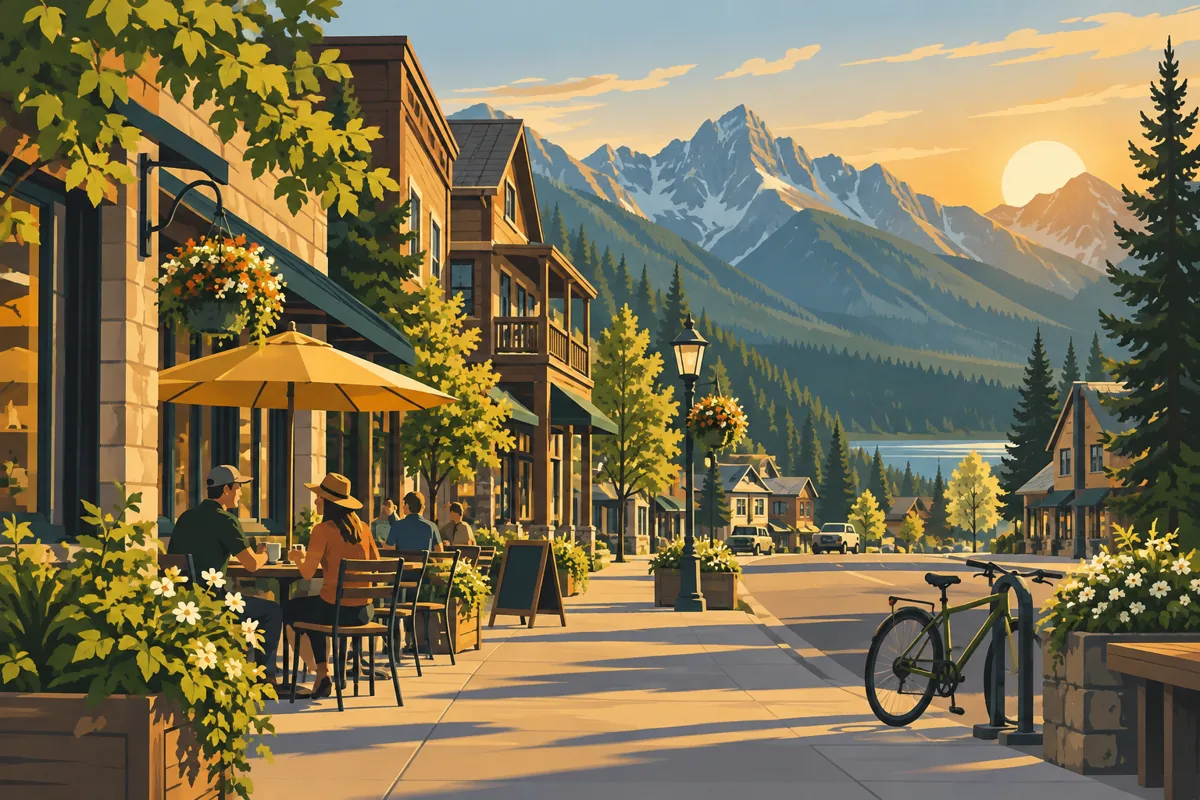
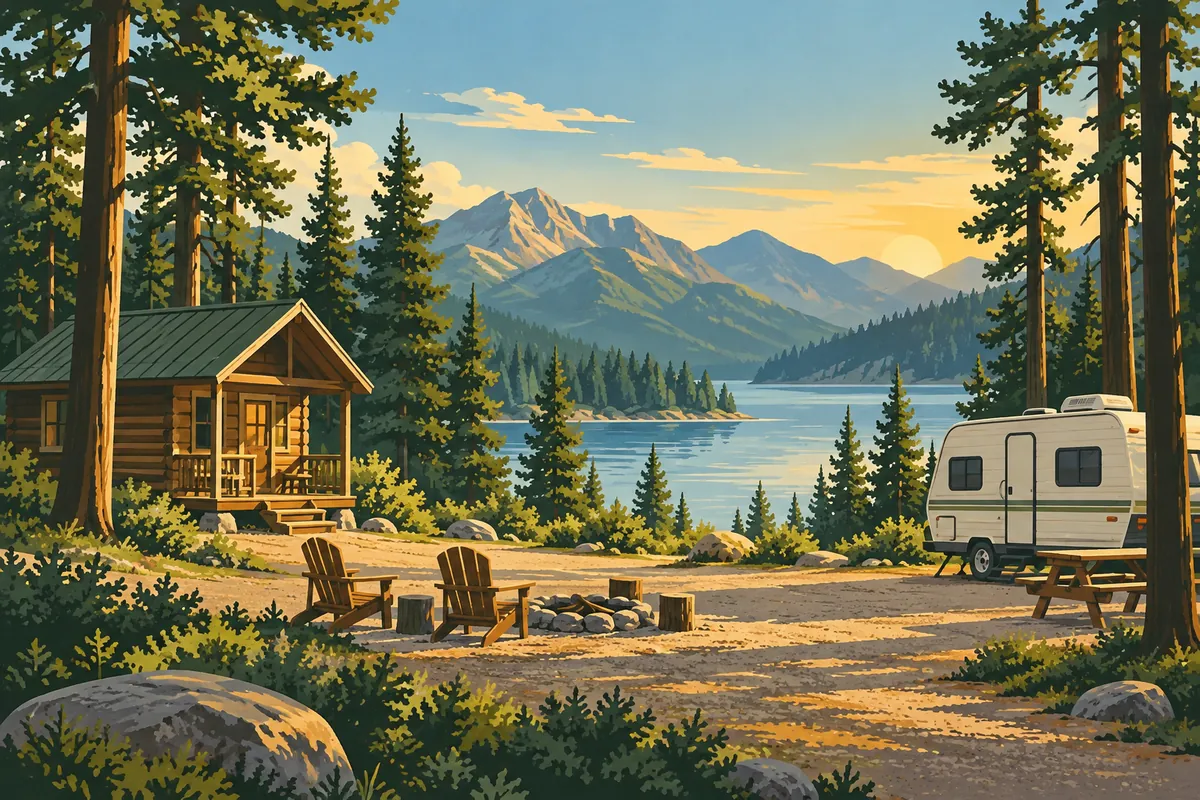
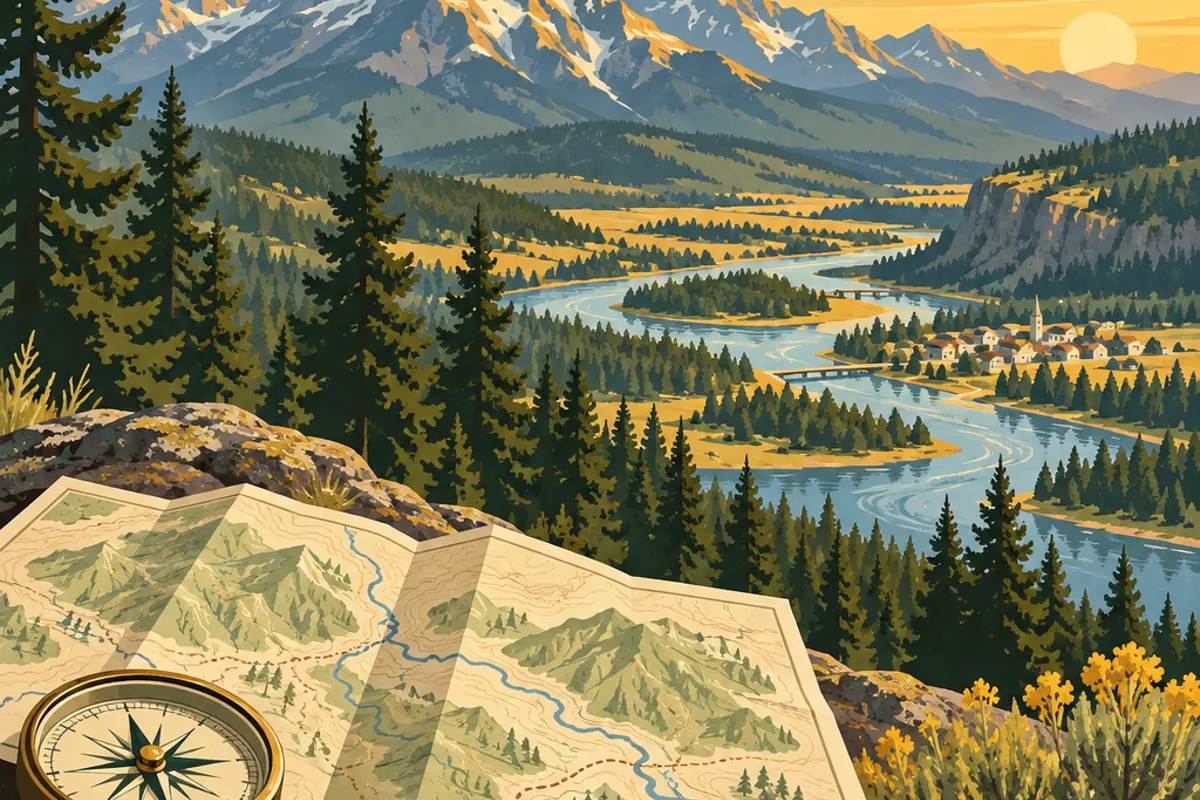
Some pages use clearly identified illustrations, including this one. These are editorial artwork, not documentary photographs. An illustration may evoke Idaho’s landscapes without depicting an exact viewpoint. It should never be used to infer the shape of a trail, the arrangement of pools or whether a particular route is safe.
Commercial relationships and recommendations
The guide may include designated spaces for lodging, dining, gear or tour partners. A placeholder is not an endorsement and does not mean that a business has paid for a listing. Commercial links and placements should be identified separately from ordinary editorial links so readers can tell the difference.
We do not invent star ratings, review counts, personal testing stories or professional credentials. A destination’s appearance in a guide means it is relevant to that trip-planning question, not that every reader should visit. Where choices differ, the useful comparison is practical: access, location, season, facilities and the type of experience offered.
Travel with care and keep the final decision yours
Public land is shared space, and a useful travel guide should help protect it. Stay on designated routes where required, respect closures, pack out waste and give other visitors and wildlife room. On private property, follow the owner’s access rules rather than assuming a map pin grants permission to enter.
Read the destination guide, inspect its sources and choose an outing that fits the least experienced person in your party. Keep an alternative plan for a closure or a change in weather. Idaho Uncovered is a starting point for informed travel, while current official instructions and conditions should guide the final decision.