Hagerman Fossil Beds National Monument is a place to see fossil exhibits and understand an ancient Idaho landscape, not a place to dig for fossils. Begin at the Thousand Springs Visitor Center on U.S. Highway 30, then drive separately to the monument's scenic overlooks on Bell Rapids Road. The fossil beds themselves are not open to public access.
That distinction is the most important part of planning a visit. A navigation search for the monument can send you toward the outdoor grounds when you actually want the exhibit building. Among the destinations in our Idaho parks guide, Hagerman rewards travelers who allow time for both an indoor explanation and an outdoor look at the landscape.
Where should you go first?
The Thousand Springs Visitor Center is at 17970 U.S. Highway 30, Hagerman, about a mile north of downtown. It serves both Hagerman Fossil Beds National Monument and Thousand Springs State Park. Enter the street address rather than relying on a general park-name search, and check the official visitor center page before arrival.
The visitor center is not on the monument's outdoor grounds. NPS warns that outdated signs and navigation data can still cause confusion. The map pin on this guide is a general monument reference, not a replacement for the visitor center address. Stay on the signed highway approach; the exhibit building is not reached by a remote unpaved shortcut.
Inside, look for fossil displays, maps, and information from staff. NPS also lists ranger talks, a water-bottle filling station, and restrooms among visitor services. Hours vary, so make the indoor stop the part of your schedule you verify first, especially if seeing fossils is the main reason for your trip.
What fossils will you learn about?
Hagerman's fossils date to the Pliocene, roughly four to three million years ago. They tell a story of grasslands, woodlands, and wetlands associated with ancient Lake Idaho. That environment was very different from the dry slopes and agricultural land visible around the monument today.
The fossil story includes extinct horses, ground sloths, mastodons, and saber-toothed cats, alongside animals with more familiar modern relatives. These are not dinosaur beds. Use the exhibits to compare habitats and animal communities rather than expecting a dinosaur hall or an active excavation tour.
The visitor center is the only place visitors can see fossils at the monument. There is no public quarry tour or collecting area out on the grounds. If your group includes children hoping to uncover bones, explain that distinction before arrival so the visit starts with realistic expectations.
How do you reach the overlooks?
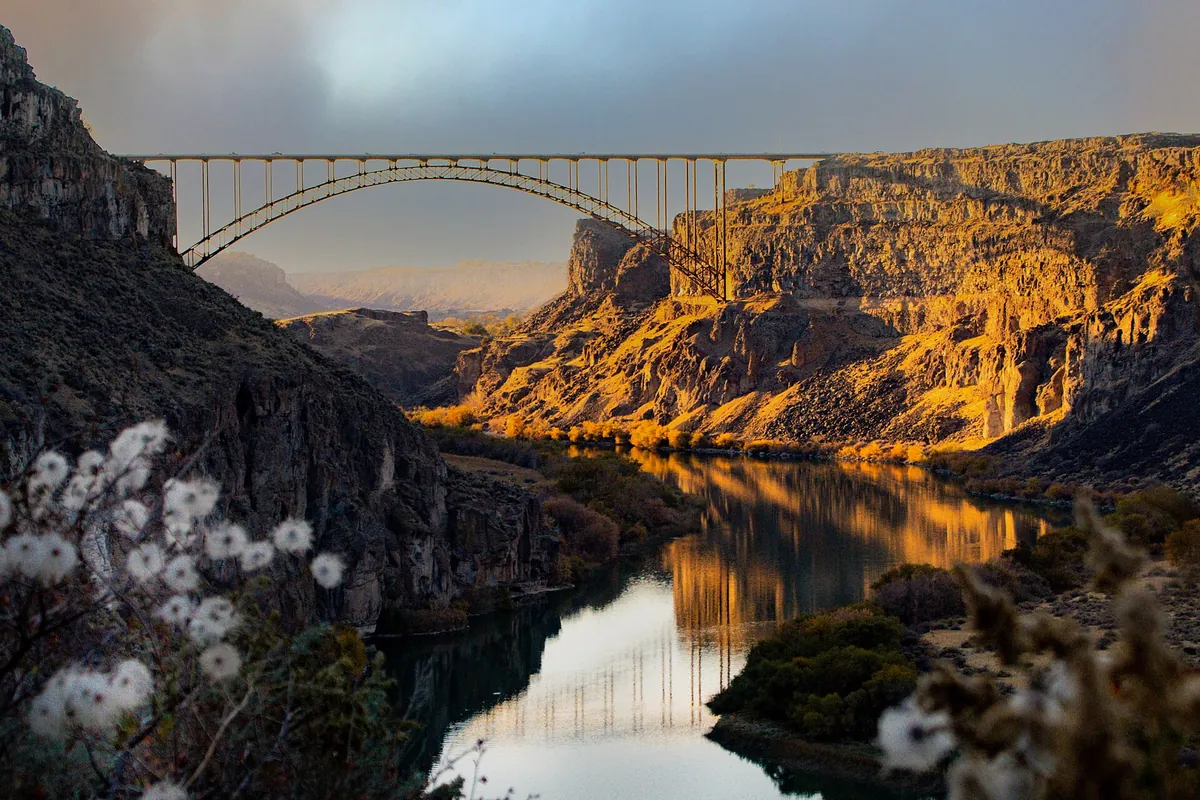
The outdoor overlooks and trails are on Bell Rapids Road, a separate drive of roughly nine miles from the visitor center. Follow NPS driving directions south through Hagerman and across the Snake River to the signed Bell Rapids Road turn. Allow time for this transfer rather than treating the overlooks as a path behind the exhibit building.
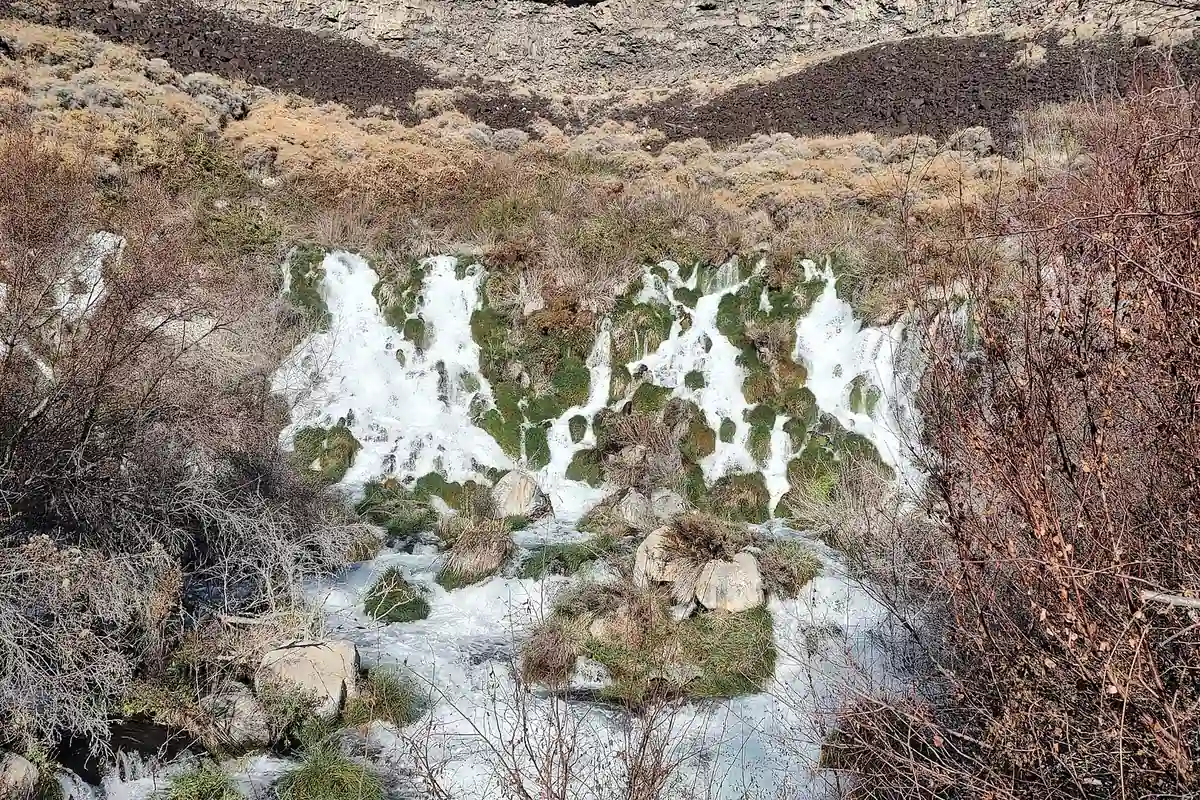
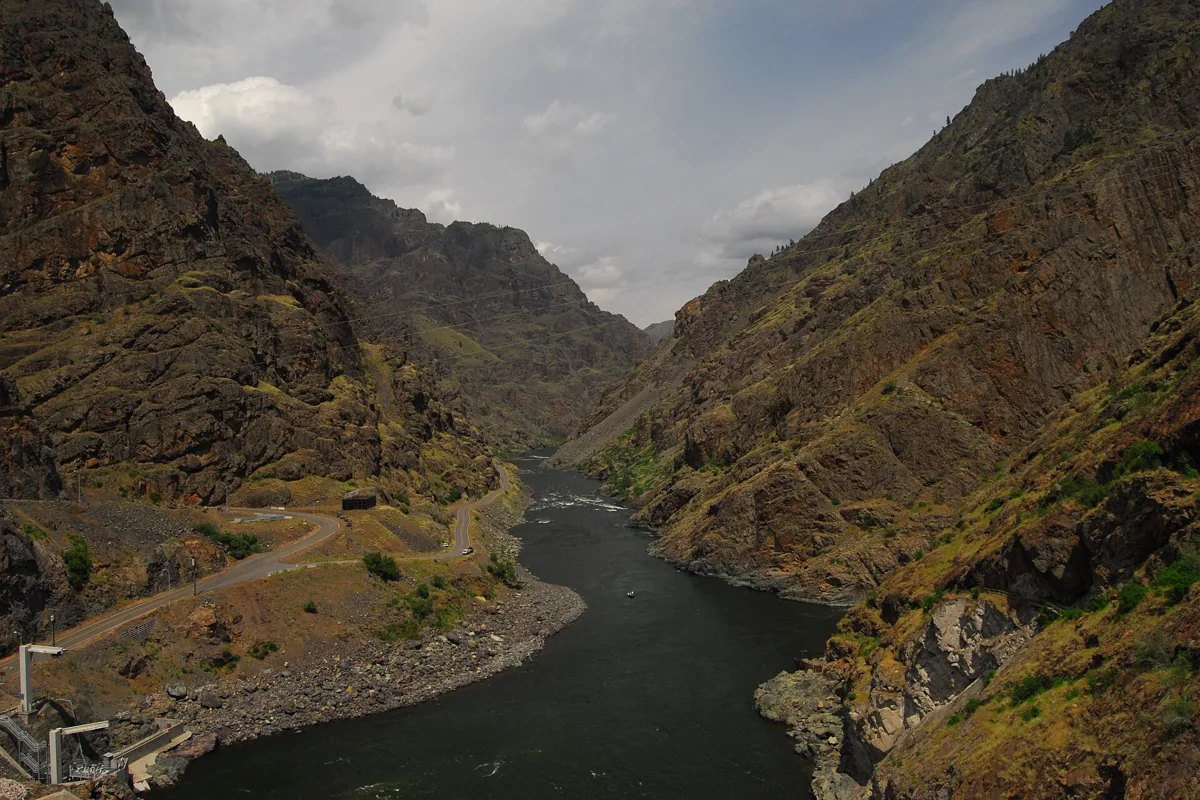
The two main stops are the Snake River Overlook and Oregon Trail Overlook. Wayside exhibits connect the river landscape with the monument's scientific and human history. NPS lists vault toilets and covered picnic shelters at both locations, making the overlooks useful pauses on a wider valley drive.
There are no additional public access areas farther along beyond the Oregon Trail Overlook. Do not continue onto unsigned land looking for an excavation, and do not descend toward the fossil beds. The actual deposits occupy hazardous terrain and are protected from public entry.
Should you hike between the overlooks?
The Emigrant Trail connects the overlook area, but it is not a shaded riverside stroll. NPS describes the connecting trail as three miles long with steep sections and no shade. If you intend to return on foot to the same parked vehicle, account for the return distance as well; do not treat the connecting mileage as a complete loop.
For many visitors, driving to both overlooks and taking shorter walks is the better plan. Summer heat, spring or fall wind, and exposed slopes can make even a modest outing uncomfortable. Carry water, use sun protection, and stay on designated trails where loose soils and drop-offs make wandering unsafe.
Travelers with mobility needs should ask staff about the current surfaces and access at each stop rather than assuming all outdoor routes resemble the visitor center's paved approach. For pets, check current NPS restrictions before planning a trail walk; different visitor areas have different limits.
Fees, collecting rules, and nearby trip ideas
NPS states that visiting Hagerman Fossil Beds and its exhibits is free. Nearby units of Thousand Springs State Park can have separate state-park fees, so the national monument's policy does not apply automatically to everything promoted at the shared visitor center.
Leave fossils, rocks, plants, and other natural objects where they are. If you notice a possible fossil, record the location and notify park staff rather than removing it. There is no camping or lodging inside the monument, according to NPS; plan overnight arrangements in a nearby community instead.
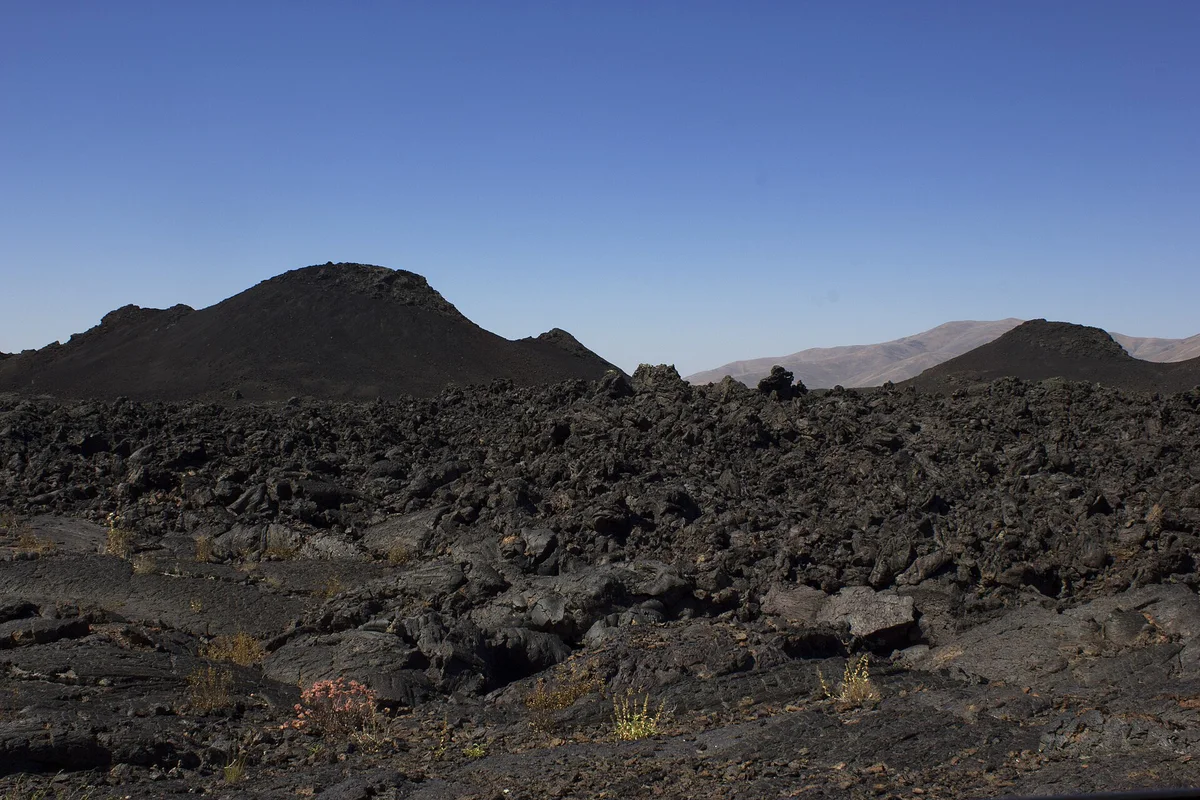
For a fuller day, compare the separate units in our Thousand Springs State Park guide. Twin Falls is another regional base to consider. Travelers building a longer Idaho itinerary can contrast Hagerman's ancient environments with the volcanic terrain of Craters of the Moon. Keep those as distinct destinations with their own driving time, rather than squeezing every landscape into one rushed stop.
Questions before you go
Can you dig for fossils at Hagerman?
No. Collecting is prohibited, and the fossil beds are not open to public access. Fossils are displayed at the Thousand Springs Visitor Center.
Are the visitor center and overlooks in the same place?
No. The visitor center is on U.S. Highway 30 north of Hagerman. The outdoor overlooks are a separate drive away on Bell Rapids Road.