Harriman State Park is an East Idaho park for walking beside the Henrys Fork, watching waterbirds and exploring the historic Railroad Ranch. Meadows, lakes and forest create several kinds of outing within one park, from a short interpretive stroll to a longer trail loop. Its wildlife-refuge setting also means restrictions matter: this is not a park where you can assume the usual dog-walking or camping arrangements apply.
Start with the official Harriman State Park page for current notices, fees, trail conditions and lodging reservations. Then choose one principal activity rather than treating every trail and historic building as mandatory. For a wider route through the region, use our Idaho parks guide and the nearby Island Park town guide.
Where Harriman State Park is
The park is in the Island Park area of eastern Idaho, with its official street address at 3489 Green Canyon Road. The park's own location information places it south of West Yellowstone. Use the address and the park's current directions for arrival, then consult the trail map for the appropriate starting point. A highway view of the landscape does not necessarily lead to the best trail access.
It helps to think of Harriman as its own destination rather than just a roadside stop on the way to Yellowstone. If a longer national-park trip is the goal, build a separate day plan with our Yellowstone from Idaho guide. Keep enough flexibility for weather, road conditions and the fact that a quiet wildlife outing cannot be scheduled to the minute.
Choose a trail by the experience you want
The official summer brochure identifies routes through the historic ranch, beside the river, around lakes and into forest. Choose from the current map rather than relying on a single total-mileage claim: park publications and seasonal notices describe different trail totals. The useful question is which loop suits your group and the day's conditions, not how much of the whole system you can cover.
John Muir Interpretive Loop
The park brochure describes the John Muir Interpretive Loop as an easy one-mile walk exploring Muir's connection to the Railroad Ranch and the park's ecosystems, wildlife and geology. This is a sensible starting option for visitors who want interpretation along with scenery. Allow time for the stops rather than judging the outing solely by its short distance.
Ranch Loop and River Trail
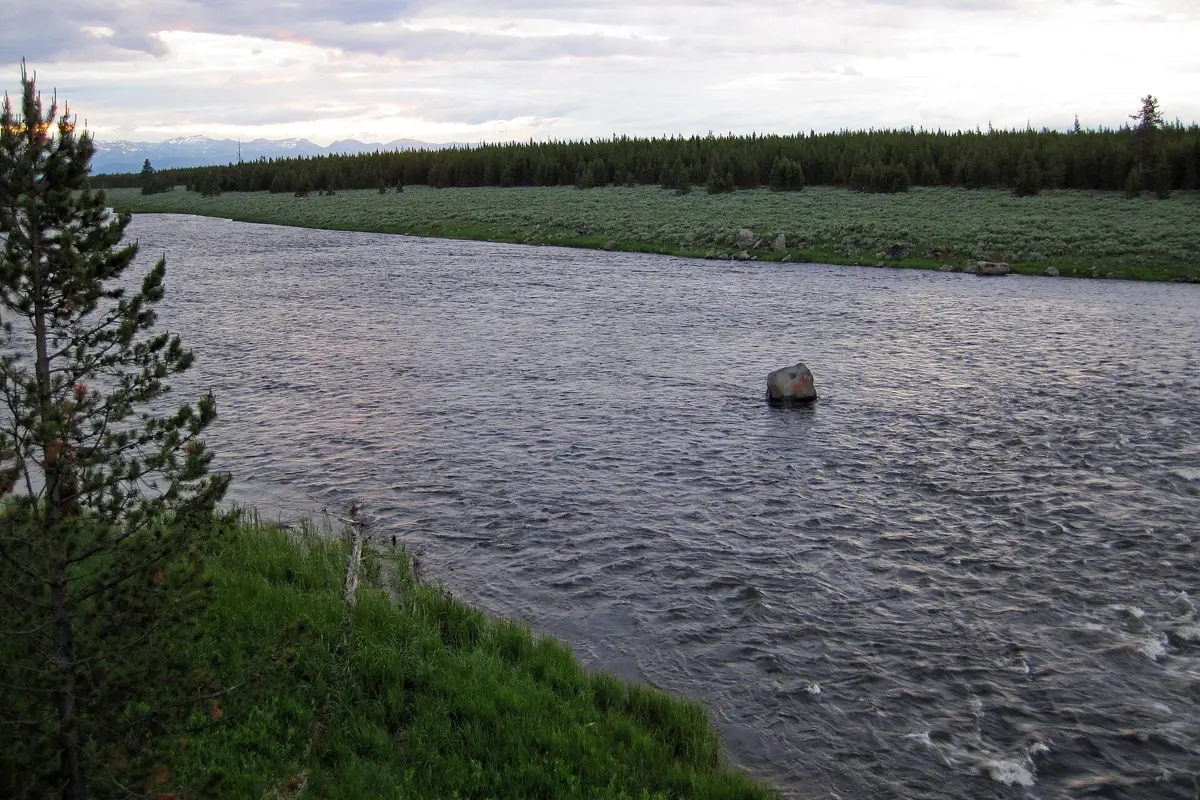
The Ranch Loop passes historic buildings before following the shoreline of Silver Lake. It suits visitors who want to combine the cultural landscape with a shorter wildlife-oriented walk. The River Trail follows the Henrys Fork and provides river access for anglers as well as views across the surrounding landscape. These routes offer a more focused introduction than automatically selecting the longest loop on the map.
Silver Lake, Golden Lake and the Ridge Trail
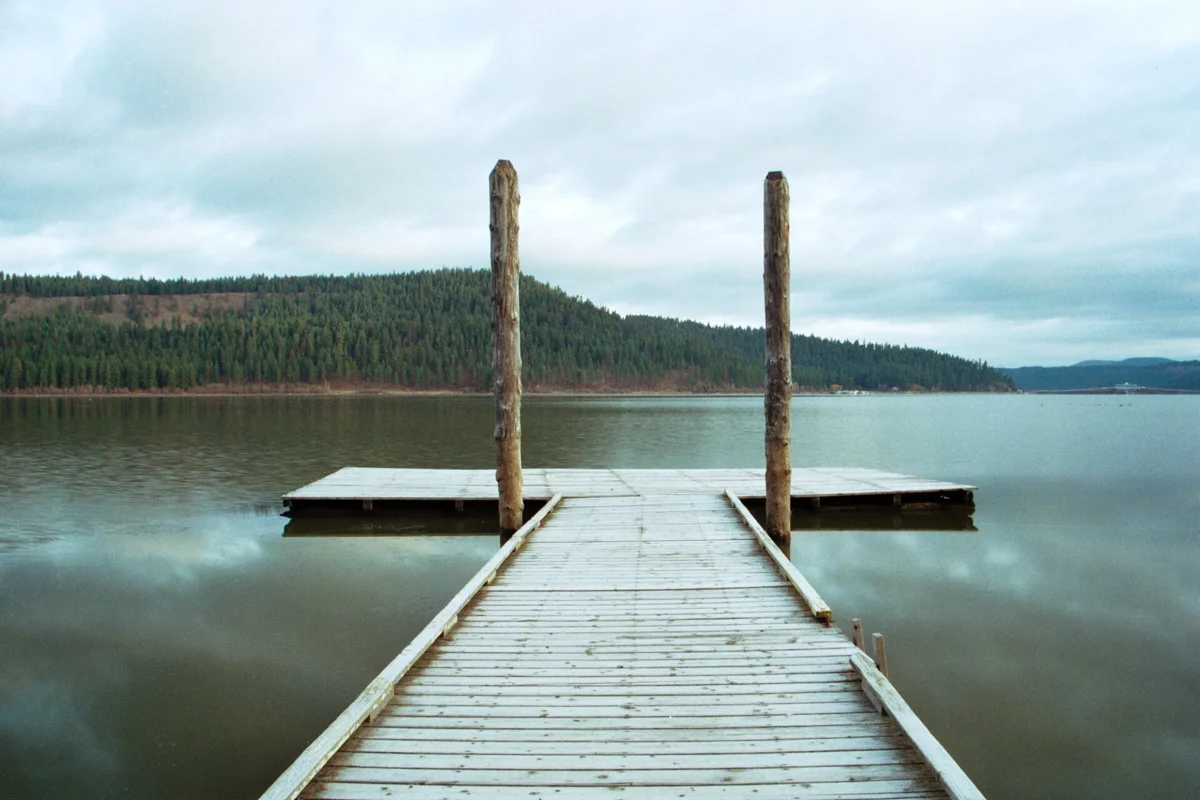
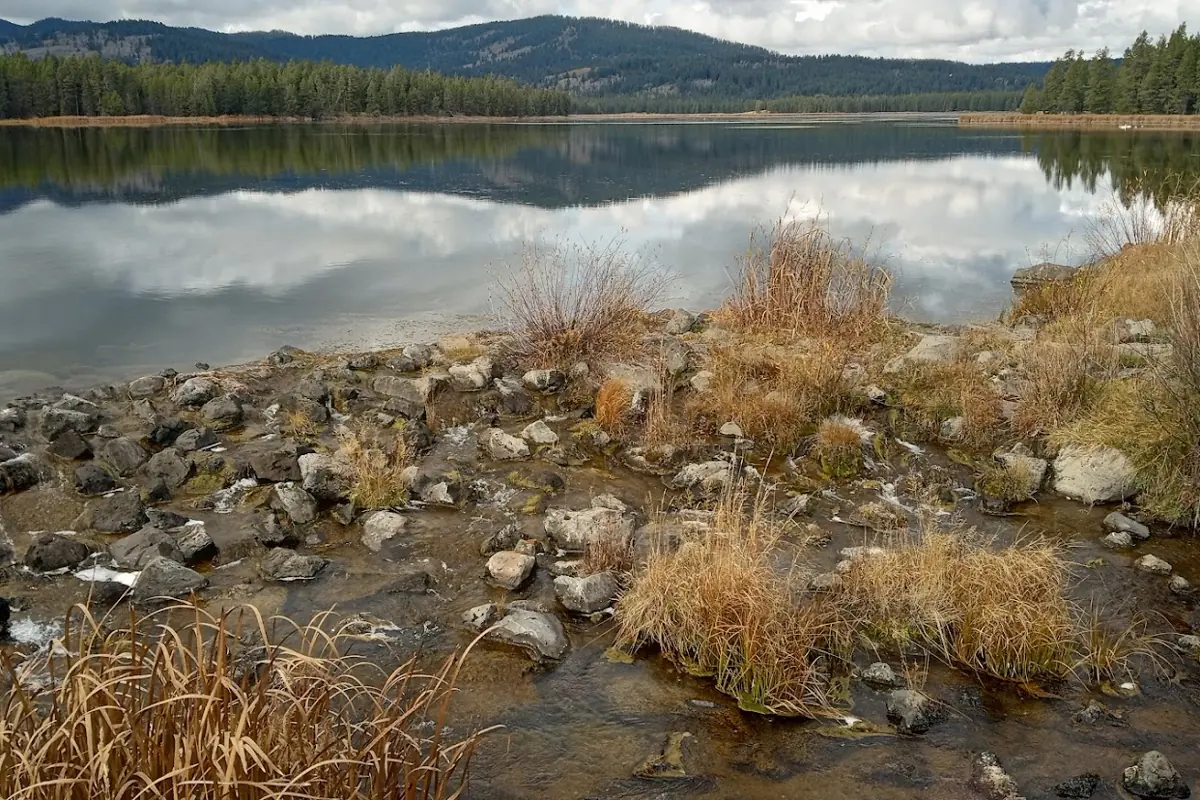
For a longer outing, compare the Silver Lake and Golden Lake routes. The brochure highlights birdwatching at Silver Lake, with rolling terrain on its southern side, and describes Golden Lake as a more secluded trail experience through forest and meadow. These are alternatives, not a requirement to visit every lake in one day. Read the map's connections and junctions carefully before committing to a loop.
The Ridge Trail adds climbing and a different perspective over the park. Choose it because your group wants the terrain, not because all the easier walks seem insufficiently ambitious. Carry water, food, a layer for changing weather and a map even when the route appears straightforward. Trail names alone do not tell you which sections are wet, snowy or restricted on the day you visit.
Watch wildlife without changing its behavior
Harriman's official park information identifies moose, elk and trumpeter swans among its notable wildlife. Seeing them is a possibility, not a promise attached to a particular trail or hour. Bring binoculars so you can enjoy birds and animals from established routes without approaching the shore or cutting across a meadow.
If an animal is on or beside your route, pause well back and give it room. Do not feed wildlife, surround it for photographs or assume an apparently relaxed animal is safe to approach. Keep children close enough to respond to instructions. Following posted closures is part of the visit, even when a closed path looks like the most direct way to a viewpoint.
The park's summer brochure also reminds visitors that this is bear country. Read current park guidance before setting out and make your food and safety preparations accordingly. A busy trailhead or a historic ranch setting does not remove the need for awareness once you are on the trail.
Explore the Railroad Ranch history
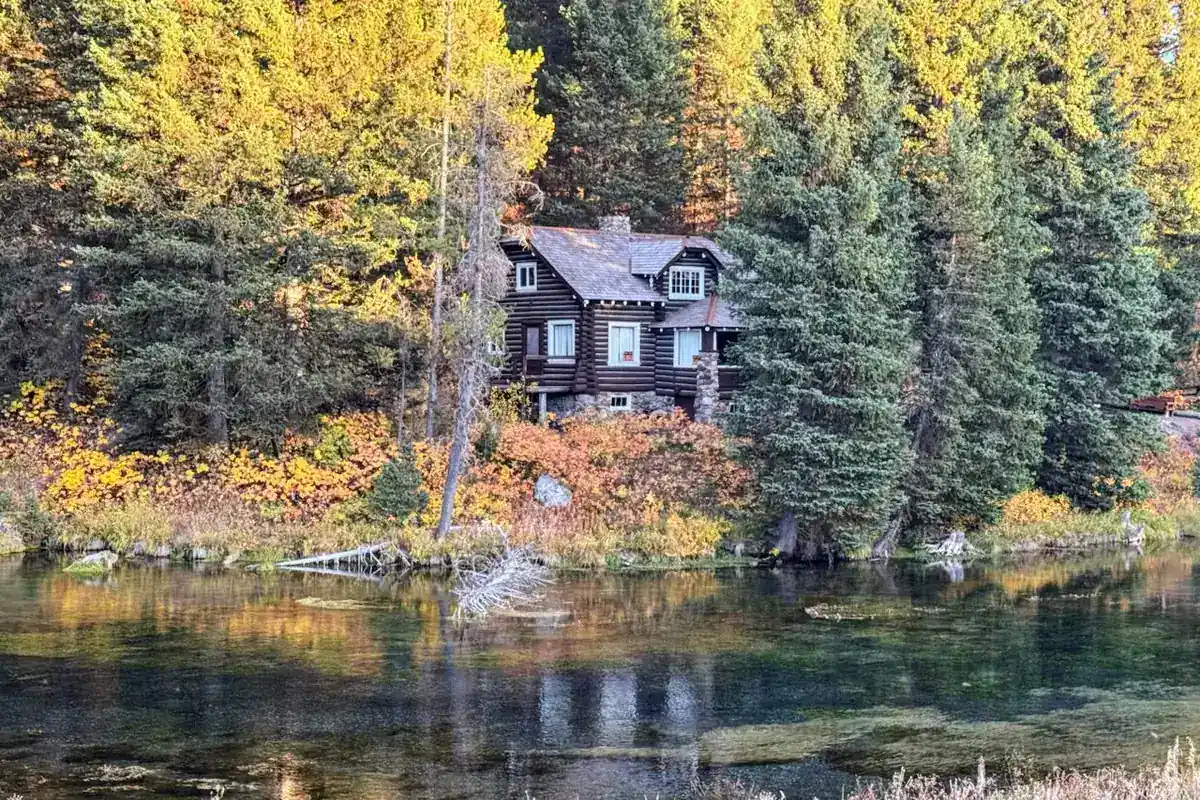
The historic Railroad Ranch is more than a scenic backdrop. Its buildings connect the landscape to the ranching and railroad history interpreted by the park. During summer, the park advertises ranger-led tours and nature programs on weekends and holidays; verify the actual schedule before planning around a tour. A building being visible from a path does not mean its interior is always open.
Walk the historic area slowly enough to read the interpretation and understand the relationship between the ranch and surrounding land. This is a useful complement to a morning on the trails, particularly for a mixed-interest group in which not everyone wants a long hike. Ask staff which buildings or programs are available rather than testing doors or entering facilities used for overnight guests.
Fishing requires its own preparation
The Henrys Fork through Harriman is known to anglers as the Ranch, and fishing is a major reason some visitors come. It should not be treated as a casual add-on based on general Idaho fishing assumptions. Before packing gear, use the official park information to check current access and confirm the applicable season, license requirements and water-specific regulations with the responsible authorities.
The park's brochure separately identifies Harriman Fish Pond off the Mesa Falls Scenic Byway. Do not transfer rules between that pond and the Henrys Fork simply because both appear in park material. If fishing is the focus of your stay, make that regulatory check before booking lodging, not after reaching the water. Non-anglers can still enjoy the river from the established routes without entering the channel.
Winter visits: skis, snowshoes and shorter days
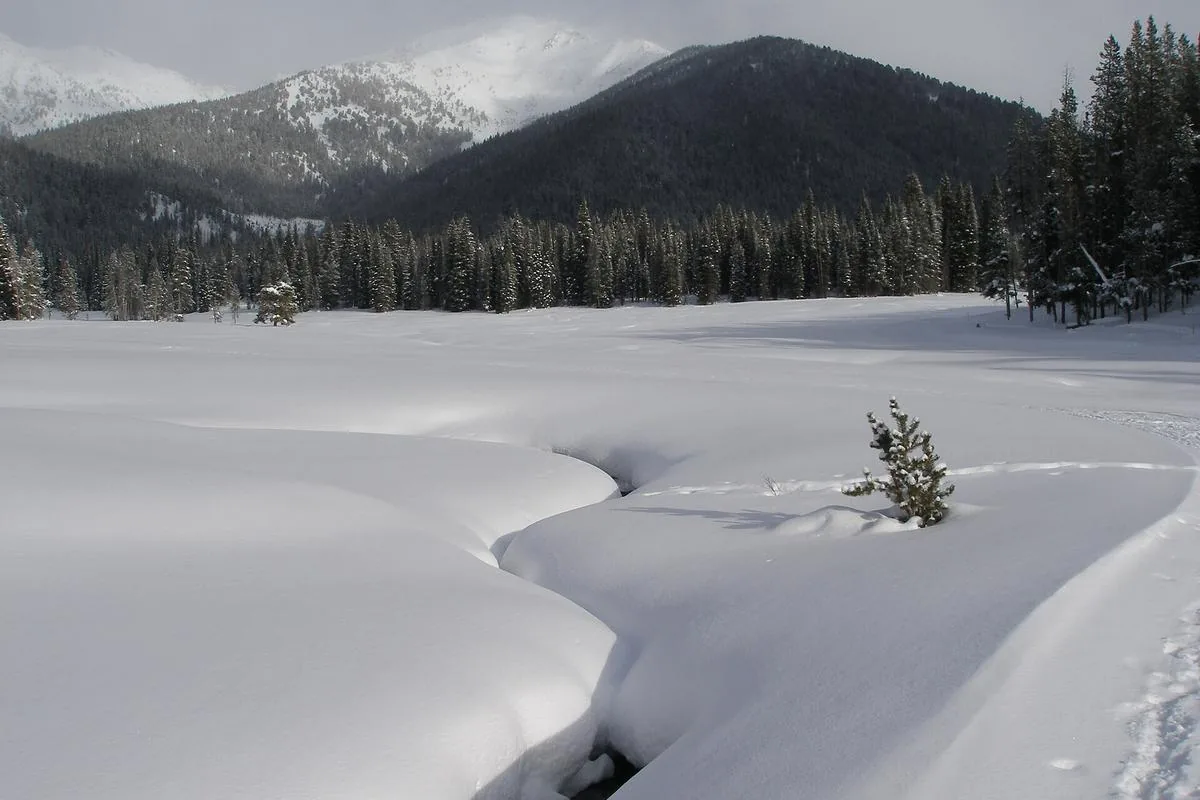
Winter changes Harriman from a hiking destination into a Nordic skiing and snowshoeing outing. The park publishes a dedicated winter trail guide, and the official page is the place to check current grooming and access notices. A historical trail map is useful for orientation but cannot confirm that a particular route has been groomed or is suitable today.
Use designated routes, respect tracks prepared for skiing and follow current instructions about where snowshoes belong. Choose a conservative turnaround time and carry the clothing and food needed for stops in cold weather. Beginners should prioritize a manageable outing over completing a named loop. Our cross-country skiing guide helps compare Harriman with other Idaho Nordic destinations.
Dogs, lodging and facilities
Do not plan Harriman as a dog-hiking destination. The current official policy restricts pets to parking lots next to vehicles, with no trail or road access, and requires them to be leashed and attended. Make pet-care arrangements that work for the whole outing rather than arriving with a dog and expecting a suitable park walk. Check with the park about any specific access question before traveling.
Harriman does not offer conventional camping, but it does have reservable overnight facilities, including yurts and historic ranch lodging. Those are distinct accommodation types, not interchangeable campsites. Read the listing for the exact unit before booking: capacity, equipment, seasonal access and what to bring should come from the reservation details. Do not assume a rustic yurt provides the same facilities as a ranch house.
The official page identifies restrooms at the visitor center and Boys House in the historic district. Ask staff about current accessibility and route surfaces if anyone in your group has mobility needs; an easy-rated trail is not automatically a paved or step-free route. Check current day-use and winter-trail charges directly, since passes and seasonal arrangements can change.
Build a half-day or full-day visit
- Short visit: Start with the current map, choose the interpretive or ranch-area walk and leave time for wildlife viewing from the route.
- Full trail day: Select one longer loop, carry lunch and add the historic area if access and energy allow.
- Winter outing: Check the latest conditions first, then pick a ski or snowshoe route appropriate to your experience and daylight.
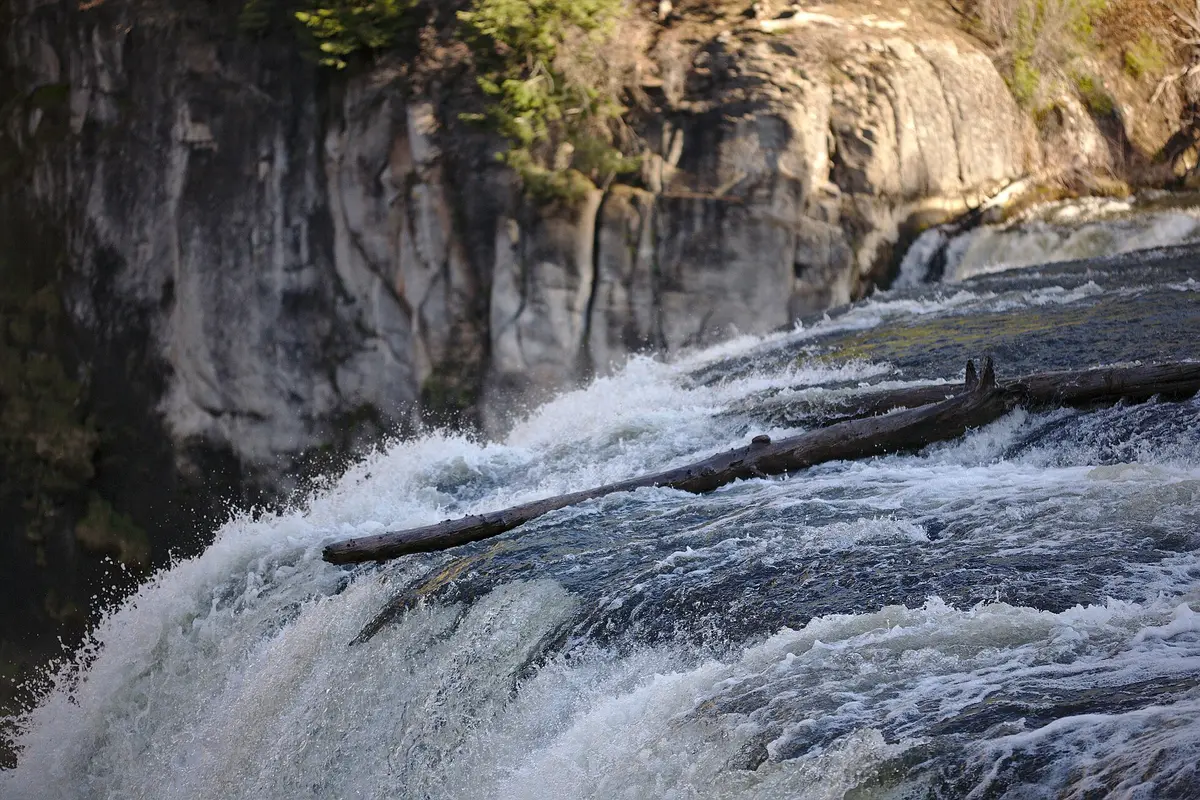
For a second destination on a longer Island Park stay, compare the waterfall-focused outing at Mesa Falls. Keep it separate if your group wants a substantial Harriman hike. If you are choosing among different park experiences statewide, our Idaho state parks guide is a useful comparison. The strongest plan leaves space to watch the river or wait quietly for birds, rather than turning this refuge into another stop completed from a car window.
Questions before you go
Is this the Harriman State Park in New York?
No. This guide covers the Idaho park near Island Park and the Henrys Fork.
Are dogs allowed on Harriman trails?
No. The official park policy restricts pets to parking lots next to vehicles, leashed and attended, with no trail or road access.
Can you camp at Harriman State Park?
There is no conventional camping. The park offers reservable lodging such as yurts and historic ranch facilities; check the specific unit and seasonal availability.