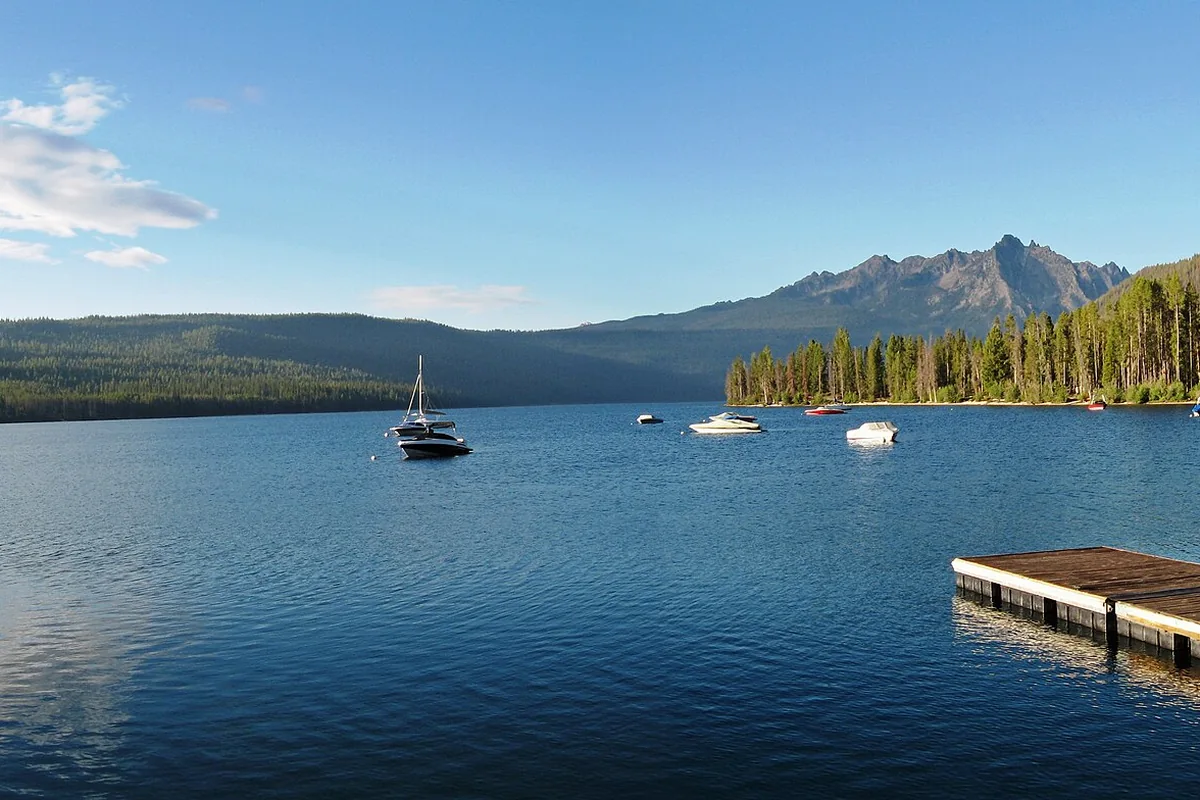
Redfish Lake is a mountain lake south of Stanley where you can spend a day on a beach, rent a boat, camp in developed Forest Service campgrounds or take a hiker shuttle toward the Sawtooth backcountry. The developed north end is the practical starting point for most first visits. Choose one main activity before arriving rather than trying to combine a beach day and a substantial wilderness hike.
The lake is part of the Sawtooth National Recreation Area, not a national park with a single entrance station and one uniform fee. Different beaches, campsites and commercial services have their own arrangements. For a broader itinerary, use our Idaho things-to-do guide and Stanley town guide.
Getting oriented around Redfish Lake
Approach from State Highway 75 using Redfish Lake Road, south of Stanley. The road serves a recreation complex rather than one destination: there are campground entrances, day-use areas, a lodge and marina, and trail access. Decide which facility you want before following a pin that simply says Redfish Lake. A campsite reservation and a beach visit may send you to different parking areas.
Big Redfish Lake and nearby Little Redfish Lake are separate lakes. This matters for boating as well as navigation: the Forest Service states that motorboats are not allowed on Little Redfish. Do not carry a rule from one lake to the other. Save maps before leaving town and use facility signs for the final approach.
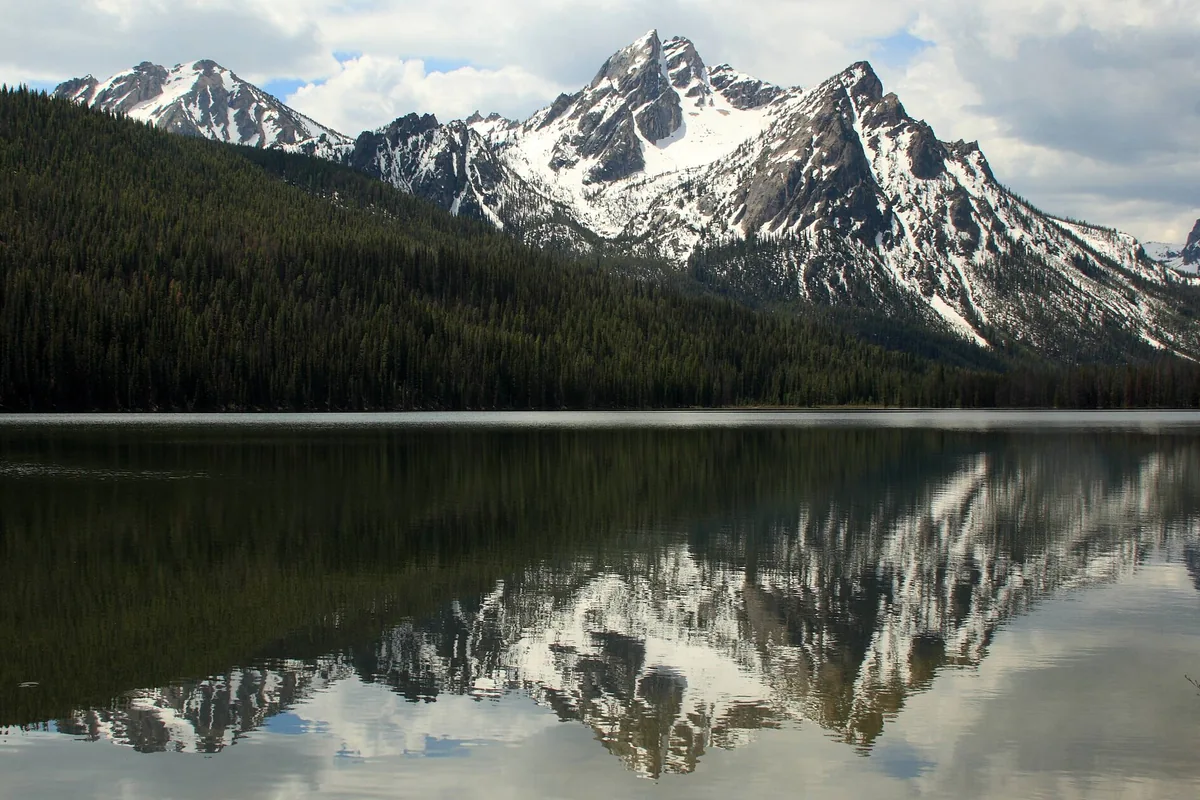
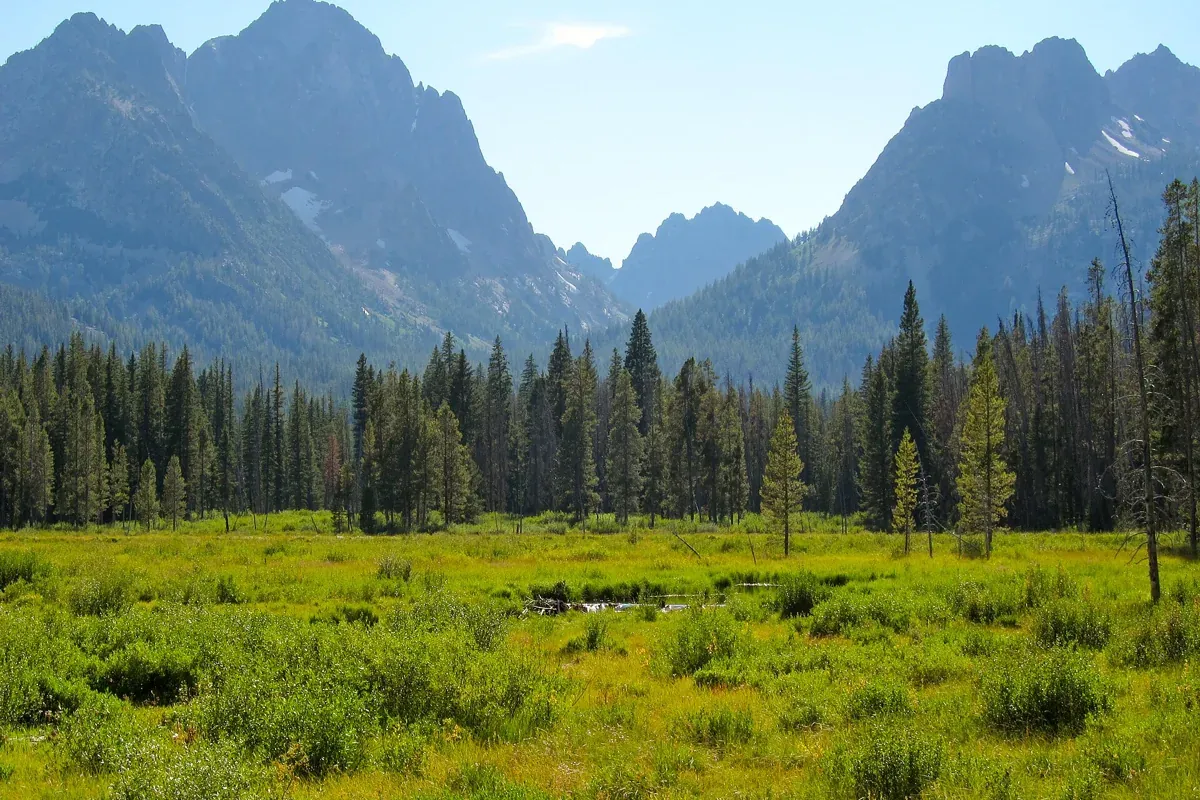
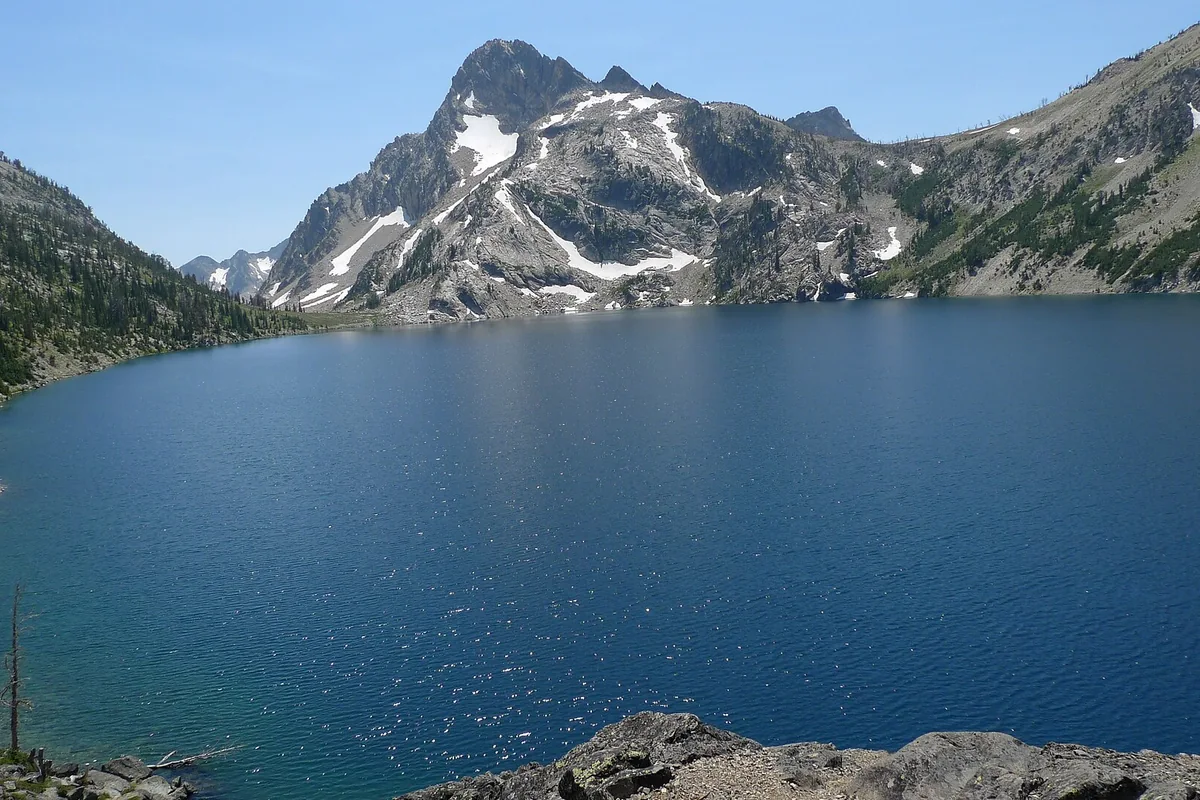
The surrounding Sawtooth peaks provide a dramatic backdrop, but the developed shoreline is not a substitute for backcountry preparation. A short walk near the visitor center and a hike from the far end of the lake are very different outings, even though both start with Redfish in the name.
Which part of Redfish Lake is best for a beach day?
The lodge and marina area is the obvious choice if your group wants to combine the shoreline with rental inquiries or other lodge services. The lodge's own activity information also identifies Forest Service day-use beaches around the north end. Visitors do not need to structure every lake day around a commercial rental.
The Forest Service lists North Shore Picnic and Beach Area east of the lodge and Outlet Recreation Day Use on the northeast side. These are useful named destinations to compare on the official recreation map. Check the individual facility's current parking, fee and pet information rather than assuming every patch of shoreline has identical rules or amenities.
For families, a simple plan works well: choose the beach first, pack food and drinking water, and allow for someone to tire of the water before everyone else. Bring shade and warm layers as well as sun protection. Mountain-lake water can feel cold even when the beach is sunny; supervise children closely and keep flotation and boating activities appropriate to conditions and ability.
Boating, paddling and the marina
Redfish Lake Lodge's marina advertises motorized and nonmotorized rentals, scenic outings and a hiker shuttle. The available inventory, booking terms and seasonal schedule should come from the official marina page. Do not plan around an undated price or assume that a particular boat will be available as a walk-up rental.
Match the outing to the least experienced person aboard. A short paddle near your starting point is a different commitment from crossing open water or trying to reach the far end of the lake. Ask marina staff about weather and return expectations, wear an appropriate life jacket and leave enough margin to return before fatigue or changing conditions become a problem.
If bringing your own boat, check current launch information and Idaho's boating and invasive-species requirements before departure. A rental operator's instructions are not a complete checklist for a privately owned craft. Keep swimming, marina traffic and launch activity separate when choosing where your group will enter the water.
How the Redfish hiker boat shuttle changes a trip
The hiker shuttle carries visitors to the Redfish Inlet Trailhead at the lake's south end. It is useful because it changes the approach to backcountry trails, not because it removes the hiking effort after the boat lands. Plan your destination and the return connection together; a scenic ride and a self-supported mountain hike require different packing.
Confirm current departure arrangements, return procedure, last pickup and weather contingencies directly with the operator. Ask how your party should handle a missed connection before getting on the boat. Do not assume a cell signal or an extra unscheduled pickup will solve a late return.
For an initial Sawtooth visit, a land-based outing can be simpler. The Fishhook Creek Trail offers a lower-commitment way to experience the valley, while our Sawtooth hikes comparison separates shorter walks from longer alpine-lake days. Neither a boat reservation nor a campground booking replaces any wilderness permit your route requires.
Camping at Redfish Lake
There are multiple developed campgrounds in the recreation complex. Glacier View, Outlet and Point are among the campgrounds the Forest Service identifies as accepting reservations. Other nearby campgrounds use different arrangements. Start with the official Redfish Lake Recreation Complex directory, then open the specific campground listing before making a booking.
Check the site dimensions, vehicle limits, dates, water availability and reservation terms for the actual campsite, not just the campground name. A tent site and a suitable space for a longer RV are not interchangeable. Seasonal amenity changes also mean a facility description should not be treated as a guarantee for a late-season stay.
First-come camping is a possibility, not a backup reservation. Have a realistic alternative before driving into a popular lake complex with all your overnight gear. Do not occupy day-use parking as an improvised campsite. If you are comparing other parts of the state, our Idaho camping guide explains the broader planning choices.
Visit the interpretive center before heading farther
The Redfish Lake Visitor Center and Gallery is managed by the Sawtooth Interpretive and Historical Association. The Forest Service describes visitor information, books, maps and educational programs there. It is a useful first stop for people who want to understand the landscape or ask about a trail rather than simply photograph it.
The center is seasonal. Check the operator's current calendar instead of relying on a summer opening pattern for a spring or autumn trip. If it is closed, obtain trail and closure information before leaving Stanley. Do not make a long hike depend on buying a map after arriving at the lake.
The lake's name is associated with sockeye salmon. Treat that as a reason to keep the shoreline and its waterways clean, not as a promise of seeing fish on a particular visit. Wildlife encounters are never scheduled attractions. Watch from a distance, leave habitat undisturbed and pack out fishing line and other litter.
When to visit and what to check
Summer is the practical planning window for combining developed services, boating and hiking, but no single date guarantees every activity. High-country snow, wildfire smoke, closures and service schedules can change the trip. A shoreline visit may be possible when an alpine route remains unsuitable; a clear lake view does not tell you what lies beyond the first ridge.
Before departure, check the forest's alerts, the individual recreation facility and any commercial booking you intend to use. In shoulder seasons, ask specifically about road access and services instead of inferring them from a lodging listing. Carry enough food, water and clothing to remain comfortable if your preferred activity is unavailable.
Two sensible ways to spend a day
- Shoreline day: start with the visitor center when open, settle at one designated beach, and add a short walk only if the group wants it. Keep boat rentals optional rather than promising them before checking availability.
- Hiking day: pick the route first, obtain the correct map and permit information, then arrange any boat connection around a conservative hiking plan. Leave the beach time as a bonus after returning.
If weather or crowding changes the plan, nearby Stanley Lake is worth researching as a separate outing, not an automatic overflow campsite. The best Redfish visit has a clear primary activity, a workable alternative and enough time to enjoy either without rushing between reservations.
Questions before you go
Can you swim at Redfish Lake?
The Forest Service lists swimming and designated beach areas in the recreation complex. Mountain-lake water can be cold; choose a suitable area and supervise children.
Is Redfish Lake the same as Little Redfish Lake?
No. They are separate nearby lakes. The Forest Service specifically prohibits motorboats on Little Redfish Lake.
Do all Redfish Lake campgrounds take reservations?
No. Reservation arrangements differ by campground and sometimes by site. Check the official directory and the current listing for the campground you want.