Camping in Idaho is easiest to plan when you choose the campground type before choosing the view. A serviced state-park site, a basic forest campground and a dispersed campsite solve very different problems. Start with your vehicle, water needs and comfort level, then narrow the region instead of assuming every lake or public road offers the same overnight options.
For a first trip, a reservable developed campground is a useful starting point. Experienced campers can investigate simpler sites, but “public land” is not blanket permission to drive off-road, build a fire or stay anywhere. Read the rules for the exact place you intend to sleep.
Quick choices by trip style
| What you want | Where to start | What to verify |
|---|---|---|
| Forest and a lake near town | Ponderosa State Park near McCall | Unit, campsite type and vehicle fit |
| A choice of lakefront campground areas | Lake Cascade State Park | Exact campground, utilities and reservation rules |
| Southeast Idaho lake recreation | Bear Lake State Park's Mountain Fawn Campground | Seasonal water, reservations and beach rules |
| A simpler public-land overnight | A specific national forest or BLM recreation area | Legal access, restrictions, water and waste arrangements |
These are starting points, not a ranking of every Idaho campground. Match the site to the trip you can comfortably manage, especially if children, pets or a large trailer are part of the group.
Ponderosa State Park: a McCall base
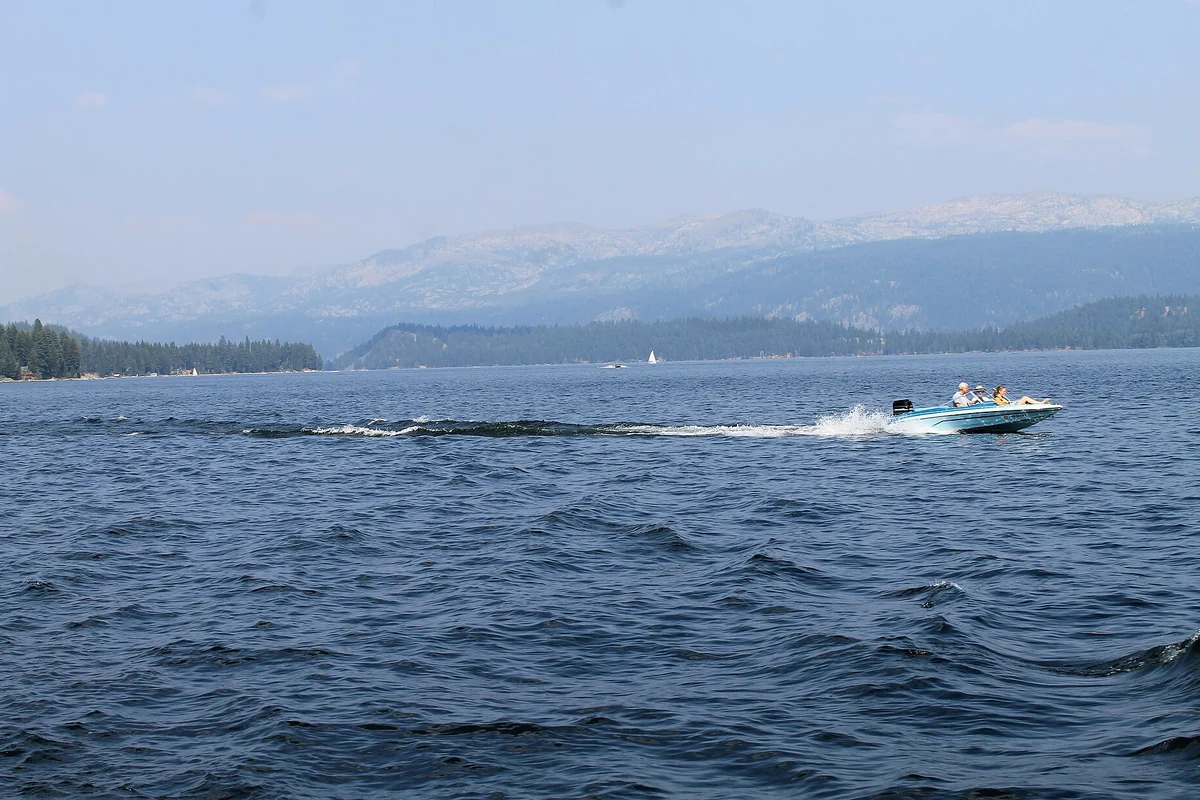
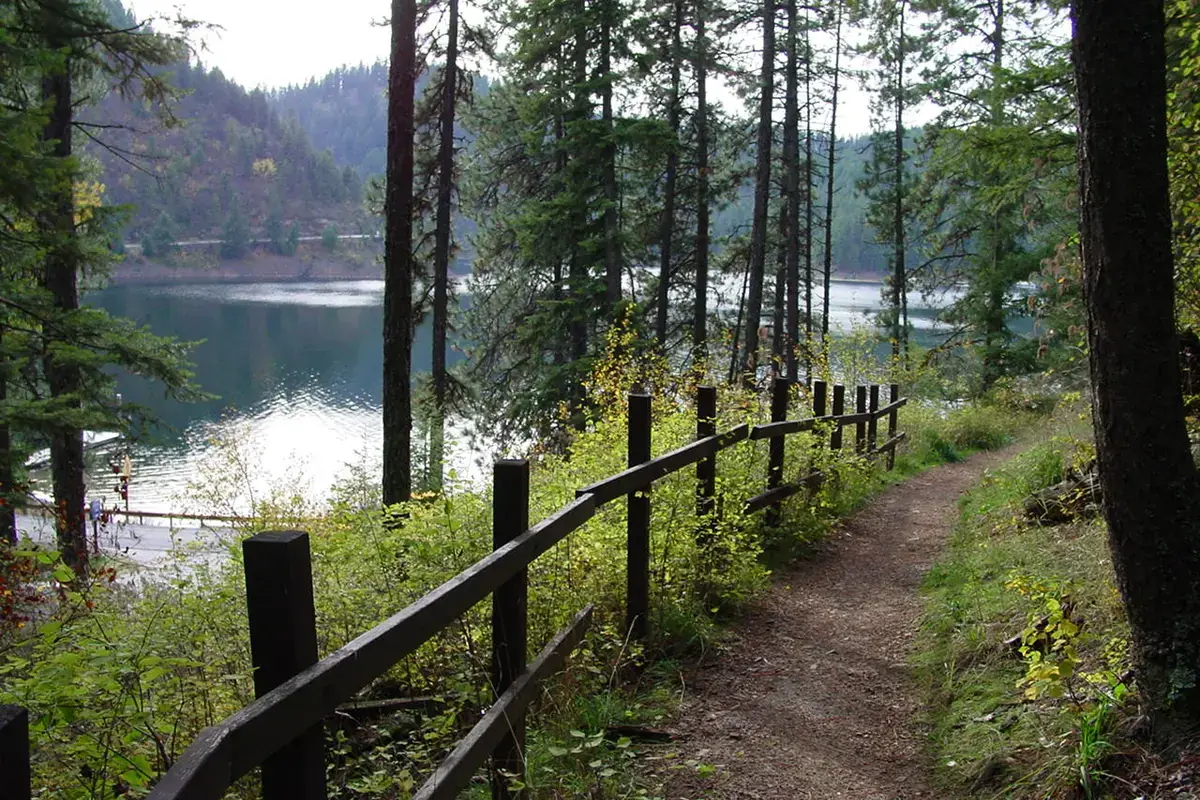
Ponderosa State Park offers standard and serviced campsites as well as cabins near Payette Lake. The park has separate Peninsula and North Beach units, so look carefully at the map attached to your reservation. A general park search is not precise enough for arrival instructions.
This is a useful place to begin if you want a campground-based vacation with time in McCall and around Payette Lake. Plan around a few local activities instead of moving camp every day. Check the site's individual amenities and rules, including the park's six-foot pet-leash requirement and the prohibition on pets in cabins.
Lake Cascade: choose the campground, not just the lake
Lake Cascade State Park has multiple developed campground areas with different facilities. The official park page identifies power, sewer and water at Poison Creek and Ridgeview. That does not mean every site around the lake has hookups.
Read the current instructions for your selected campground before counting on a walk-up stay. The park publishes area-specific reservation information, and its bulletins can change how seasonal arrivals work. For a group with several vehicles, verify parking capacity as carefully as sleeping capacity.
Bear Lake: reserve the overnight separately from beach plans
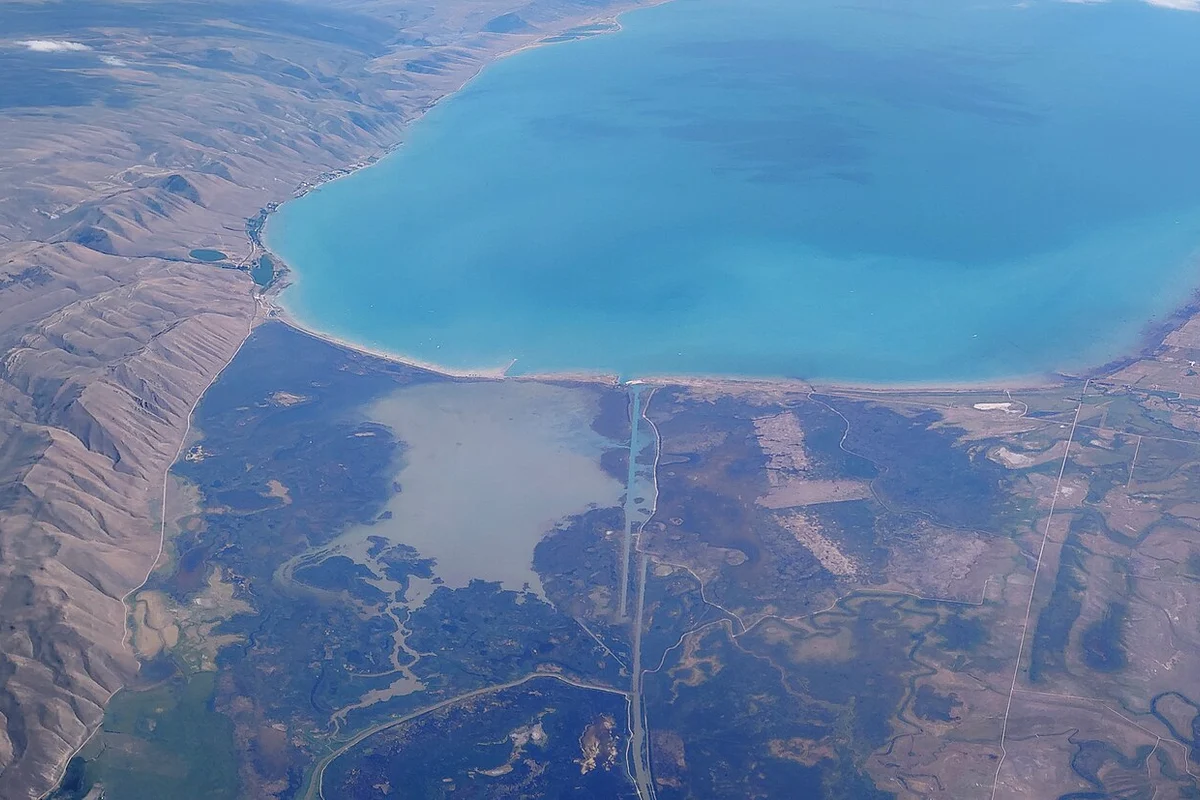
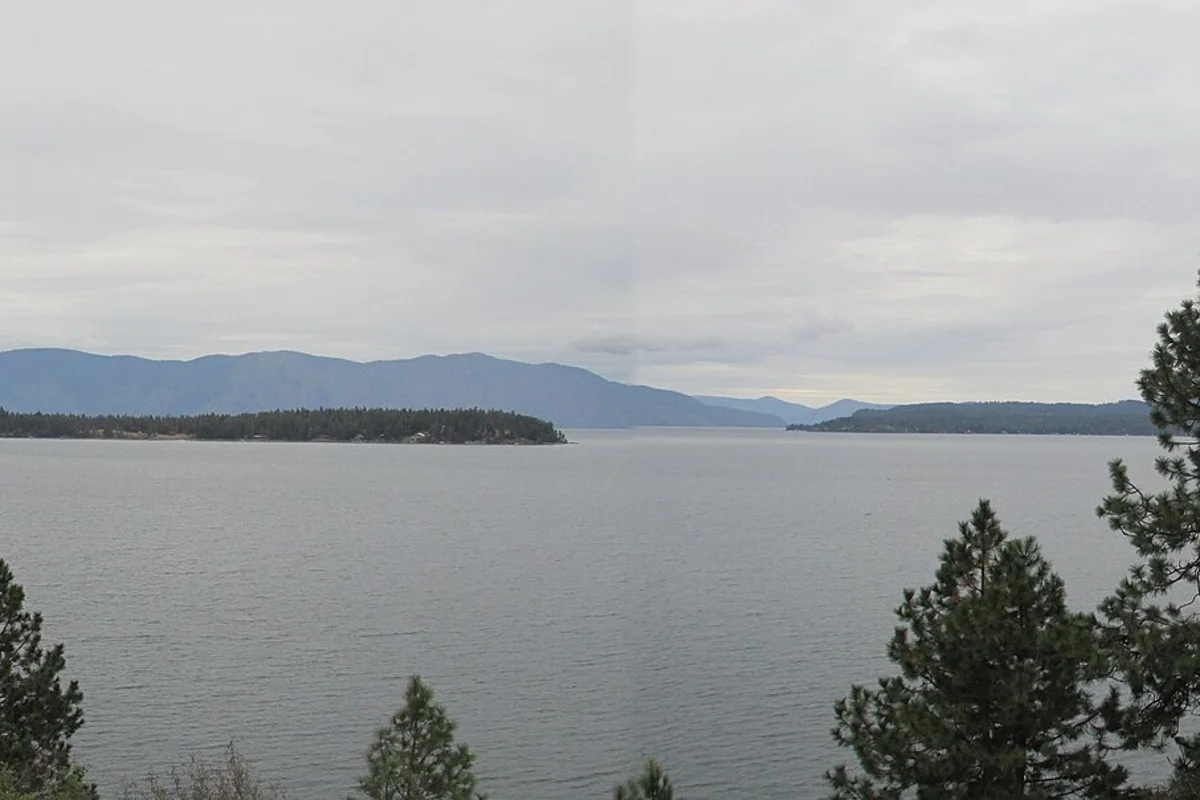
The state's Bear Lake State Park page identifies Mountain Fawn Campground on Eastshore Road near St. Charles as an overnight option. It lists standard and serviced sites, picnic tables, fire rings, restrooms and a dump station. Confirm seasonal water availability before arrival rather than assuming a reservable site means every utility is operating.
Keep beach-day arrangements distinct from campground reservations. The park publishes separate North Beach parking information and different pet rules for different areas. A dog permitted at your campsite may not be permitted at the beach you planned to visit. Our Bear Lake guide helps place the camping decision within a wider lake trip.
Developed versus dispersed camping
A developed campground gives you an identified site, but the amenity list still matters. Look for specific statements about drinking water, toilets, garbage service and hookups. Bring the supplies needed if a seasonal service is unavailable, or choose a different campground if that would make the trip impractical.
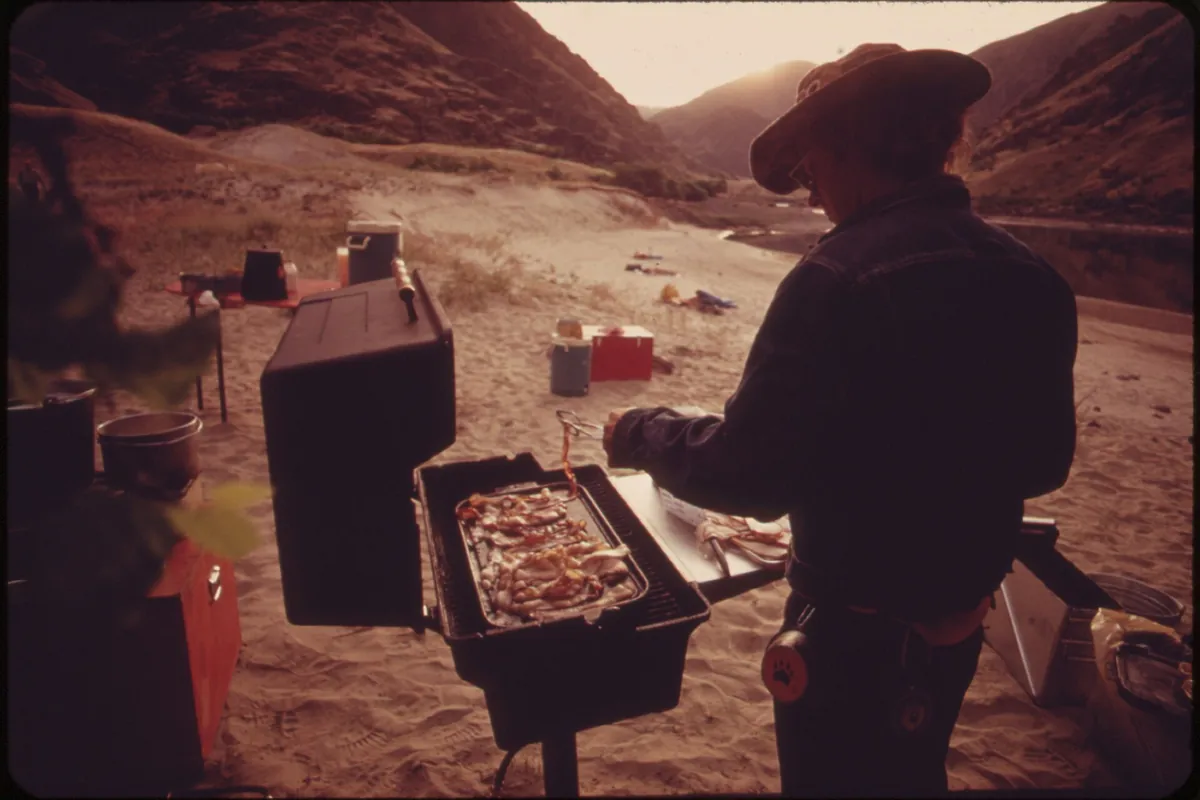
For dispersed camping, first identify the land manager and the exact area. Ask whether camping is allowed, which roads are legal for your vehicle and whether an active order changes the normal rules. Do not carry state-park reservation windows or stay limits over to national forest, BLM or private land. They are different systems.
Choose an already durable, lawful site rather than clearing vegetation or expanding a pullout. Have a complete plan for drinking water, toilets and trash before leaving the highway. If you cannot establish that a location is open and appropriate, a designated campground is the better fallback.
Reservations and realistic costs
Idaho State Parks says most reservations open nine months ahead. Its reservation and policy page explains booking changes, cancellations and occupancy. Read the full checkout total: site type, residency, vehicles and reservation charges can affect what you pay. A single statewide nightly price would be misleading.
For state parks, camping is permitted in designated areas, quiet time begins at 10 p.m. and the published stay limit is 14 nights in a 30-day period. Those are state-park rules, not a universal Idaho camping code. Review your confirmation for arrival instructions and the particular site's limits.
Before you leave home
- Check the managing agency's current campground bulletin and access information.
- Confirm seasonal water and the precise hookups your reservation includes.
- Check current fire restrictions; a fire ring alone does not establish permission to light a fire.
- Measure your vehicle and trailer against the listed site dimensions.
- Bring a backup meal and an alternative overnight plan if access changes.
Keep the itinerary focused on one region. The Idaho things-to-do hub and state parks guide can help you choose nearby outings without turning a camping weekend into a long relocation drive.
Questions before you go
How far ahead can you reserve Idaho state-park camping?
Idaho State Parks says most reservations open nine months ahead. Check the specific park and current booking policies for exceptions.
Can you camp anywhere on public land in Idaho?
No. Verify camping permission, road access and current restrictions with the manager of the exact area. Public ownership does not make every location a legal campsite.