An Idaho autumn trip works best when you choose one region instead of chasing a single statewide peak-color date. Northern forests, central mountain valleys, eastern river corridors and Boise's city parks change on different schedules. Visit Idaho's general guidance puts earlier color in northern, central and eastern areas, with southern Idaho developing later, but weather can shift the pattern.
Use the Idaho things-to-do hub to choose activities, then narrow the geography. The reward is a trip with time to stop, rather than a long drive built around a foliage forecast that may not hold.
When should you visit Idaho in the fall?
Visit Idaho's fall guide describes early October as a historical window for strong color in northern, central and eastern Idaho, with color developing farther south around mid-October. It also stresses annual variation. Those are broad planning clues, not a live report or a promise of the same conditions at every elevation.
If foliage is the main purpose of your trip, build flexibility into both the itinerary and expectations. Pick a base with more than one possible outing, and have a town-based alternative if rain, snow or road conditions make a scenic drive unattractive. Do not assume an autumn-looking photograph reflects the week you intend to visit.
Northern Idaho: look for larch as well as broadleaf trees
Western larch gives parts of Idaho an autumn look that surprises visitors expecting every conifer to stay green. Visit Idaho's tree guide identifies its gold needles, alongside other seasonal trees such as paper birch, cottonwood and quaking aspen. Learning those differences makes a drive more interesting than looking for one uniform wall of red leaves.
The state tourism office highlights the International Selkirk Loop near Bonners Ferry as a place to look for larch. Choose a northern base such as Sandpoint or Bonners Ferry and research a manageable segment. Do not assume an entire named loop is a short local drive or that every branch stays within Idaho.
For a gentler trip, combine a town day with a single scenic outing and leave a spare day to adjust to the weather. The northern Idaho guide provides a broader starting point without requiring a cross-state itinerary.
Central Idaho: balance mountain scenery with seasonal uncertainty
Central Idaho offers mountain valleys and changing deciduous trees among evergreen forests. Visit Idaho specifically notes western larch along Warm Lake Road between Cascade and Warm Lake. That is a research lead for a central-region trip, not confirmation of today's road surface, open facilities or foliage.
Base the itinerary on the experience you want. If you mainly want a town stay with nearby scenery, compare McCall with the Sun Valley area. If you are considering a higher mountain excursion, check the forecast and access information for that exact destination rather than using conditions in town as a proxy.
Services can be seasonal even when a public road remains passable. Verify lodging, food and any essential facility before departure. Carry what you need for a delay and be ready to choose a lower-elevation alternative instead of treating a planned route as mandatory.
Eastern Idaho: river corridors and aspen country
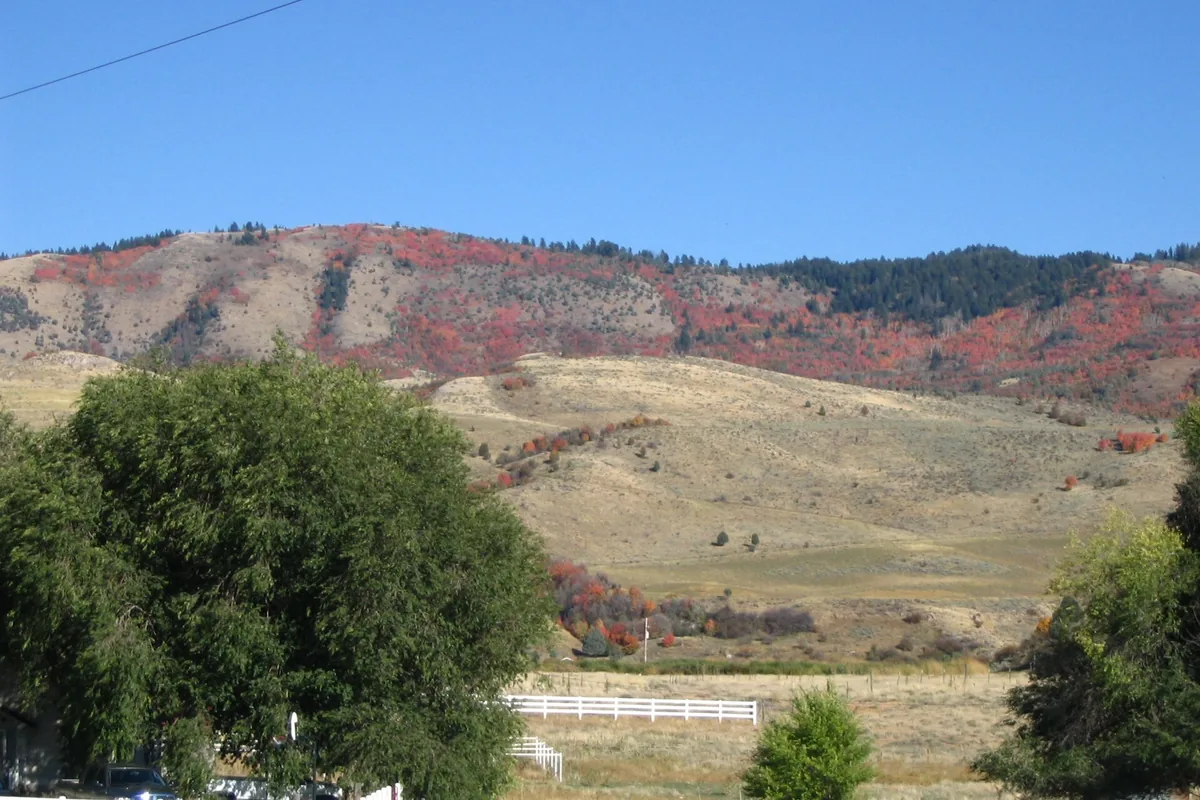
Visit Idaho's eastern and southeastern foliage guide highlights the Mesa Falls Scenic Byway, the Ashton-to-Island Park area and the US 26 corridor toward Palisades Reservoir. It describes aspen and other changing trees as part of the region's fall scenery. Choose one corridor rather than trying to combine all of them in a hurried day.
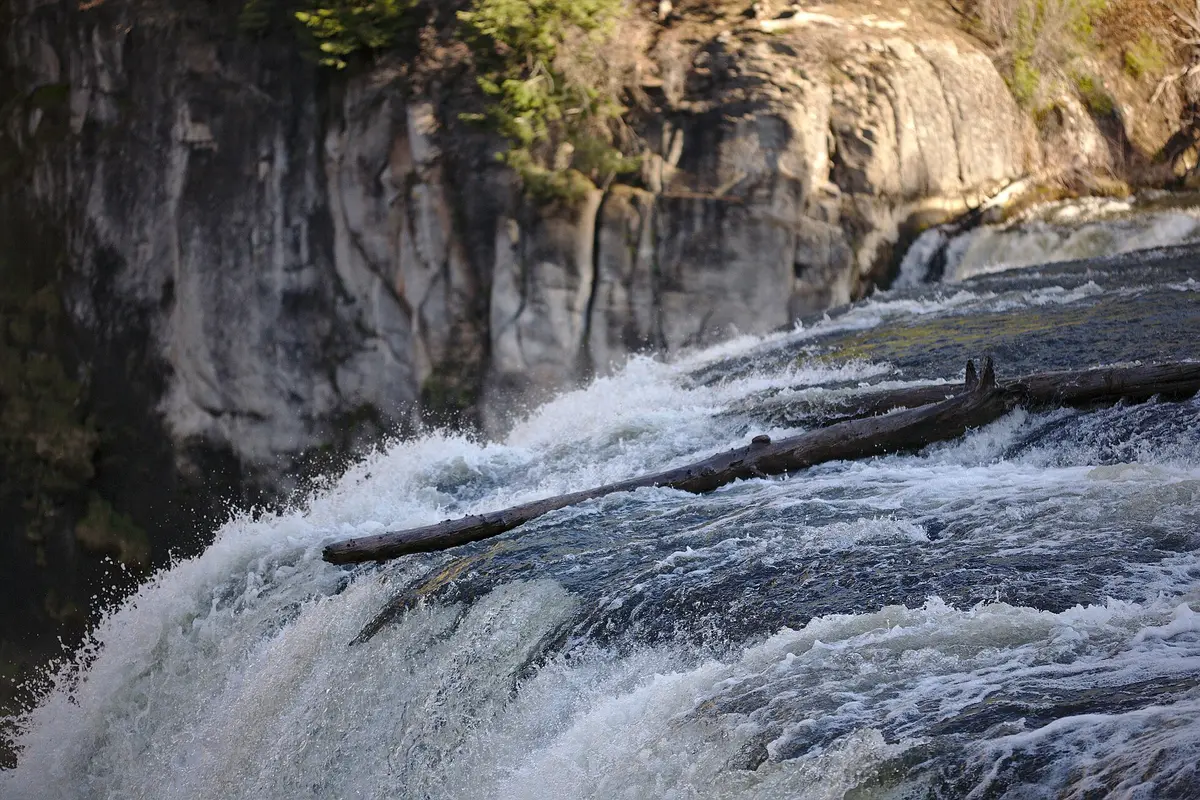
For a waterfall-focused outing, start researching Mesa Falls and confirm current access with the managing agency. For a town-based plan, use Idaho Falls as a possible base and compare the routes that fit your interests. A scenic byway name does not itself confirm that all side roads or visitor facilities are open.
River viewpoints and roadside pullouts require the same care as a longer hike. Stop only where parking is permitted, keep clear of traffic and do not step onto private land to reach a photographed angle. Autumn color is not a reason to improvise an unsafe stop.
Southwestern Idaho: a city-based fall alternative
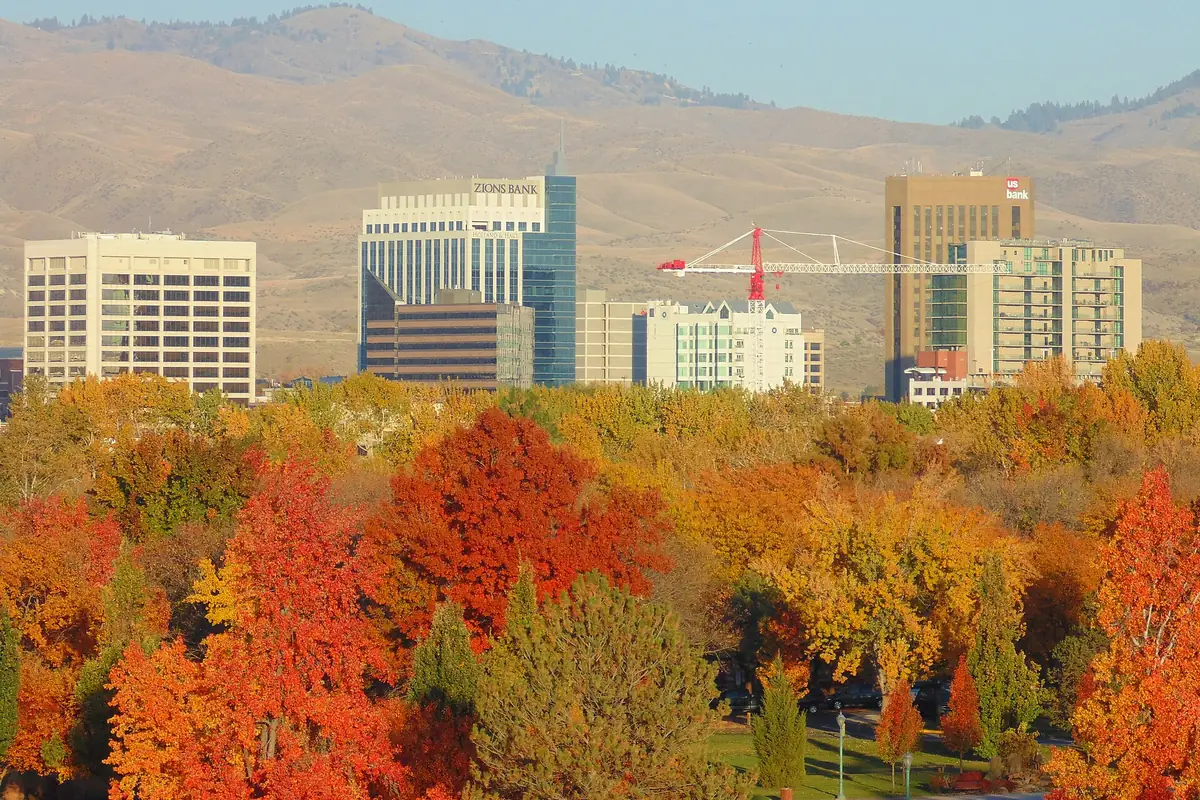
Boise is a useful choice if you want autumn walks without making mountain travel the center of the trip. The fall in Boise guide focuses on riverside paths, Julia Davis Park and walking at Kathryn Albertson Park. Food and museum options provide alternatives when outdoor conditions change.
This approach also suits a mixed group. One person can prioritize foliage while another enjoys an urban visit, without committing everyone to a remote drive. Check the Boise events guide for recurring festivals, then verify the current edition directly with its organizer.
What to check before an autumn drive
- Use Idaho 511 for current road information rather than treating this seasonal guide as a road report.
- Check the forecast for your destination and elevation, not only your starting town.
- Verify seasonal facilities with the park, forest or business responsible.
- Choose a turnaround point and an alternative before leaving reliable services.
- Keep time for daylight stops instead of adding more destinations to an already full drive.
Idaho in fall is not one scene or one weekend. A northern larch trip, an eastern river drive and a Boise park weekend are different vacations. Choose the version you most want, keep the schedule adaptable and let current conditions decide the final route.
Questions before you go
When is Idaho's peak autumn color?
There is no single statewide peak. Visit Idaho describes earlier color in northern, central and eastern Idaho and later development farther south, with annual weather variation.
Do Idaho conifers change color?
Western larch is a deciduous conifer whose needles turn gold in fall. Visit Idaho highlights it along parts of the International Selkirk Loop and Warm Lake Road.
Where should I check autumn road conditions?
Use the Idaho Transportation Department's Idaho 511 service and the responsible land manager's current notices before setting out. A seasonal guide is not a live road report.