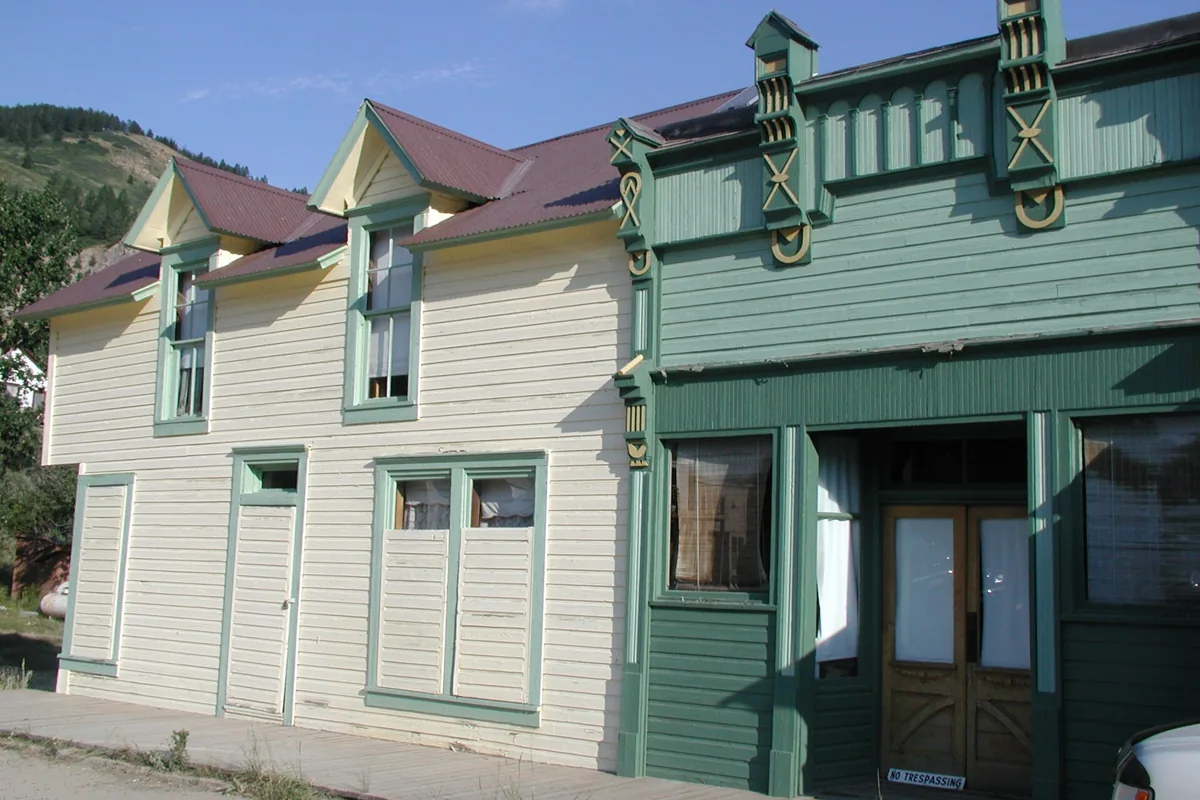
Idaho ghost towns range from preserved mining streets to little more than foundations in the forest. The best choice depends on what you want to see: standing buildings, interpreted history, or a remote landscape where a town once stood. Start with Bayhorse, Custer, and Bonanza for a focused central Idaho trip; consider Silver City for an Owyhee mining-town setting, or Burke for a northern Idaho history stop.
Not every place called a ghost town is abandoned. Some retain residents, seasonal owners, or working businesses. Treat the term as a description of a mining boom that ended, not permission to enter buildings or wander across private land. For a broader itinerary, compare the Idaho things-to-do guide and our Idaho museums guide.
Bayhorse: a concentrated look at mining history
Bayhorse belongs to Land of the Yankee Fork State Park near Challis. Its appeal is the relationship between the remaining structures and the steep mining landscape around them. It is a good starting point for travelers who want a recognizable historic site rather than a search for scattered traces.
The state park manages seasonal access, so check the official Land of the Yankee Fork page before leaving the highway. A road visible on a map does not establish that a gate is open or that visitor services are operating. Use the park's site maps rather than treating mining tracks as public walking routes.
Custer and Bonanza: build one Yankee Fork outing
Custer and Bonanza are sister mining communities within the larger Land of the Yankee Fork Historic Area. Gold mining brought rapid growth, then decline; the state park describes both as ghost towns by 1911. Custer offers the more obvious historic-town experience, while Bonanza helps put the larger mining district in context.
Make the interpretive center near Challis part of the plan if its schedule fits. Exhibits explain the district before you encounter individual structures and equipment. The Yankee Fork Gold Dredge is another distinct stop, not simply another building in town. Check its own tour arrangements through the park information rather than assuming all attractions share an admission or schedule.
This cluster works naturally with a stay in Stanley or a longer central Idaho road trip. Keep the historic sites as the day's main purpose instead of adding them after a full mountain hike. Slow roads, interpretation, and stops for photographs can absorb more time than the mileage suggests.
Silver City: historic streets with private property
Silver City in the Owyhee Mountains is one of Idaho's best-known mining settlements. Historic buildings remain, but that does not make the town an open-air collection of structures anyone may enter. Private property and old mining features require particular care here.
Plan Silver City as a mountain-road excursion, not a quick urban detour. Confirm the approach with the relevant land manager and county before committing, especially outside the main warm-weather travel season. Do not use a navigation app's shortest route as proof that your vehicle can complete the drive. Bring enough supplies to turn around without needing a shop or fuel stop in town.
Is Idaho City a ghost town?
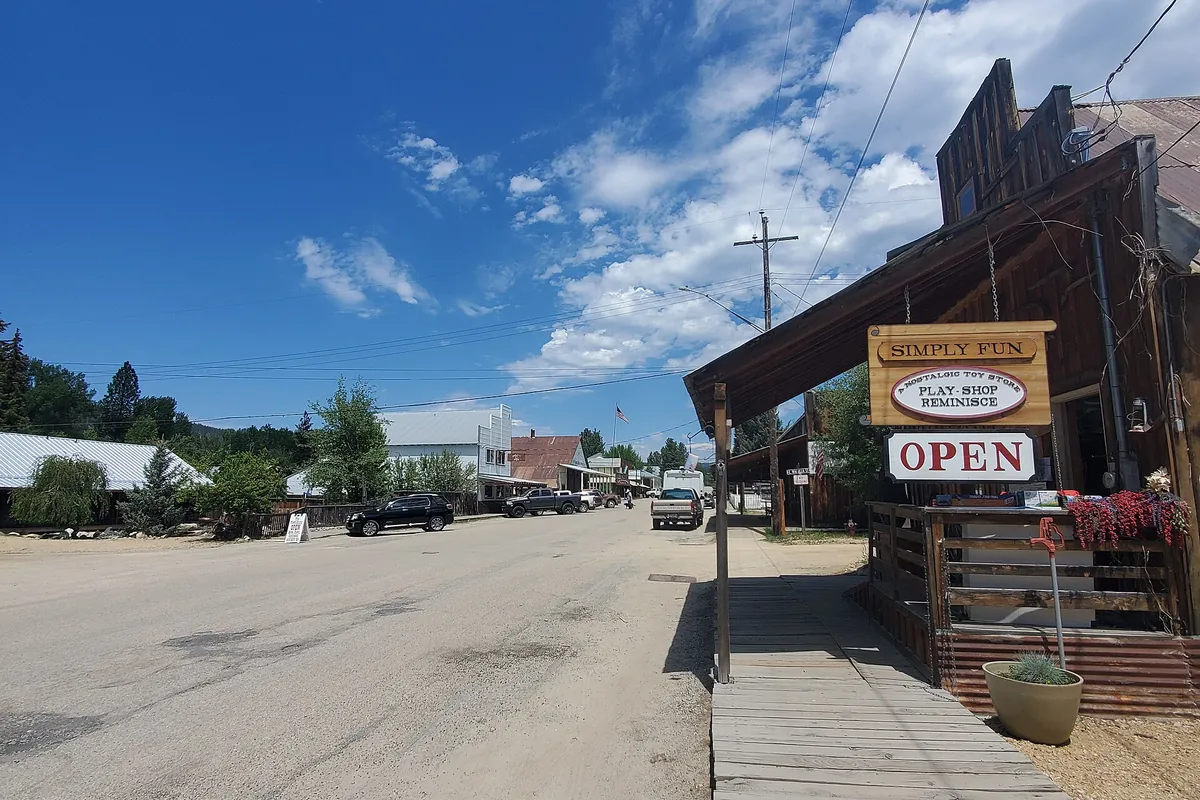
Idaho City is a living community with a preserved gold-rush streetscape, rather than an abandoned town. Visit Idaho dates its founding to 1862, when it was called Bannock. Its surviving historic setting makes it useful for travelers who want mining history without structuring a whole trip around remote access.
Choose it for a walk through a historic district and a look at how a boomtown evolved after the rush. Leave space for everyday community life: homes, roads, and active businesses are not museum exhibits. It is also a logical subject for a day trip from Boise, with current conditions determining the final plan.
Ghost towns in northern Idaho
Burke, in the mining country near Wallace, is a useful northern Idaho starting point. Visit Idaho connects its story to the wider Silver Valley mining district. Pair the surviving landscape with interpretation in Wallace instead of expecting a fully restored town with an organized visitor route.
Florence is a different kind of destination. The Idaho State Historical Society describes a once-busy mining settlement with little remaining beyond traces of the old diggings. That distinction matters: a site with few structures may reward someone interested in landscape history but disappoint a traveler expecting a street of preserved storefronts.
Build an Idaho ghost towns map by region
Build a map around regions, not a single ambitious statewide loop. Keep Bayhorse, Custer, and Bonanza together; treat Silver City as a separate southwest excursion; and plan Burke with the northern mining country. Historical town names in a database are not equivalent to maintained visitor destinations.
- Download official maps and check seasonal notices before losing reception.
- Carry water, food, layers, and a spare-tire plan appropriate to your vehicle.
- Stay out of shafts, tunnels, unstable buildings, and fenced areas.
- Leave bottles, metal, timber, and other historic material where you find it.
- Ask before photographing through windows or entering any occupied property.
Use maintained paths and interpreted stops as your default. The strongest ghost-town trip is not the one that collects the most abandoned places. It is one that leaves enough time to understand why people came, what mining changed, and why the settlement's role eventually faded.
Questions before you go
Is Idaho City really a ghost town?
No. It is an active community with surviving gold-rush buildings and historic attractions.
Which Idaho ghost towns work well together?
Bayhorse, Custer, and Bonanza belong to the larger Land of the Yankee Fork Historic Area and make a sensible central Idaho history trip. Confirm each site’s seasonal access.