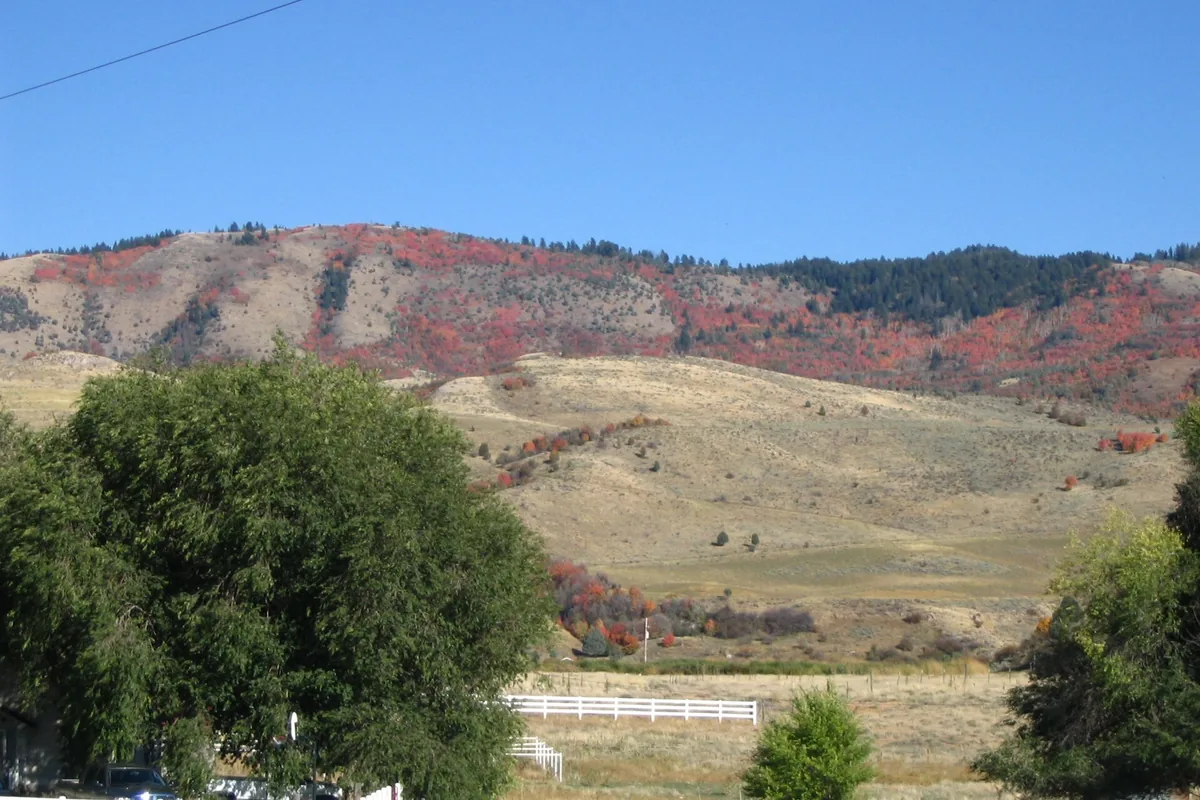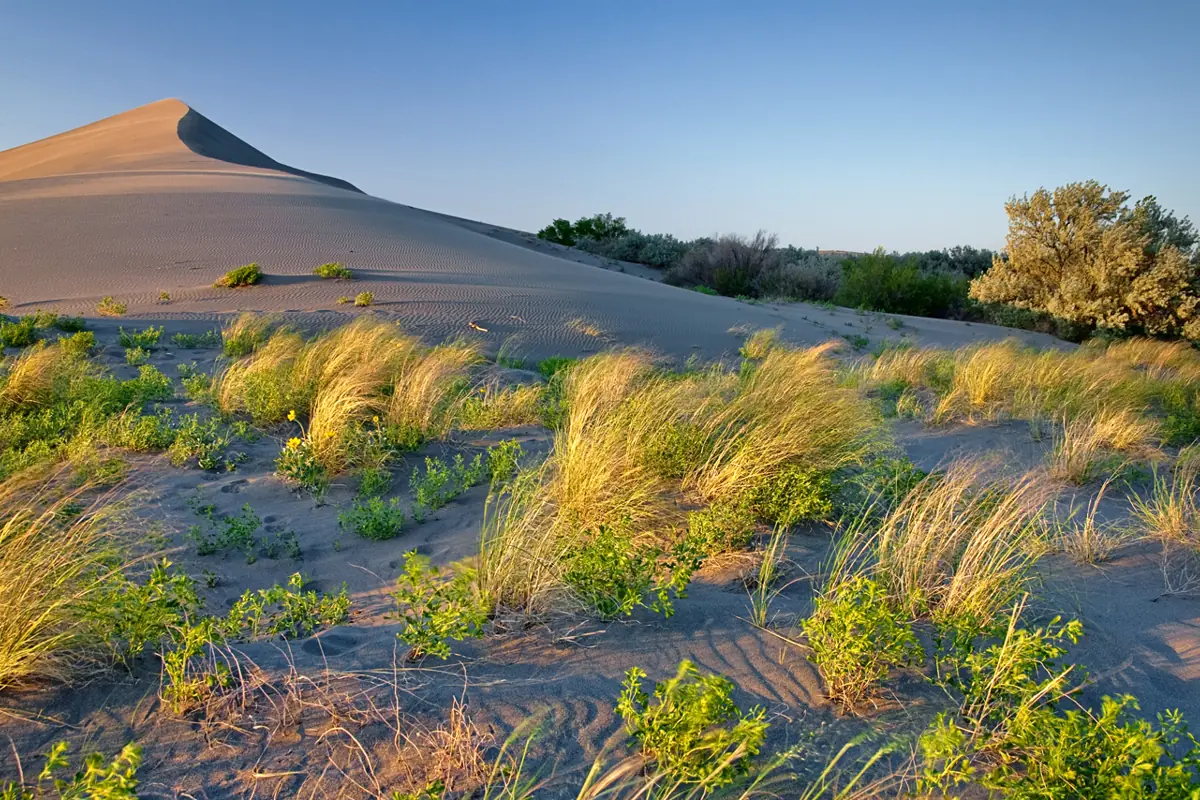
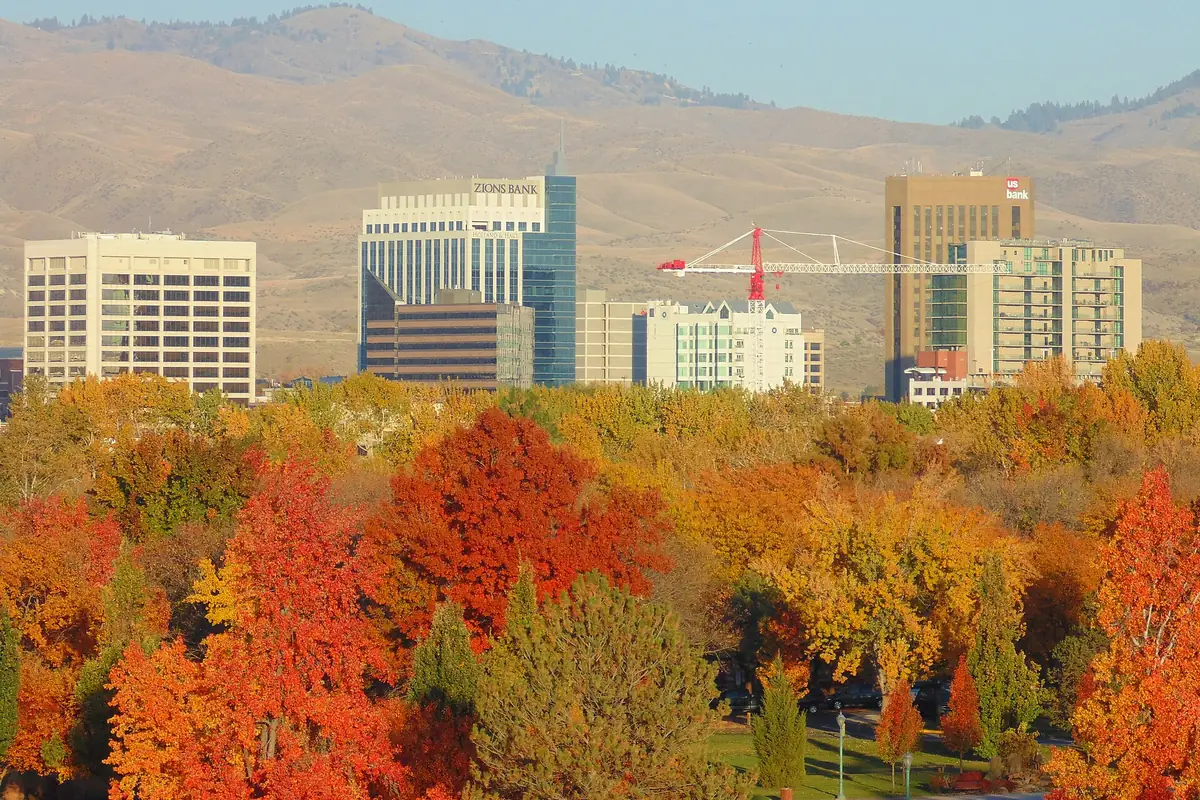
Boise Idaho in the fall is well suited to a trip built around riverside walks, city parks and food stops, with foothill outings added only when trail conditions allow. For foliage, think in flexible windows rather than one guaranteed weekend: Visit Idaho says southern Idaho's colors generally develop later than those in northern and higher-elevation parts of the state.
Start with the Idaho things-to-do guide for a broader itinerary. If you're comparing Boise with mountain destinations, the statewide Idaho autumn guide explains why one set of dates does not suit every region.
When does fall color arrive in Boise?
Visit Idaho's seasonal guidance places developing color farther south around mid-October, after earlier changes in northern, central and eastern Idaho. Weather can shift that pattern, and the state tourism office explicitly avoids treating the timing as certain. Use it to choose a travel window, not to promise a particular tree will be at peak color.
If foliage is your priority, leave time for more than one walk and adjust to what you see. An early visit can still work well for parks and food; a later one may need a stronger indoor backup. Check a current forecast close to departure rather than packing around a generic image of warm afternoons.
Walk the Boise River Greenbelt
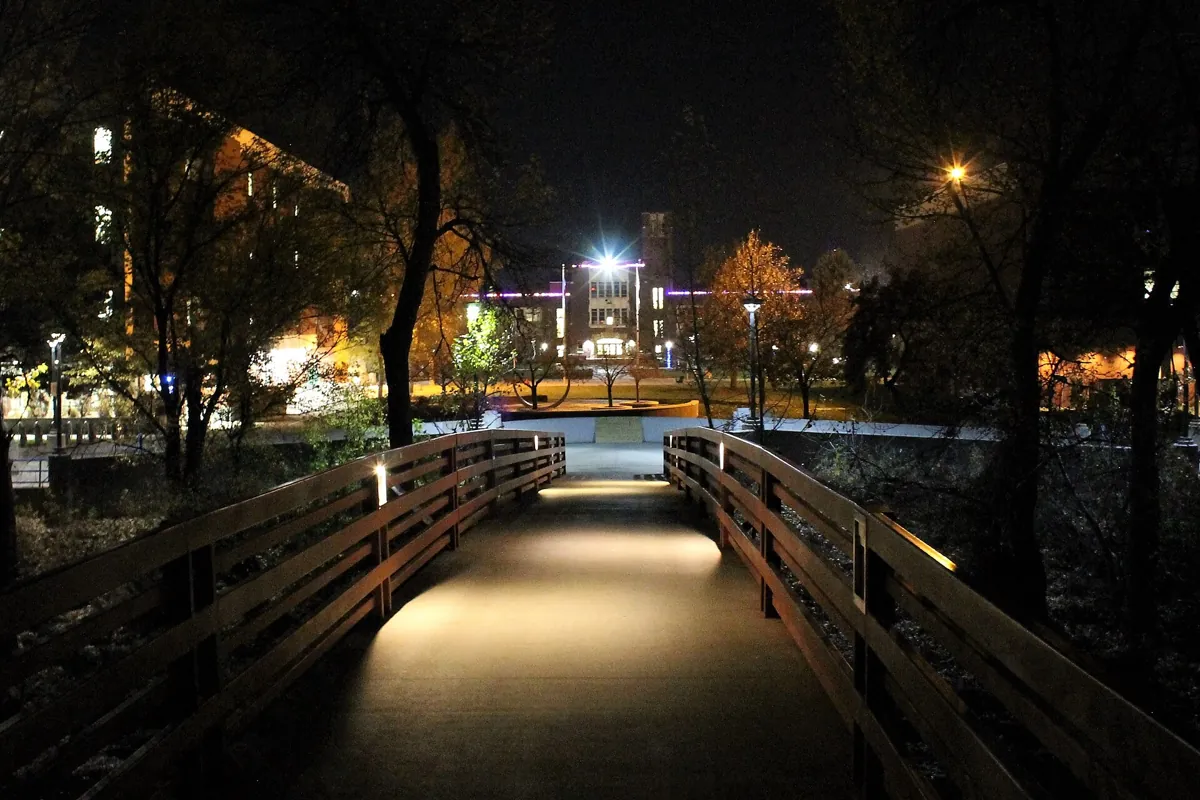
The City of Boise's Greenbelt information describes a tree-lined path along the river with access to many riverside parks. That combination makes it a sensible starting point for an autumn outing: you can select one section, enjoy the river corridor and turn around without committing to a mountain trip.
Use the current city map to choose an access point and check for closures. Do not treat the whole regional pathway as one uninterrupted route with identical management rules. On a short visit, a comfortable out-and-back is usually more useful than trying to cover every section.
Our Boise River Greenbelt guide can help frame the outing. Bring a layer, keep shared-path awareness in mind and stop off the traveled surface when taking photographs.
Choose Julia Davis Park for a varied day
Julia Davis Park has Greenbelt access and several landscaped and commemorative features, including its rose garden and river memorial. Its location makes it useful for a day that alternates outdoor time with a separate cultural stop.
Boise Art Museum publishes its current exhibitions and programs online. Check those independently before making them your wet-weather plan; a museum visit has its own admission and service information. You can also use the Idaho museums guide to compare other indoor possibilities.
In September, the museum's Art in the Park festival is another reason to consider this area. Verify the current edition rather than assuming its dates from a previous year. The Boise events guide also covers the North End's Hyde Park Street Fair.
Kathryn Albertson Park is for walking, not riding
Kathryn Albertson Park offers wide paved footpaths in a wildlife-oriented setting near downtown. It is a good choice when the main goal is a quieter walk and time observing the park rather than a long exercise route.
The city prohibits bicycling and e-scooters within this park, so it should not be treated as a ride-through extension of a Greenbelt bicycle trip. Respect wildlife by keeping your distance and staying on established paths. If you want both a walk and a bike ride, plan them as distinct activities with appropriate access for each.
Use foothill conditions, not the calendar
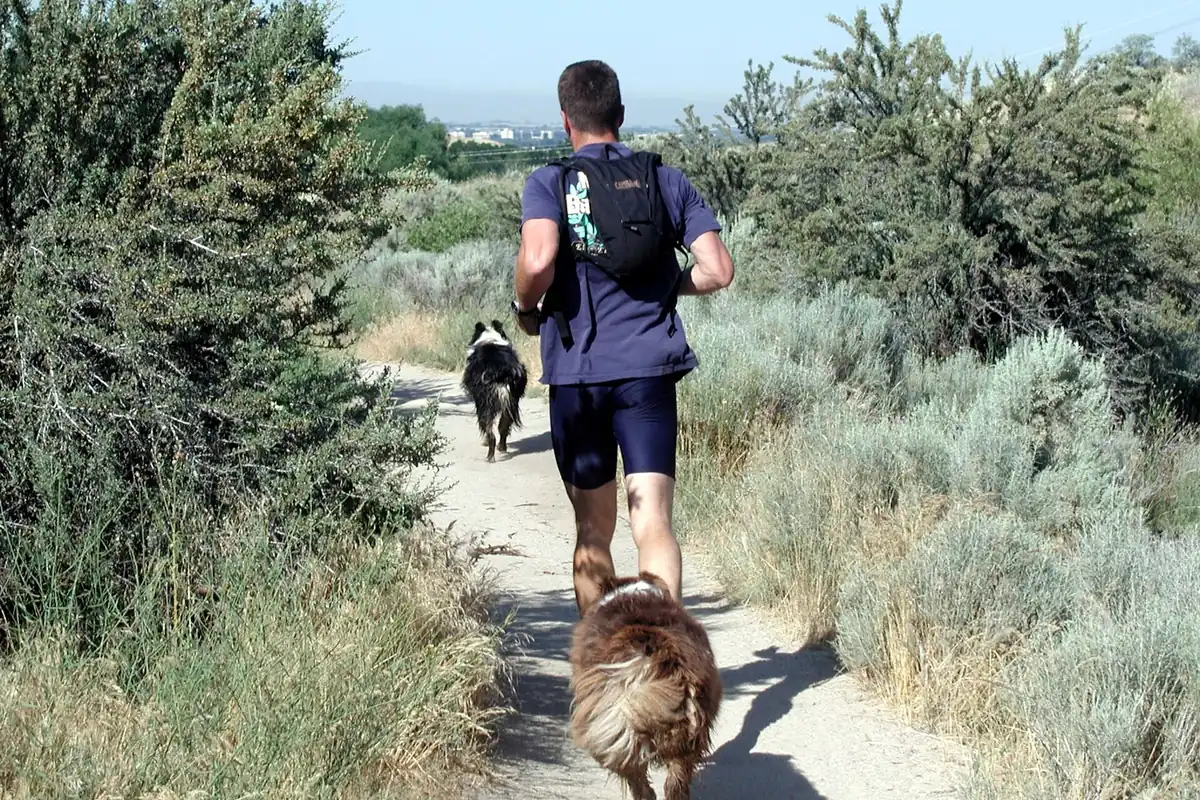
Fall can tempt visitors into assuming every lower-elevation trail is ready to use. Ridge to Rivers warns that using muddy trails is the leading cause of damage on its system and publishes condition reports. Read the latest report before choosing a route, especially after rain or during freeze-thaw weather.
Consult hikes near Boise for ideas, then make a fresh decision based on conditions. Turning around or choosing pavement is part of responsible trip planning. A clear view from downtown does not establish that a particular trail surface is dry.
A flexible October day in Boise
Begin with a park or a selected Greenbelt section while you can assess the weather. Make lunch a separate decision using the unique Boise restaurants guide, then choose between another walk and an indoor activity. This structure lets you shorten the outdoor portion without losing the whole day.
For a weekend, keep one block uncommitted instead of filling both days with driving. That gives you room to revisit the best color you found, attend a confirmed event or spend more time indoors. Fall in Boise works well when the city itself is the destination, with a mountain side trip treated as an option rather than an obligation.
Questions before you go
When is fall color in Boise?
Visit Idaho generally places developing color farther south around mid-October, but weather and individual sites affect the timing. That is a planning window, not a peak-color guarantee.
Can I ride a bicycle through Kathryn Albertson Park?
No. The City of Boise prohibits bicycling and e-scooters within Kathryn Albertson Park. Plan a walking visit instead.
Should I hike Boise foothill trails after rain?
Check the latest Ridge to Rivers condition report. Avoid muddy trails, which can be damaged by use, and choose pavement or another activity when needed.