⌁ Ski report
Snow depth at the nearest SNOTEL station (Long Valley, 4,890 ft) — not the resort’s reported base. 1 in snow depth. Observation: 2026-11-18. +0 in / 24h (depth change, not snowfall).
NRCS station snow depth, not resort base. Check resort reports before traveling.
7-day weather forecast
National Weather Service · Updated 2026-11-20T02:54:07+00:00. Forecasts can change quickly in the mountains.
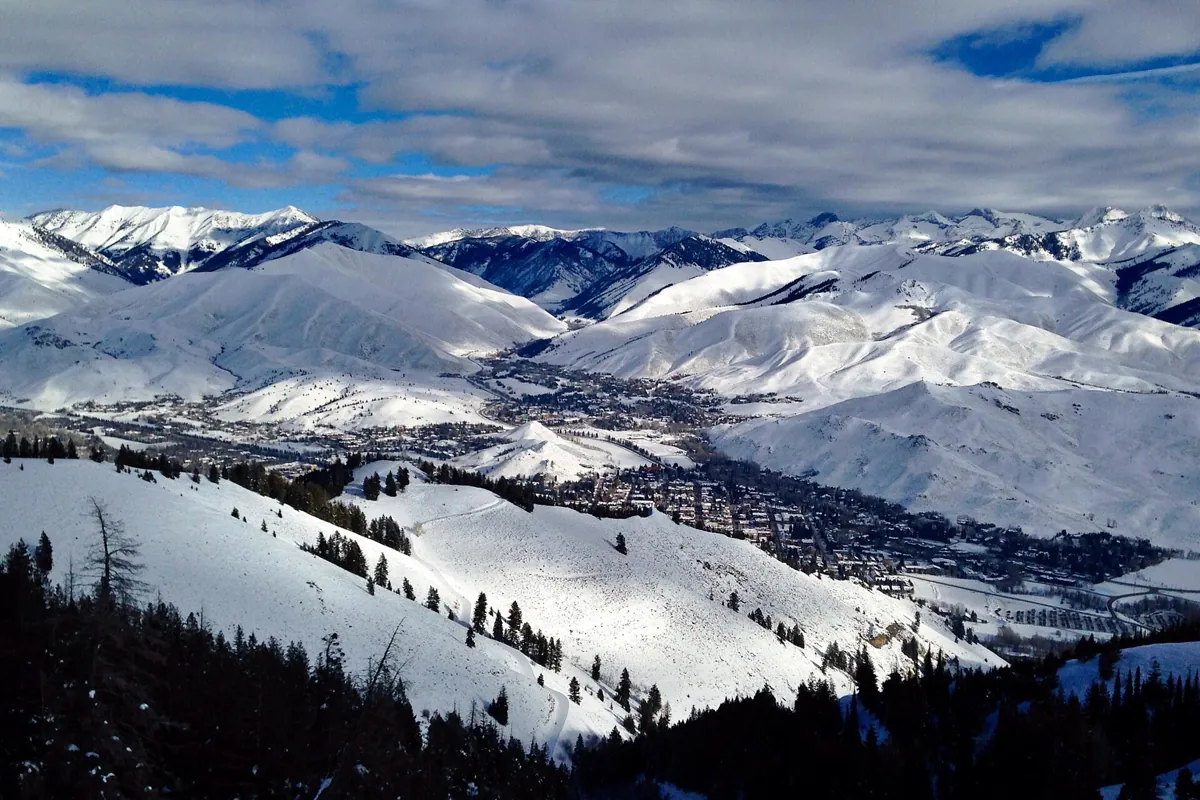
Tamarack Resort is a destination ski area near Donnelly on the west side of Lake Cascade, with 2,800 feet of vertical drop and 1,610 skiable acres in its official March 2026 winter fact sheet. Its combination of a substantial mountain and an on-site lodging village makes it worth considering for a multiday trip, rather than only a day on the slopes.
The first planning decision is whether to stay at the resort or use a nearby town as a base. The second is whether its terrain matches your group. Start with the overview of skiing in Idaho, then compare Tamarack with Brundage Mountain and Bogus Basin before choosing an itinerary. These are separate mountains, not interchangeable stops on a single lift ticket.
How big is Tamarack Resort?
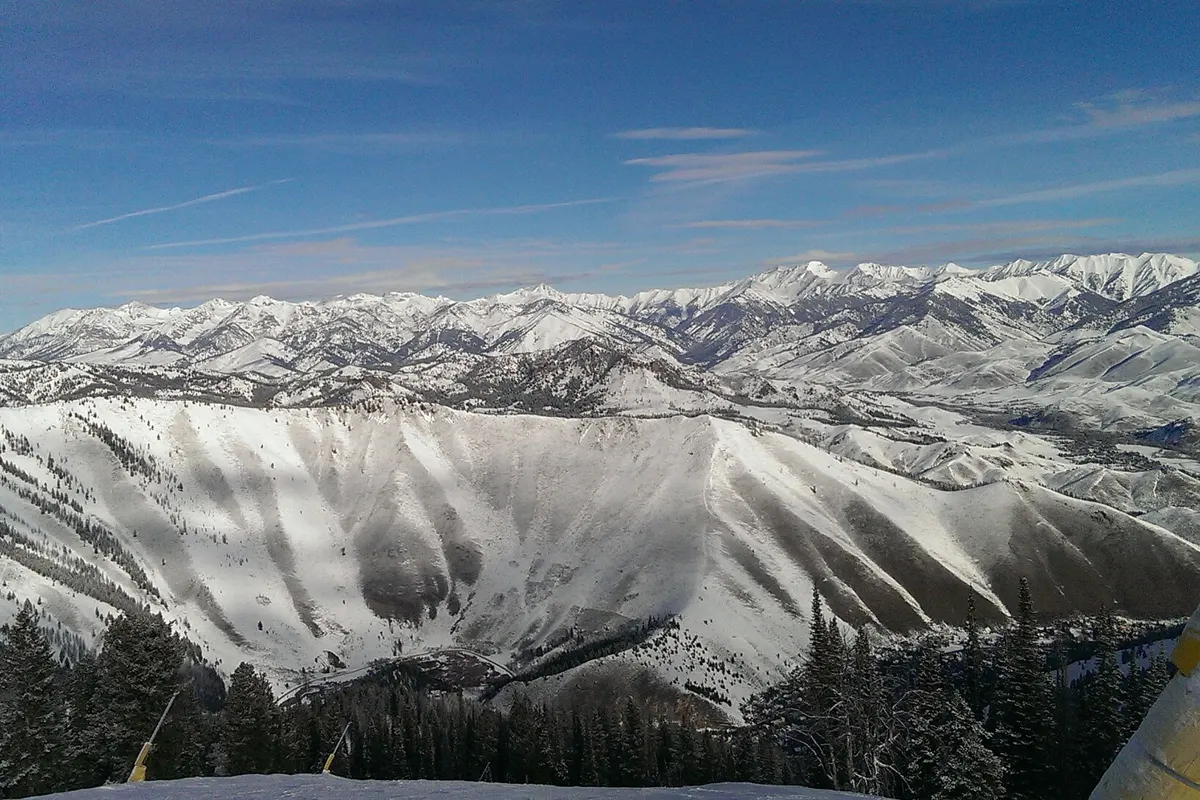
The resort’s winter fact sheet lists a base elevation of 4,900 feet and a summit elevation of 7,700 feet. The 2,800-foot difference is useful context: a descent can involve changing snow texture and visibility between the upper mountain and the village. Dress for the exposed upper slopes, not just the temperature beside your lodging.
Tamarack publishes seven lifts, including three high-speed detachable quads, two fixed-grip quads and two surface lifts. Its reported terrain mix is 17 percent easiest, 45 percent more difficult and 38 percent most difficult. Those categories describe the resort’s inventory; they do not promise that the same proportions will be open on your visit. Snow coverage, grooming, weather and operational decisions determine the actual choices.
Use the resort’s mountain page for current lift information and a trail map. The March 2026 fact sheet and the mountain page differ on some secondary totals, including named trails and snowfall averages. This guide uses their matching acreage, elevation and lift figures, without treating a trail count as a measure of the skiing available today.
What terrain suits your group?
First-time skiers and snowboarders
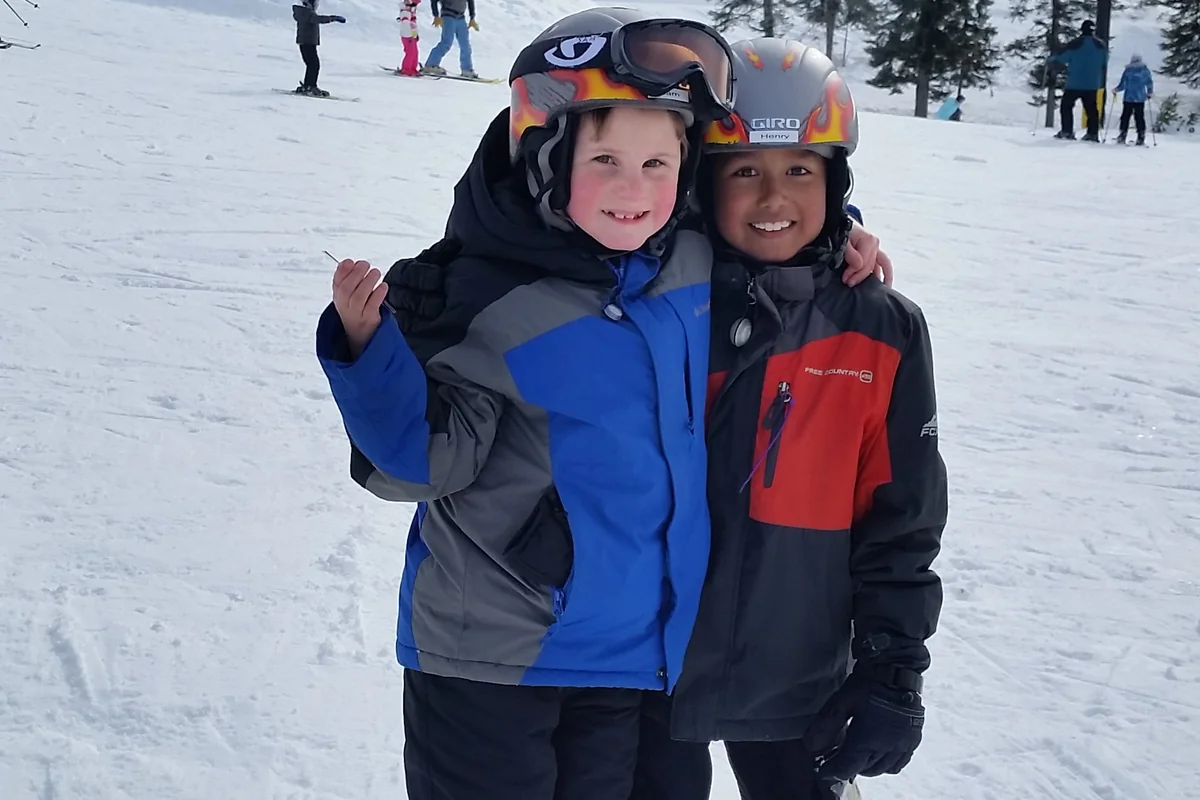
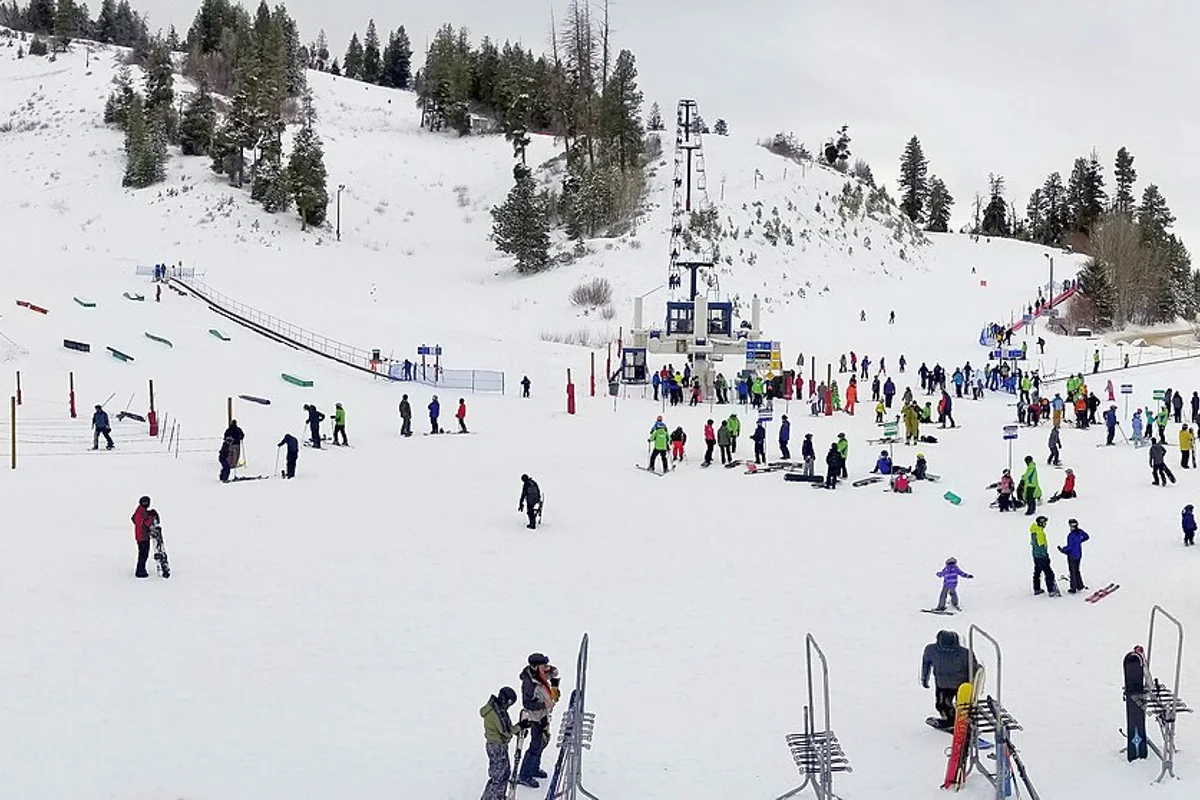
Begin with the learning area and an instructor rather than a summit objective. The resort lists Discovery Chair and the Mutton Buster Magic Carpet among its lifts, as well as a sports school and equipment rentals. Ask the school which meeting point and learning product fit each participant’s age and experience. A lesson reservation, rental reservation and lift product are different pieces of the plan; verify what a package includes.
For a mixed group, agree on a meeting location before separating. A confident skier’s idea of an easy warm-up may not match a new skier’s ability. Keep the beginner’s first session independent of the rest of the group’s urge to explore, and build in a warm break before fatigue makes stopping and turning harder.
Intermediate skiers
The published 45 percent more-difficult terrain gives intermediates a meaningful reason to look closely at Tamarack. Study the current grooming report alongside the map, then build a progression from comfortable runs to longer descents. A blue symbol is relative to this mountain, not a standardized guarantee of pitch or surface quality across Idaho.
The resort names Bliss as its longest run in the winter fact sheet. Rather than choosing a route solely for length, check how it connects with the lifts and your return to the base. Take the first descent slowly enough to learn junctions, and avoid following someone into an unfamiliar branch just to keep the group together.
Advanced skiers
The official terrain breakdown includes a substantial most-difficult component and identifies glades and natural tree skiing. That is an invitation to study the open-terrain map, not to assume every wooded slope is a managed run. Respect closures and boundary signs, keep partners in sight, and recognize that tree wells and concealed obstacles remain hazards even near lifts.
Do not extend a resort itinerary into uncontrolled terrain simply because tracks lead that way. Lift access does not make adjacent backcountry safe. If the day’s visibility or snow surface does not suit your skills, choosing a groomed route is a better decision than trying to complete a predetermined checklist.
Understanding the lifts before your first run
Tamarack Express, Summit Express and Wildwood Express are the three high-speed quads in the official fact sheet. Buttercup and Discovery are the fixed-grip quads; Rock Creek is a Poma surface lift. The seventh lift is the Mutton Buster carpet. Familiarity with these names helps when reading a closure update or arranging a meeting.
Do not confuse published lift infrastructure with a daily operating promise. Before leaving your lodging, look at which lifts and return routes are actually available. If your group splits between learning terrain and the upper mountain, identify a common base meeting point rather than relying on everyone reaching the same chair at a particular time.
Where to stay for a Tamarack ski trip
The resort’s official lodging inventory includes condos, chalets, cottages and estate homes. The useful distinction is location and layout, not the label alone. Before booking, look at the exact unit on a map, the route to the relevant lift or lesson meeting point, sleeping arrangements, kitchen facilities and parking instructions. A resort address does not automatically mean the door opens onto a ski run.
Staying on property suits groups that want to minimize driving between skiing, meals and rest time. Donnelly is another area to investigate if your priorities extend beyond the village. McCall offers a different town base for a broader regional trip; compare the extra driving with your actual dinner and rest-day plans, rather than assuming a larger town is always more convenient.
For any vacation rental, read the individual cancellation terms and access instructions. Verify whether amenities advertised for the development apply to that specific booking. If someone in your party will not ski, make sure the property works for an independent day instead of requiring that person to accompany every mountain errand.
Rentals, lessons and lift tickets
The resort advertises downhill ski and snowboard rentals, gear tuning and repair, and a sports school. Arrange these directly through the resort’s current booking system. Inventory, arrival procedures and lesson groupings can change, especially around school breaks. Choose equipment appropriate to the skier’s ability rather than the most aggressive option on the rental list.
This guide does not quote a fixed lift-ticket price or promise access through a particular pass. Check the exact date, age category, reservation requirement and restrictions in the resort’s current terms. For a family, compare the complete cost of lift access, equipment and instruction before deciding between a single ski day and a longer stay.
Getting there in winter
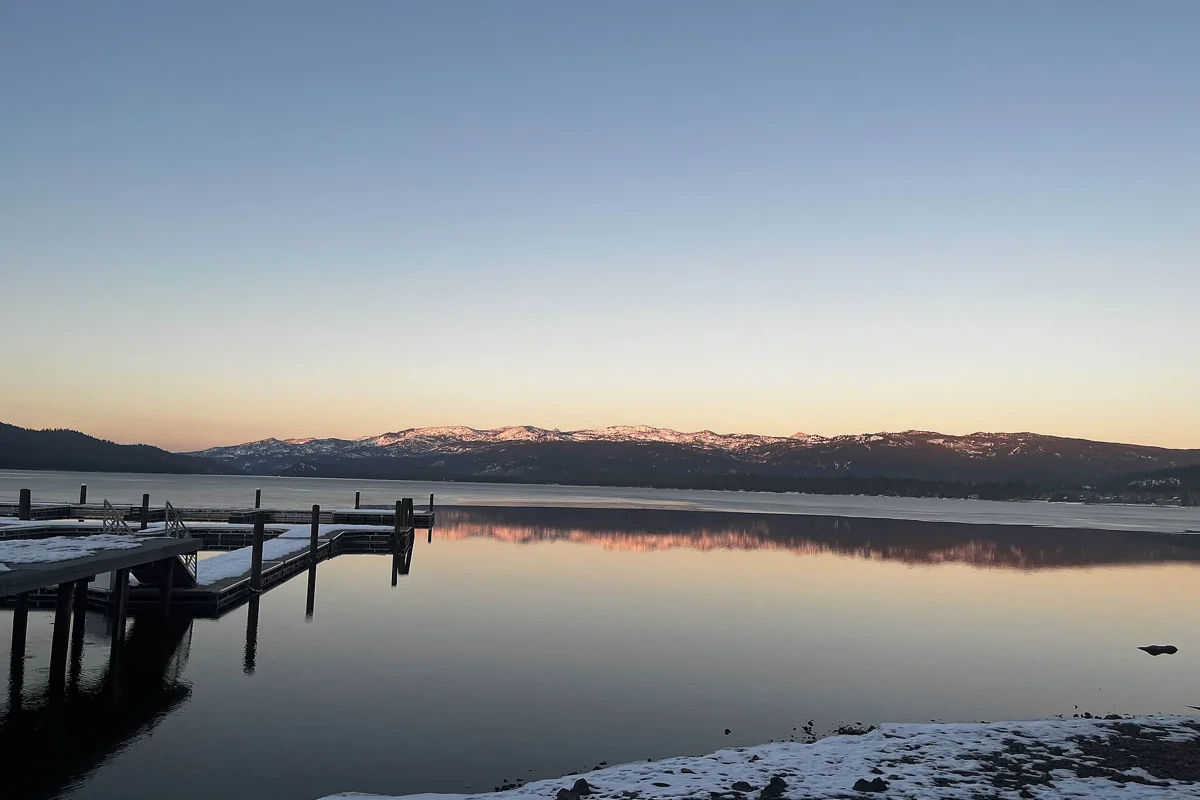
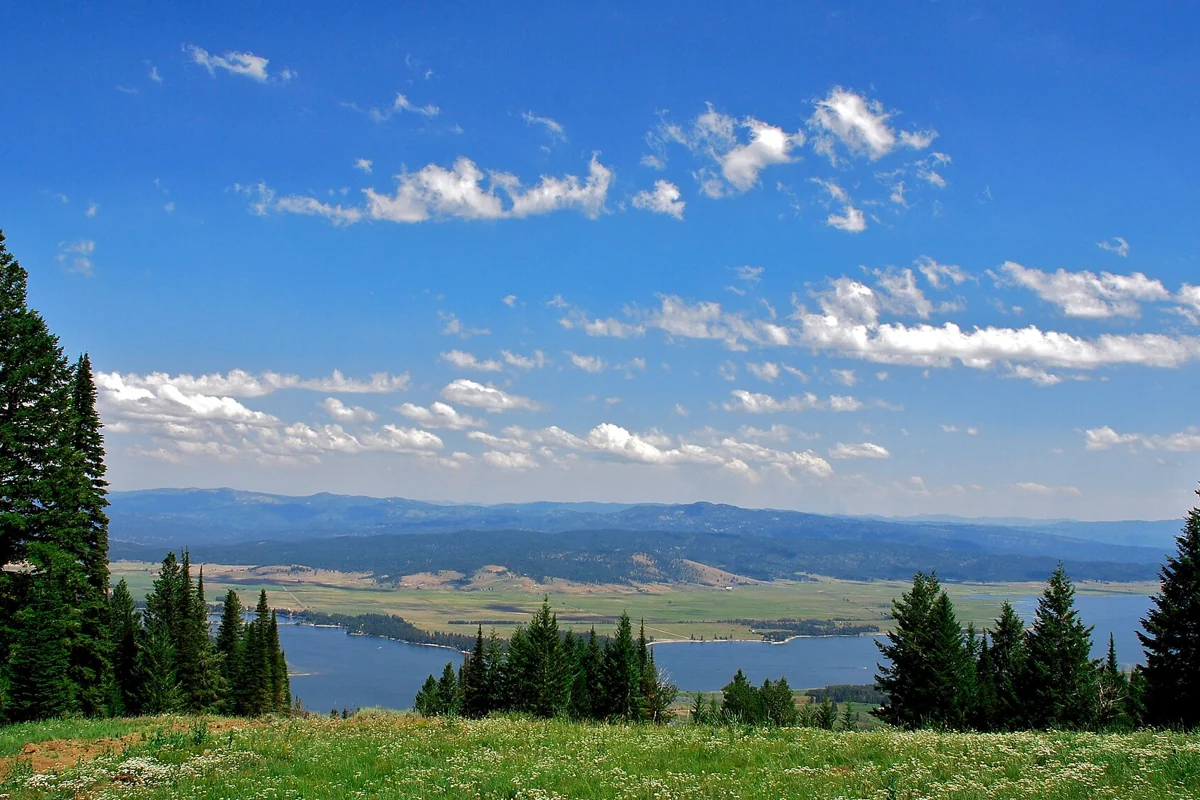
Tamarack sits southwest of Donnelly in Valley County, overlooking the Lake Cascade area. Review the resort’s arrival instructions for your lodging or day-use destination, and check Idaho 511 before setting out. Do not let a navigation app’s estimated arrival time become a reason to hurry on snow-covered roads.
Carry winter supplies, keep fuel margins comfortable and leave time to unload before a lesson. Confirm parking and overnight vehicle arrangements with your accommodation; a parking assumption can complicate an otherwise well-planned morning. Travelers unfamiliar with winter mountain driving should make the transport decision before booking nonrefundable activities.
What can non-skiers do?
The official winter fact sheet includes Nordic trails for classic and skate skiing, snowshoeing and fat-tire biking, along with a spa, wellness classes and indoor golf simulator. These are separate activities with their own availability and booking requirements. Check the current offering rather than promising a companion that every listed activity will operate on the same day.
A rest day can also be deliberately simple: breakfast, a village walk where conditions allow and time indoors. If your group is returning in another season, the Cascade summer guide and Lake Cascade State Park guide explain the wider area without confusing summer access with winter operations.
A workable first-day plan
- Check the resort’s current mountain report and Idaho road conditions before departure.
- Collect equipment and find lesson meeting points before committing to a lift queue.
- Use the first run to assess the surface, visibility and everyone’s comfort level.
- Meet for a break before the least-experienced skier becomes exhausted.
- Finish with an open route everyone can manage, then adjust the next day’s ambitions.
Tamarack works best when the mountain and lodging decisions support each other. Prioritize suitable terrain, realistic winter access and time together off the slopes. Those choices matter more than trying to cover every lift or matching another group’s idea of a full ski day.
Questions before you go
How much vertical does Tamarack Resort have?
The resort’s March 2026 winter fact sheet lists 2,800 feet, from a 4,900-foot base to a 7,700-foot summit.
Is Tamarack only for advanced skiers?
No. The resort lists learning facilities and a terrain mix of 17 percent easiest, 45 percent more difficult and 38 percent most difficult. Check the current open terrain and arrange instruction when needed.