⌁ Ski report
Snow depth at the nearest SNOTEL station (Lookout, 5,180 ft) — not the resort’s reported base. 4 in snow depth. Observation: 2026-11-18. +0 in / 24h (depth change, not snowfall).
NRCS station snow depth, not resort base. Check resort reports before traveling.
7-day weather forecast
National Weather Service · Updated 2026-11-19T18:47:24+00:00. Forecasts can change quickly in the mountains.
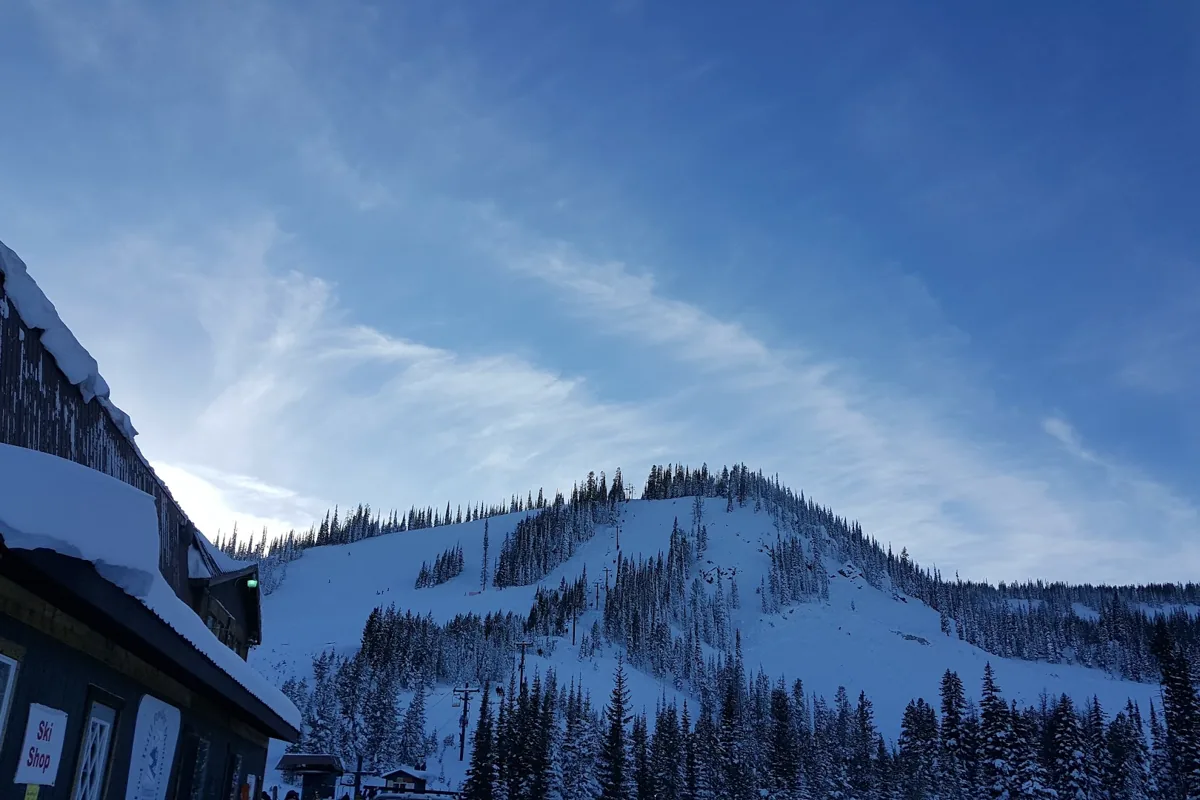
Lookout Pass is a downhill ski area on the Idaho–Montana border with 1,023 skiable acres, five chairlifts and direct access from Interstate 90. It suits a Silver Valley ski trip where the priority is time on snow rather than a large resort village. Beginners can book instruction, while confident skiers have intermediate and advanced terrain extending onto Eagle Peak.
The most important planning details are easy to miss: the ski area uses Pacific time, the lowest lift-served base differs from the main arrival area, and advertised terrain is not the same as terrain open today. Use this guide alongside the resort's daily report, then compare other mountains in our Idaho skiing guide.
Where is Lookout Pass?
The ski area sits beside I-90 at the state line, reached via Exit 0. The resort's official directions describe the parking area just beyond the off-ramp. This interstate approach makes Lookout a straightforward mountain to locate, but it is still a winter mountain-pass drive. Snow, poor visibility and vehicle restrictions can affect the trip even when valley streets look clear.
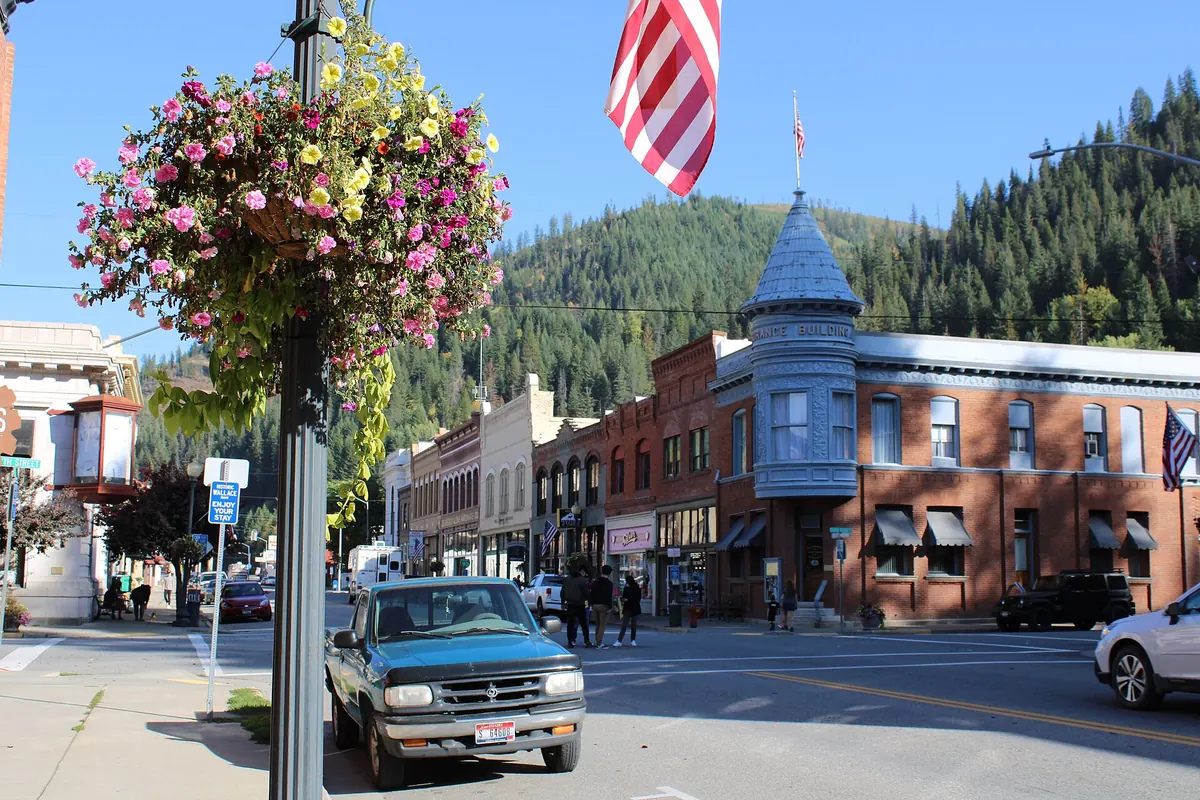
Mullan is the nearby Idaho community, with Wallace farther west in the Silver Valley. The resort lists Wallace at 12 miles and Kellogg at 22 miles; those are published driving distances, not travel-time promises. Read our Wallace town guide when deciding where to sleep or spend a nonskiing afternoon. Leave room in the schedule for weather rather than treating a mapping app's estimate as a deadline.
Mountain statistics and what they mean
The official trail-map page lists a 4,500-foot base, a 6,150-foot summit and 1,650 feet of vertical. Its explanation places that full vertical between Eagle Peak's summit and the base of Chair 2. In other words, the base number does not describe every parking-lot or lodge elevation. That distinction matters when comparing Lookout with mountains whose statistics use a different part of the lift network.
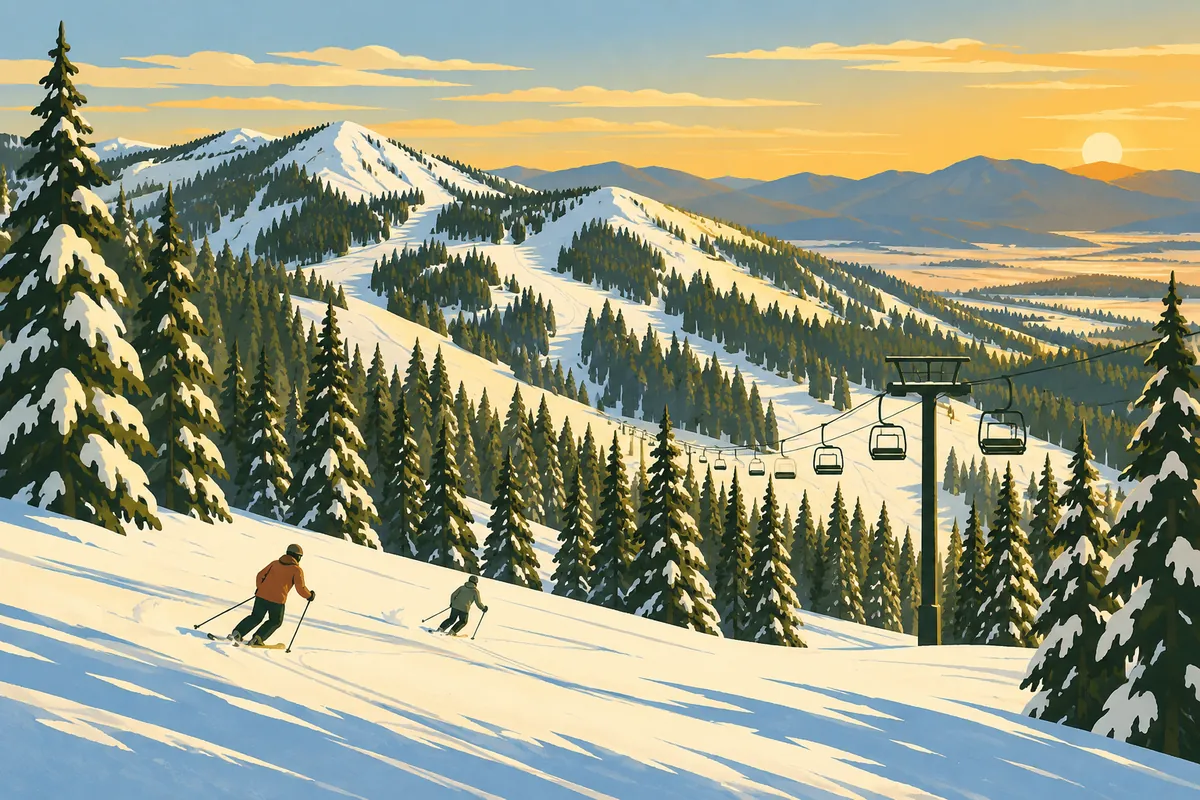
The five-chair system includes the Eagle Peak Quad, Peak 1 Quad, Timberwolf Triple, Success Triple and Northstar Double. The resort describes its terrain mix as roughly 14 percent easiest, 42 percent intermediate, 42 percent advanced and 2 percent expert. Those percentages are useful for understanding the overall mountain, not for choosing a specific run without looking at its signs and current surface conditions.
Official pages use different trail totals and group glades and parks differently. Rather than give a misleading single count, this guide emphasizes acreage, vertical and the current trail map. Download the official Lookout Pass trail map before arrival and identify the lifts and return routes that match your group's ability.
Is Lookout Pass good for beginners?
Lookout has a snowsports school offering group and private instruction for skiers and snowboarders. For a first visit, a lesson is more useful than following an experienced friend onto whatever lift is closest. Tell the school whether you are a complete beginner, returning after a long break or comfortable only on easy groomers, and let the instructor place you appropriately.
The official first-time guide recommends advance registration and allowing time for rental registration and fitting. Build that process into your arrival plan; a lesson start time is not a parking-lot arrival time. Confirm the package contents before buying, because instruction, lift access and equipment are not automatically bundled in every program.
Parents should check age eligibility and meeting instructions directly with the school. For a mixed family group, choose a meeting place at the base and agree on it before separating. Keep the first outing short enough that a tired learner can finish comfortably instead of feeling obliged to stay out until everyone else is done.
Intermediate terrain and Eagle Peak
For progressing skiers, Lookout's substantial intermediate share is a reason to study the map rather than assume it is only a beginner mountain. Start with an open groomed route that feels conservative, assess visibility and snow texture, and then expand the day. A blue run after fresh snow can ask for different skills than the same run after grooming.
Eagle Peak is central to the modern mountain layout. The resort says its expansion brought the skiable area to 1,023 acres and extended the vertical to 1,650 feet. That is meaningful additional terrain, but an open front side does not guarantee every Eagle Peak route or lift is operating. Read the status board and ask staff about connections before heading toward an unfamiliar sector.
Set a return plan before the final part of the afternoon. Different chairs can close at different times, and a route that worked at lunch may no longer be available late in the day. Follow posted closures and patrol instructions; a map line is not permission to enter closed terrain.
Powder days, visibility and tree terrain
Lookout markets heavy natural snowfall, but an annual snowfall average cannot predict the snow on your visit. Recent snowfall, temperature, wind and which runs patrol has opened are much better day-of indicators. Check the daily report instead of booking around a promise of powder.
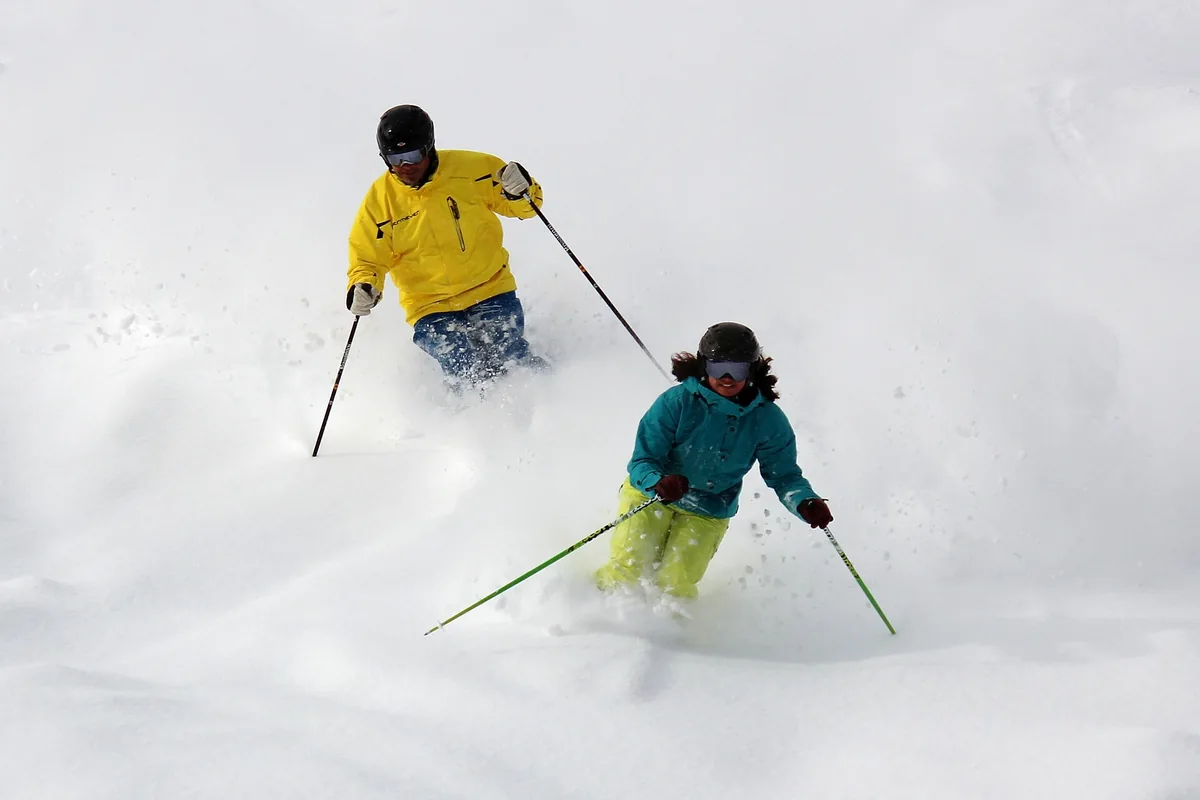
Ungroomed slopes and glades require more than the ability to get down an intermediate groomer. Ski within your control, travel with a partner in tree terrain and keep that partner in sight. Deep snow can create serious immersion hazards around trees. Do not duck ropes or assume tracks leading away from a marked route indicate a safe or authorized shortcut.
Tickets, rentals and operating hours
The resort publishes its winter schedule in Pacific time, despite its border location. This is especially important when traveling from Montana: confirm the local time for your lesson, rental pickup and lift opening rather than relying on an automatically changing phone clock. Lift hours also vary by season, holidays, weather and individual chair.
Use the official operating calendar and the daily snow report for your date. This guide intentionally does not reproduce a fixed opening day, closing day or ticket price. Check ticket options, age categories, cancellation terms and what equipment is included before purchasing. If your trip depends on one particular chair, verify that chair rather than simply checking whether the resort is open.
Where to stay for a Lookout Pass trip
For a ski-focused visit, look at Mullan and Wallace first, then compare Kellogg if you want to combine Lookout with another mountain. Choose lodging by the drive you are prepared to make on a snowy morning, parking arrangements and cancellation flexibility. Do not assume that a property described as near the mountain offers ski-in access or a shuttle.
A multi-mountain itinerary can pair Lookout with Silver Mountain, while Schweitzer belongs to a different north Idaho base strategy around Sandpoint. Compare geography before reserving consecutive days: moving hotels may make more sense than repeatedly crossing the region. Our Idaho ski resort comparison can help you choose by terrain and trip style.
A workable first-day plan
- Before leaving, review the highway forecast, current resort report and Pacific-time schedule. Save the trail map offline.
- Arrive with enough margin for boots, tickets and rentals rather than scheduling the first lift as your first task.
- Use the morning to learn the lift layout on terrain below your limit. Reassess when snow or visibility changes.
- Keep a base-area meeting point for mixed abilities and a separate plan for anyone ending early.
- Check final lift times before exploring another sector, then allow an unhurried drive back through the pass.
This approach leaves room for what makes a ski day work: suitable terrain, realistic energy levels and decisions based on actual conditions. Lookout's border setting and compact arrival area make the logistics approachable, but the mountain still deserves the same preparation as a longer winter trip.
Questions before you go
Is Lookout Pass in Idaho or Montana?
The ski area straddles the Idaho–Montana border beside Interstate 90, reached at Exit 0.
What time zone does Lookout Pass use?
The resort publishes its winter operating schedule in Pacific time. Check the daily report for the schedule on your visit.
How big is Lookout Pass?
The resort lists 1,023 skiable acres, 1,650 feet of vertical and five chairlifts.